
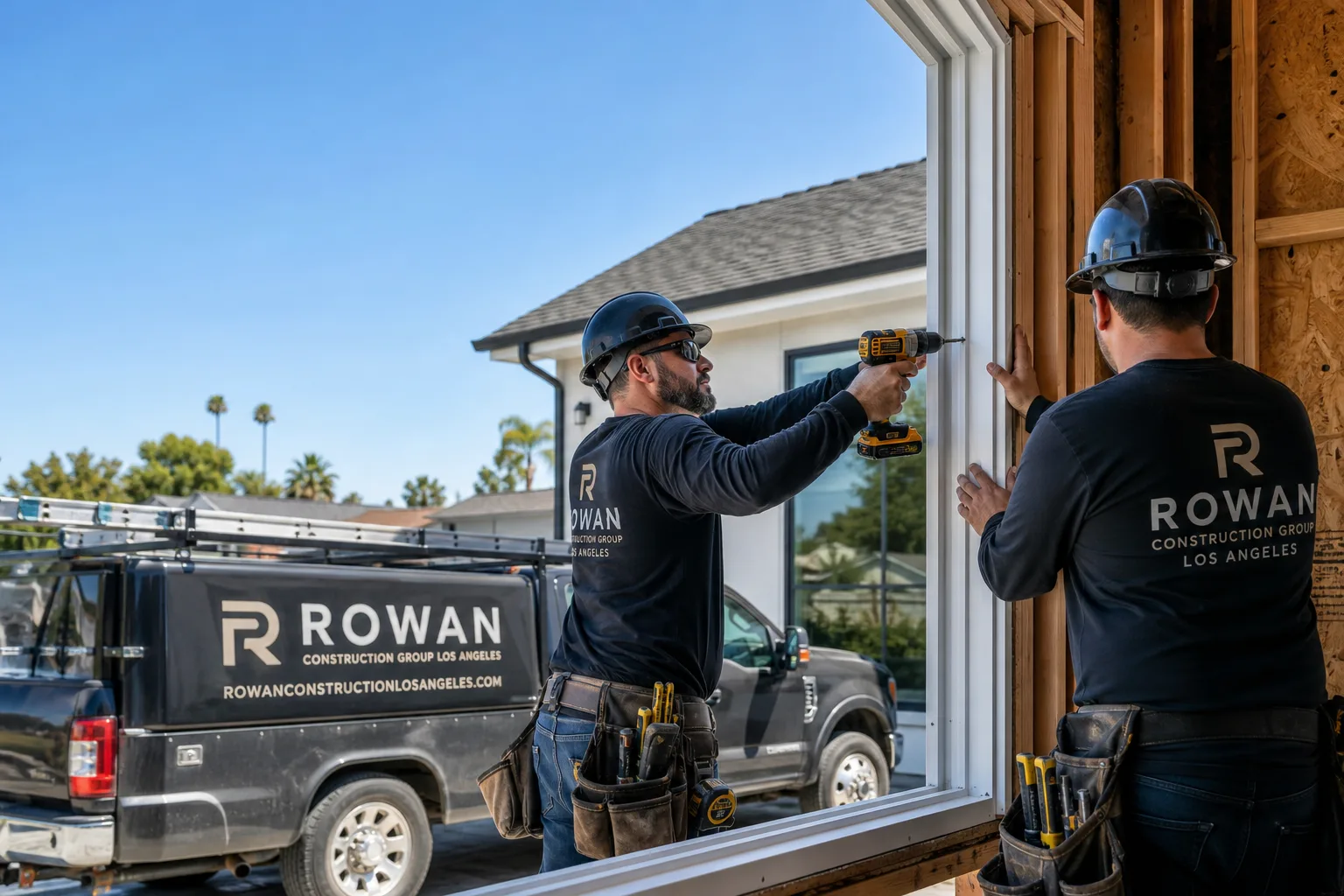
Free written scope consultation - allowances, timeline, and change-order rules on paper before a single trade is scheduled
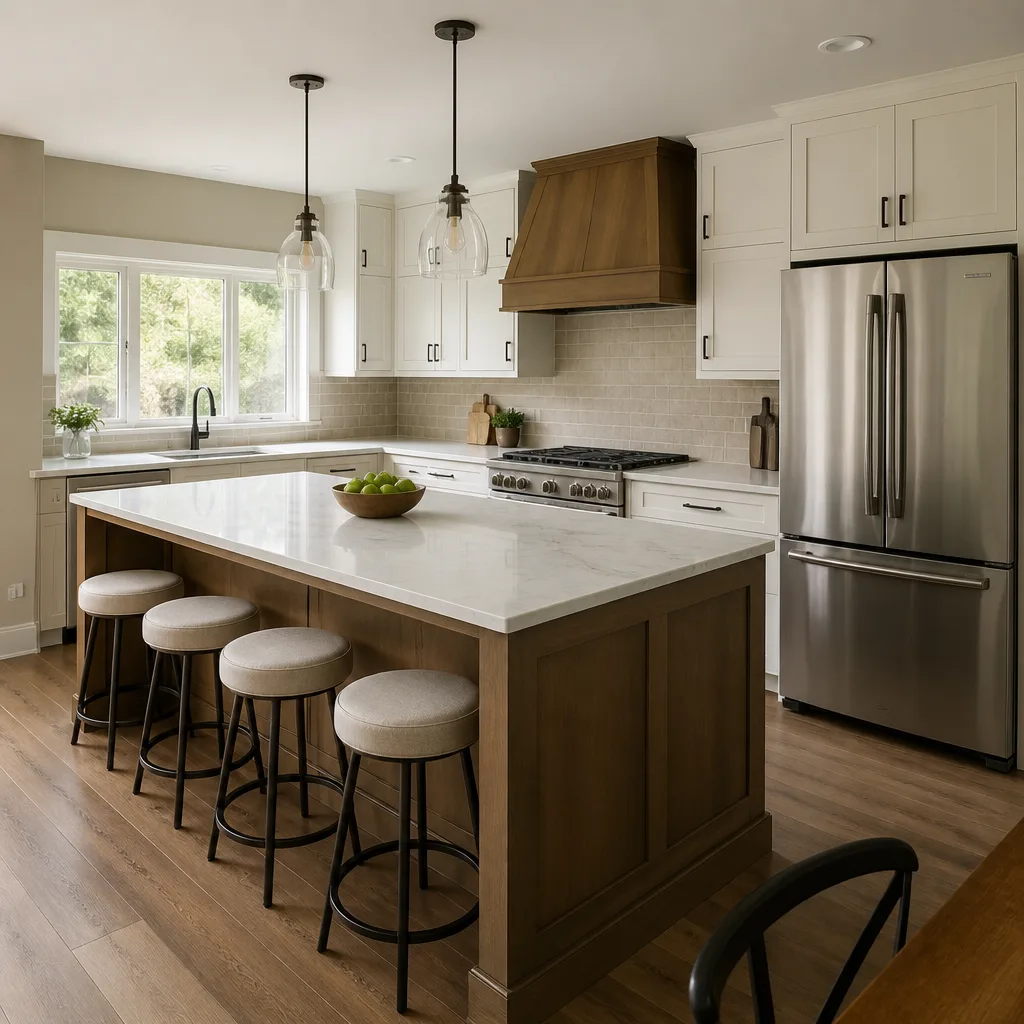
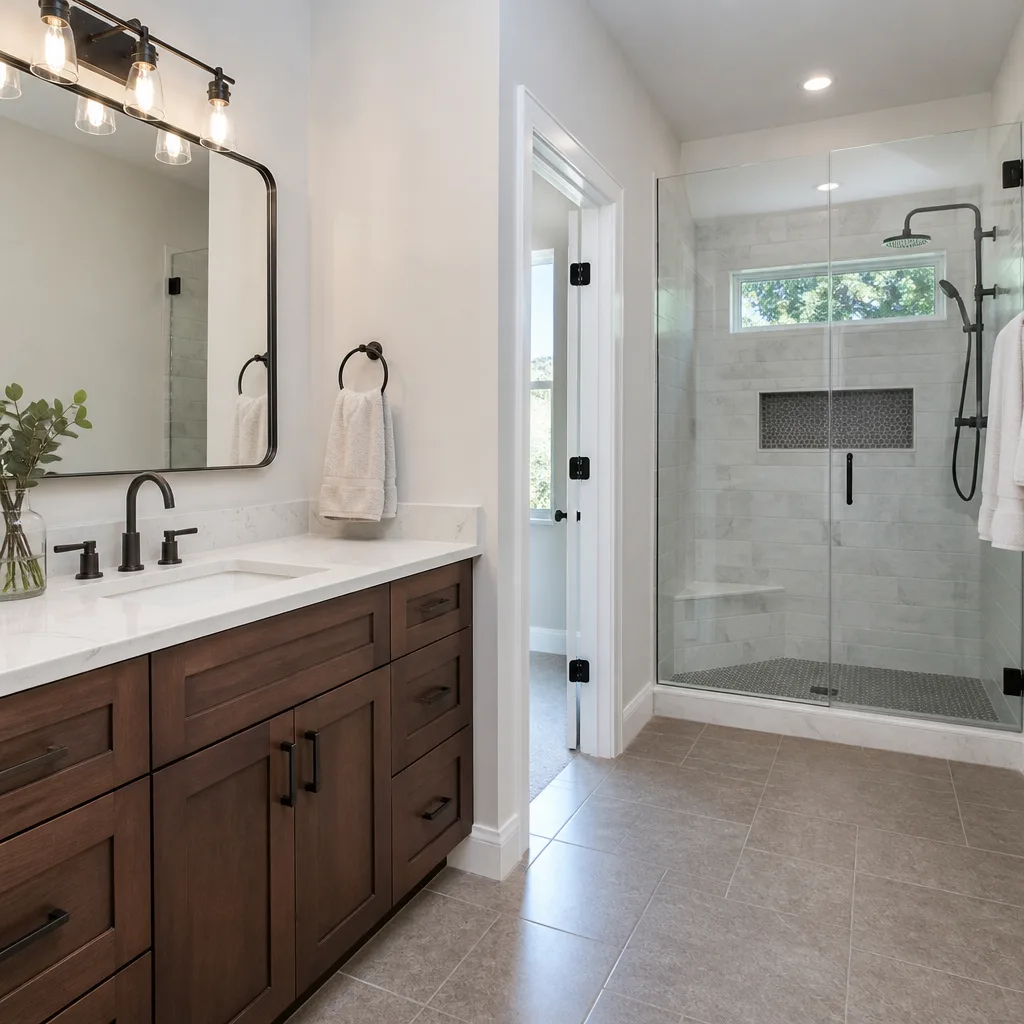
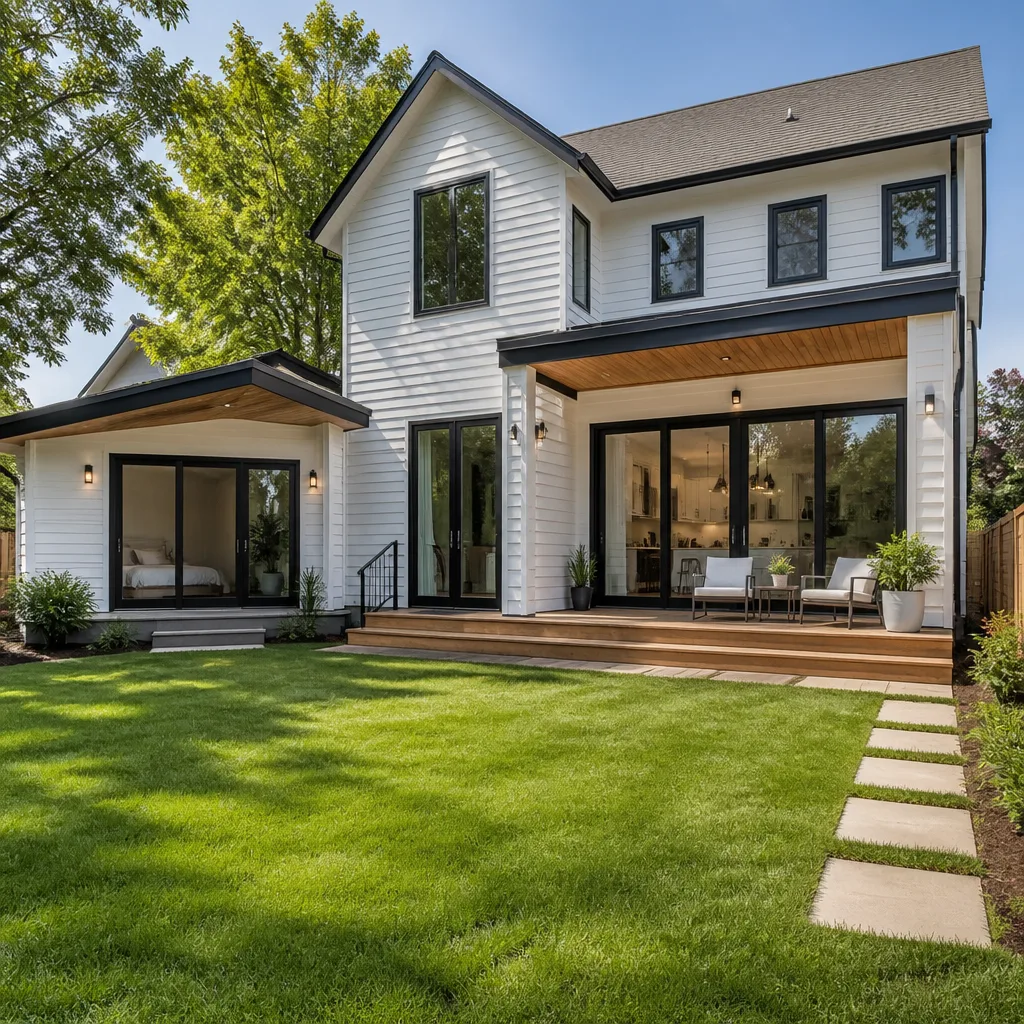

 Before
 After
After Before
 After
After Before
 After
AfterHow Much Does a Tub-to-Shower Conversion Cost in Los Angeles?
A tub-to-shower conversion in Los Angeles typically costs between $4,130 and $11,800, depending on the shower size, materials selected, and the condition of the existing plumbing and subfloor. Most Los Angeles homeowners land somewhere in the $5,500 to $8,000 range for a mid-grade walk-in shower with a tiled surround, a quality valve, and a new drain. If your existing tub footprint is standard and the framing is clean, the project is usually done within three to five days.
Tub-to-Shower Conversion Cost Breakdown (2026)
A tub-to-shower conversion in Los Angeles is not a single line item – it is eight to twelve separate scopes of work that each carry their own labor and material cost. The table below shows what each phase typically runs in the current Los Angeles market.
| Scope of Work | Typical Los Angeles Cost Range |
|---|---|
| Tub removal and disposal | $200 – $450 |
| Plumbing rough-in modifications (valve, drain, supply lines) | $650 – $1,800 |
| Shower pan / base (acrylic or mortar bed) | $400 – $1,200 |
| Waterproofing membrane (Schluter Kerdi, Wedi, or liquid-applied) | $300 – $700 |
| Wall surround – tile (ceramic, porcelain, or stone) | $900 – $2,800 |
| Wall surround – prefab acrylic panel alternative | $400 – $1,100 |
| Glass enclosure or frameless door | $650 – $2,200 |
| Fixtures (valve, showerhead, hand shower, trim kit) | $250 – $900 |
| Niche or built-in shelving | $200 – $550 |
| Drywall / cement board repair and finishing | $180 – $500 |
| Floor tile or pan tile (if replacing existing floor section) | $300 – $850 |
| Permits (City of Los Angeles Building and Safety) | $175 – $600 |
The numbers above assume a standard 30×60-inch tub alcove being converted to a shower of the same footprint – the most common scenario we see in Brentwood bungalows, Silver Lake Craftsmans, and mid-century tract homes throughout the San Fernando Valley. If you want to expand the footprint beyond the original tub opening, or if you are going into a bathroom that has never had a shower at all, expect the plumbing rough-in and framing costs to push toward the higher end. Subfloor rot – not unusual in older homes near the coast in areas like Mar Vista or Playa del Rey – can add $400 to $900 in remediation before tile work can begin.
At the low end of the $4,130 to $11,800 range, you are typically looking at a clean alcove with solid framing, an acrylic pan, a prefab surround, and standard fixtures from a mid-grade line like Kohler Devonshire or Moen Magnetix. At the high end, you are looking at a custom tiled shower with a Schluter Kerdi waterproofing system, a frameless glass enclosure, a Kohler DTV or similar thermostatic valve, and possibly a floor expansion or bench addition.
What Affects Tub-to-Shower Conversion Pricing in Los Angeles
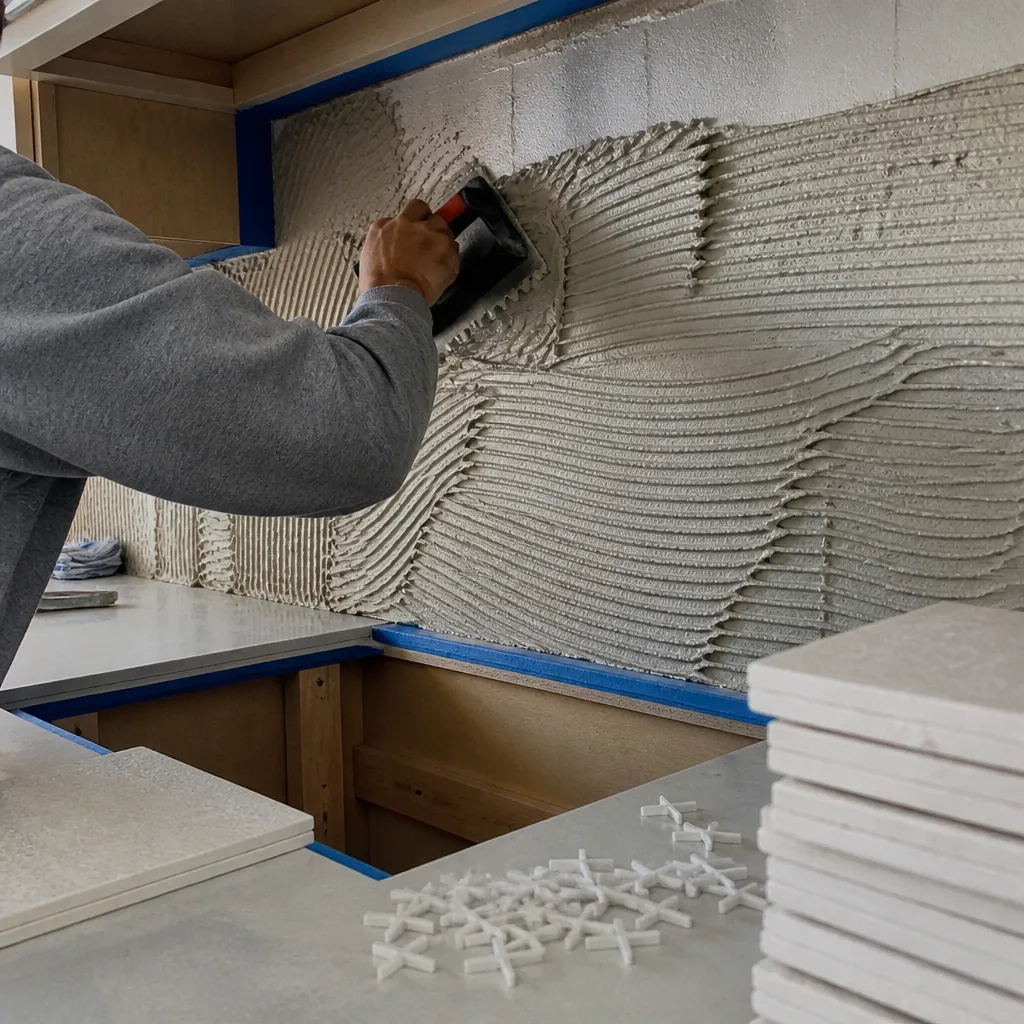
- Condition of the existing subfloor and framing. Los Angeles homes built before 1970 – especially in neighborhoods like Echo Park, Highland Park, and parts of the Eastside – frequently have subfloor moisture damage directly under the tub that only becomes visible once the tub is out. A compromised subfloor requires sistering the joists or replacing the plywood layer before any waterproofing can go down. This adds cost, but skipping it guarantees a callback. Under our signed change order process, any subfloor work is documented and priced separately before we touch it – you approve the number in writing before we proceed.
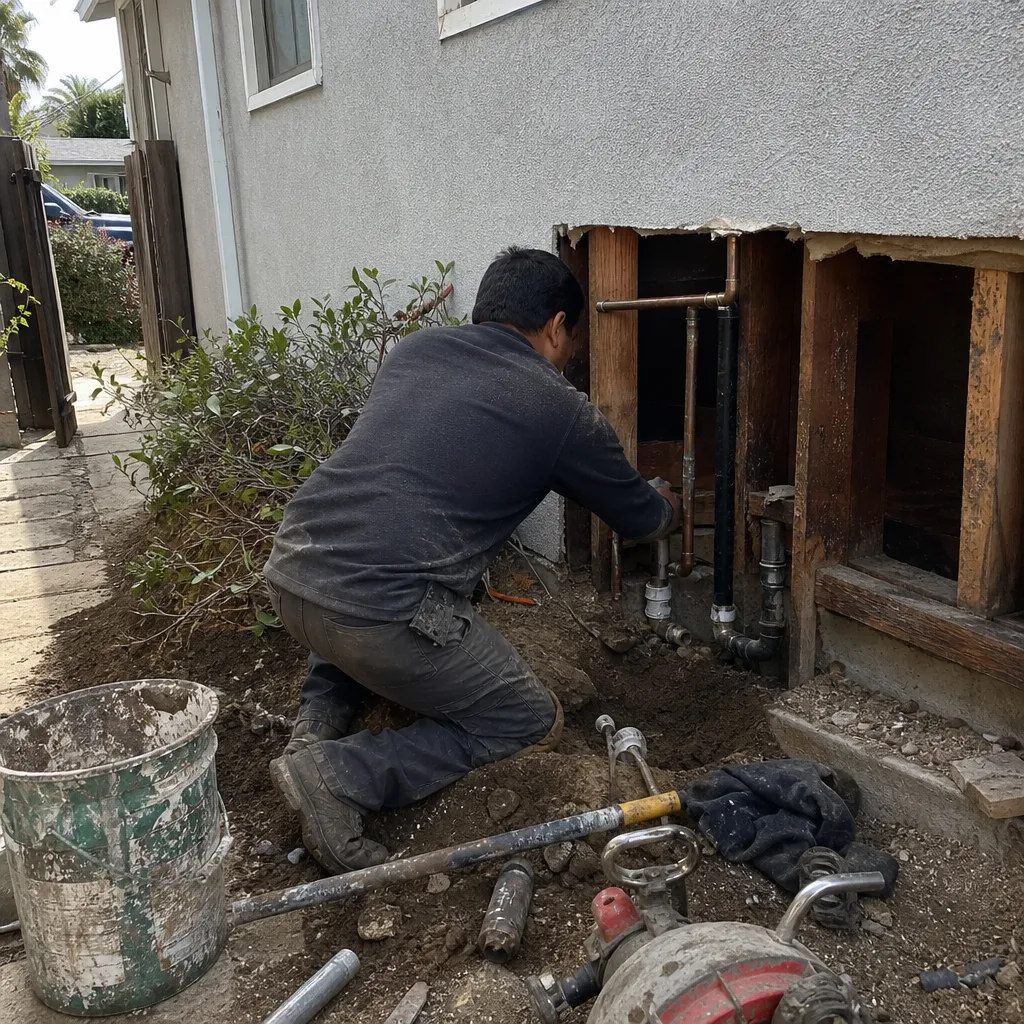
- Plumbing relocation requirements. If the existing tub’s valve and drain positions do not align with a logical shower layout, the supply lines and drain need to move. In a first-floor bathroom with crawl space access – common in Hancock Park and parts of Pasadena – this is a manageable half-day of work. In a slab-on-grade bathroom, which describes a significant share of post-1960 construction in the Valley and South Bay, cutting the slab adds time and cost. Expect $800 to $1,500 more in that scenario.
- Tile selection and complexity. Ceramic tile at $2 to $4 per square foot and porcelain at $4 to $9 per square foot produce very different material costs on a 60-square-foot surround. Large-format tiles (12×24 or bigger) require back-buttering and sometimes a flatter substrate, which adds labor. Natural stone like marble or travertine demands a sealer application and more precise cuts, both of which add time. We source through over fifty vetted brands and can show you the price difference between options before you commit.
- Glass enclosure type. A basic framed sliding door sits at the low end – functional and durable. A semi-frameless bypass door steps up in cost and appearance. A fully frameless hinged glass panel, which is what most homeowners in West Hollywood, Santa Monica, and Bel Air tend to choose when they are investing in a primary bath, uses thicker glass (3/8 to 1/2 inch) and precision hardware that costs more to fabricate and install. That difference alone can shift the enclosure line from $650 to $2,200.
- Fixture grade and features. A standard pressure-balance valve with a single showerhead is the baseline. A thermostatic valve with a separate volume control, a rainfall head, a hand shower, and body sprays is a different project. Brands like Kohler, Toto, and Moen all have lines spanning both price points, and the fixture selection alone can swing the total cost by $1,000 or more.
- Permits and inspections in the City of LA. The City of Los Angeles Building and Safety Department requires permits for work involving plumbing changes – any time you are moving a valve or a drain, that is a permitted scope. Permit fees typically run $175 to $600 depending on the declared value of the work. Pulling the permit means a rough plumbing inspection before the walls close, which is the correct way to do this work. Skipping the permit to save $300 is a liability at resale and on a homeowner’s insurance claim – and it voids our workmanship warranty.
 Before
 After
AfterHow to Save on a Tub-to-Shower Conversion in Los Angeles
The most reliable way to control cost on a conversion is to get the written scope right before anyone swings a demo hammer. A vague verbal estimate almost always grows once the wall opens. Our process – a flat written price and written scope before work starts, every time, on every job – exists specifically to prevent that. It is Clause 1 of the Haven Standard, and it is why Rowan Construction Group has delivered 4,000-plus projects within a few percent of the agreed number since 2007.
Beyond that, here are the practical levers that genuinely move the price:
- Keep the footprint. Converting within the existing tub alcove avoids any framing, waterproofing expansion, or floor tile replacement outside that zone. The moment you want to expand – even by six inches – you are in a different scope category. If the existing 30×60 alcove works for your household, keeping those dimensions is the single biggest cost control available.
- Choose a mortar-bed pan or a quality prefab base instead of full custom tile floors. A tiled shower floor looks clean, but it is also the most labor-intensive surface in the room. A solid prefab acrylic or solid-surface base is watertight, easy to clean, and meaningfully less expensive. Many of the conversions we do in Culver City and the South Bay use an acrylic pan with a tiled surround – the visual result is good and the price is honest.
- Select tile in the 12×12 or 12×24 range, and keep the pattern simple. Diagonal layouts, intricate mosaics, and herringbone patterns require more cuts and more labor time. A straight-stack or offset brick pattern in a mid-format tile is the most efficient application. If you want a feature wall or a niche with a mosaic accent, focus that detail in one place rather than running it across the full surround.
- Get a free second opinion on any written estimate you already have. Rowan offers a free second opinion on any competitor’s written quote – we will go through it line by line at no charge. Bring us the scope and the number, and we will tell you exactly what we see. Call (213) 652-7670 to set that up.
- Time the project to avoid peak season. Like most trades in Los Angeles, bathroom remodeling books up in spring and early summer when homeowners are finishing their plans and contractors are filling schedules. Scheduling in late fall or winter typically means faster availability and, occasionally, better material lead times on glass and fixtures.
- Bundle trades when it makes sense. If your bathroom also needs a vanity or a floor tile refresh, doing the work in a single mobilization saves on setup, protection, and cleanup costs compared to two separate projects. Our Tub-to-Shower Conversion in Los Angeles service page walks through how we scope combined bathroom projects, and our bathroom remodeling team handles the full range from $10,620 for a small remodel up to $33,040 for a full primary bath transformation.
Free estimates are available – call (213) 652-7670 and a live person will answer. You will have a written price in hand before we ask you to decide anything.
What the Conversion Process Actually Looks Like, Day by Day
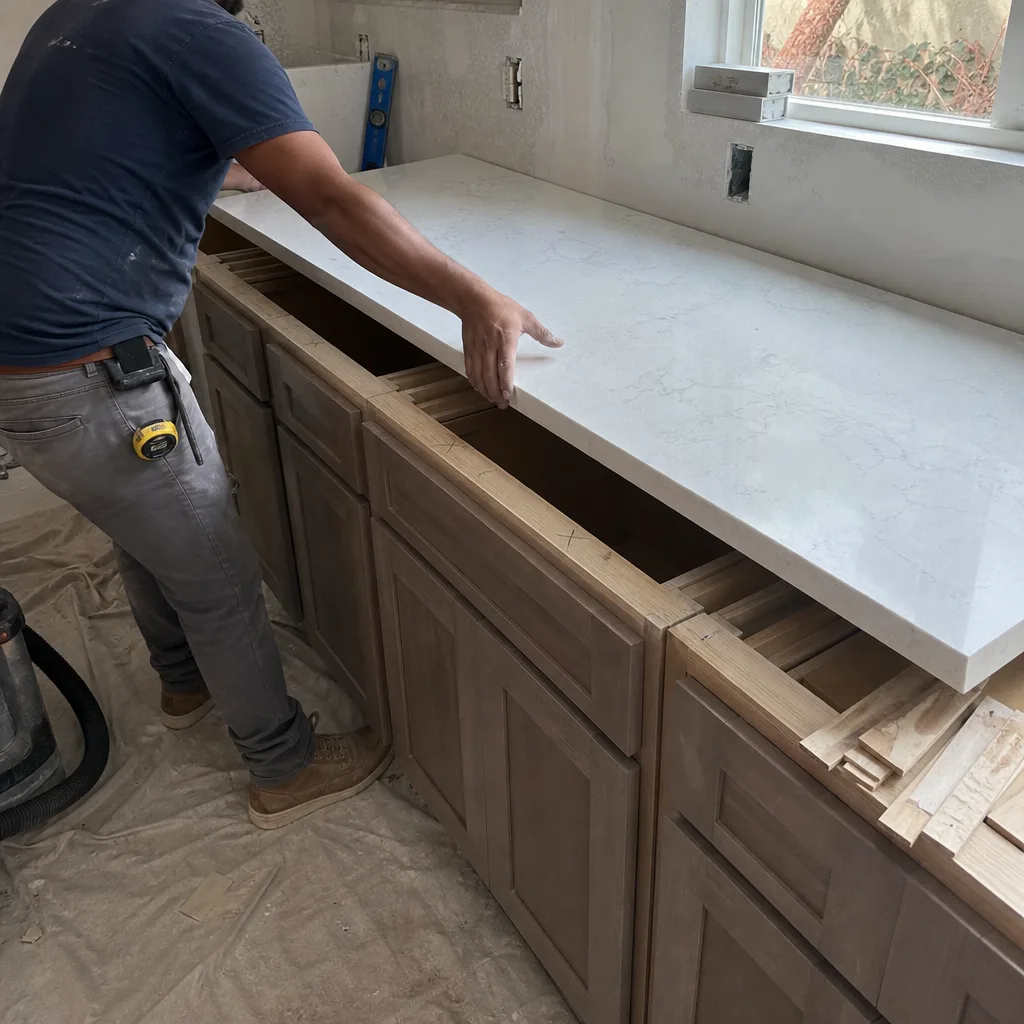
Knowing what happens on your property – and in what order – helps you plan and helps you spot a crew that is cutting corners. Here is the typical sequence on a standard Los Angeles tub-to-shower conversion.
Day 1: Demo and Inspection
The tub comes out first. Cast iron tubs – common in older Hancock Park and Los Feliz homes – are heavy and need to be cut into sections for removal. Fiberglass and acrylic units come out intact. Once the tub is clear, we document the subfloor condition, the framing, and the existing plumbing supply and drain positions with photos. That photo record is included as a standard deliverable on every Rowan project – not an upgrade, not an option. If the subfloor is compromised, that is when we present the written change order for your approval before any remediation begins.
Day 2: Rough Plumbing and Waterproofing
The plumber sets the new valve location, the drain, and any supply modifications needed for the shower head position. After rough plumbing is inspected – yes, the permit inspection happens at this stage – cement board or a waterproof backer goes up on the walls. We apply the waterproofing membrane (Schluter Kerdi is our preferred system for tiled showers; it is a sheet-applied membrane bonded directly to the backer, which eliminates the air gap that allows mold to colonize) and flood-test the pan before any tile is set.
Days 3-4: Tile and Setting
Tile goes on the walls and floor in sequence. Grout follows after the appropriate cure time – rushing this step is where hairline cracks and grout failure originate. Niches and built-in shelves are set during this phase. The tile scope is the most variable in time depending on pattern complexity and tile format.
Day 4-5: Fixtures and Glass
The valve trim, showerhead, and hand shower go in after tile. Glass enclosure installation is typically the last scope – it requires the tile and grout to be fully set and the walls to be plumb and square to within the glass fabricator’s tolerances. Frameless glass is fabricated to the exact opening dimensions, which is why we measure for glass after tile is complete, not before.
Final cleanup, a walk-through with the homeowner, and the photo record delivery close out the project.
Los Angeles-Specific Considerations Worth Knowing
A tub-to-shower conversion in Los Angeles is not identical to the same project in Phoenix or Denver. A few local factors affect how the work should be done.
Seismic Considerations
Los Angeles sits on an active fault system. Tile work in wet areas needs to be set with a flexible, polymer-modified thinset rather than a rigid adhesive mortar – rigid mortar cracks when the building moves. This is standard practice for any contractor working to current California code, but it is worth asking about explicitly if you are getting multiple quotes. Grout joints in a shower on a wood-framed floor should also be grouted with an unsanded grout or a urethane grout that accommodates minor movement without cracking out within the first year.
Water Quality and Conservation
LA’s water supply runs hard – calcium and magnesium deposits accumulate on fixtures and glass faster here than in most US cities. If you are investing in a frameless glass enclosure, a WaterSense-certified showerhead helps keep flow at a level the city supports, and a squeegee habit on the glass makes a real difference in how long the installation looks clean. We specify Kohler and Moen fixtures with flow rates that meet California Title 20 requirements as a baseline on every project.
Resale and ADU Context
In the current Los Angeles real estate market, removing the only tub in a home with young children or resale appeal to families is worth thinking through before you commit. If your home has a second bathroom with a tub, the conversion is a clear win. If the tub being removed is the only one in the property, a freestanding tub option in an adjacent space or a primary-bath tub-and-shower combination might serve you better long-term. We are happy to walk through that question with you before the project starts – no cost, no obligation, and no pressure to expand scope.
HOA Approval
If your property is in a condominium or a planned community with an HOA – common in Koreatown high-rises, Marina del Rey complexes, and newer Playa Vista developments – your HOA documents likely require written approval before interior plumbing modifications begin. Some HOAs in Los Angeles also require a licensed and insured contractor on file before access is granted. We carry the documentation you need and can provide it to your HOA in advance of the project start date.
FAQs: Tub-to-Shower Conversion Costs in Los Angeles
How much does a basic tub-to-shower conversion cost in Los Angeles?
A basic tub-to-shower conversion in Los Angeles starts at around $4,130 for a straightforward alcove conversion with an acrylic base, a prefab surround, and standard fixtures. That lower end assumes clean framing, no plumbing relocation, and no permit complications. Most projects with a tiled surround and a glass door land in the $5,500 to $8,000 range. Call (213) 652-7670 for a free written estimate specific to your bathroom’s layout and current condition.
How long does a tub-to-shower conversion take in Los Angeles?
Three to five business days is the typical timeline for a standard alcove conversion in Los Angeles. Day one is demo and inspection; day two is rough plumbing and waterproofing; days three and four are tile and setting; day five is fixtures and glass. Projects with slab-penetration plumbing work, large-format stone tile, or custom glass enclosures can run six to eight days. We give you a written timeline alongside the written price, so you know what to expect before anyone arrives.
Do you need a permit for a tub-to-shower conversion in Los Angeles?
Yes, in most cases. The City of Los Angeles Building and Safety Department requires a plumbing permit any time the valve or drain is relocated – which is the case on virtually every tub-to-shower conversion. Permit fees typically run $175 to $600 depending on declared project value. The permit triggers a rough plumbing inspection before walls close, which is the correct sequence. We pull the permit on your behalf as part of the project, and the inspection is included in our scope – not billed separately.
Is it cheaper to repair or replace a failing shower versus converting a tub?
A shower replacement in the Los Angeles market runs $3,540 to $10,030, and a full bathroom remodel runs $10,620 to $33,040. A tub-to-shower conversion at $4,130 to $11,800 sits roughly in the middle, and for most homeowners it represents the best value per square foot of usable bathroom space gained. If the existing shower has a compromised membrane or persistent leak, replacing it outright is usually more cost-effective than repeated repairs – tile repair in Los Angeles runs $470 to $2,125 and rarely addresses the underlying waterproofing. Call (213) 652-7670 and we will look at what you have and give you a written comparison.
Can Rowan Construction Group handle a tub-to-shower conversion and a vanity replacement at the same time?
Yes, and doing both in a single mobilization is usually more cost-efficient than scheduling them separately. Bathroom vanity installation in Los Angeles runs $945 to $3,540 depending on the vanity size and configuration. When both scopes are quoted together under a single written price and single signed contract, the setup, protection, and cleanup costs are shared across the project rather than duplicated. Our team manages both trades in-house. Grant Rowan and the Rowan Construction Group team have been doing combined bathroom projects in Los Angeles since 2007 – you will get one point of contact, one written price, and one documented record when the project closes.
Key Takeaways
- Tub-to-shower conversions in Los Angeles cost $4,130 to $11,800; most mid-grade projects land between $5,500 and $8,000.
- The biggest cost variables are subfloor condition, plumbing relocation (especially on slab-on-grade homes), tile selection, and glass enclosure type.
- City of LA permits are required when plumbing moves – budget $175 to $600 and allow for a rough plumbing inspection before walls close.
- Seismic flex in the LA building stock means flexible thinset and movement-tolerant grout are the correct spec, not optional upgrades.
- Rowan Construction Group provides a flat written price before any work starts, a signed change order for any scope additions, and a documented photo record on every visit – under the Haven Standard, not a handshake.
- The 365-Day Done Right Promise applies to every conversion: if it is not done right, we make it right.
Get a Written Price Before Anyone Picks Up a Tool
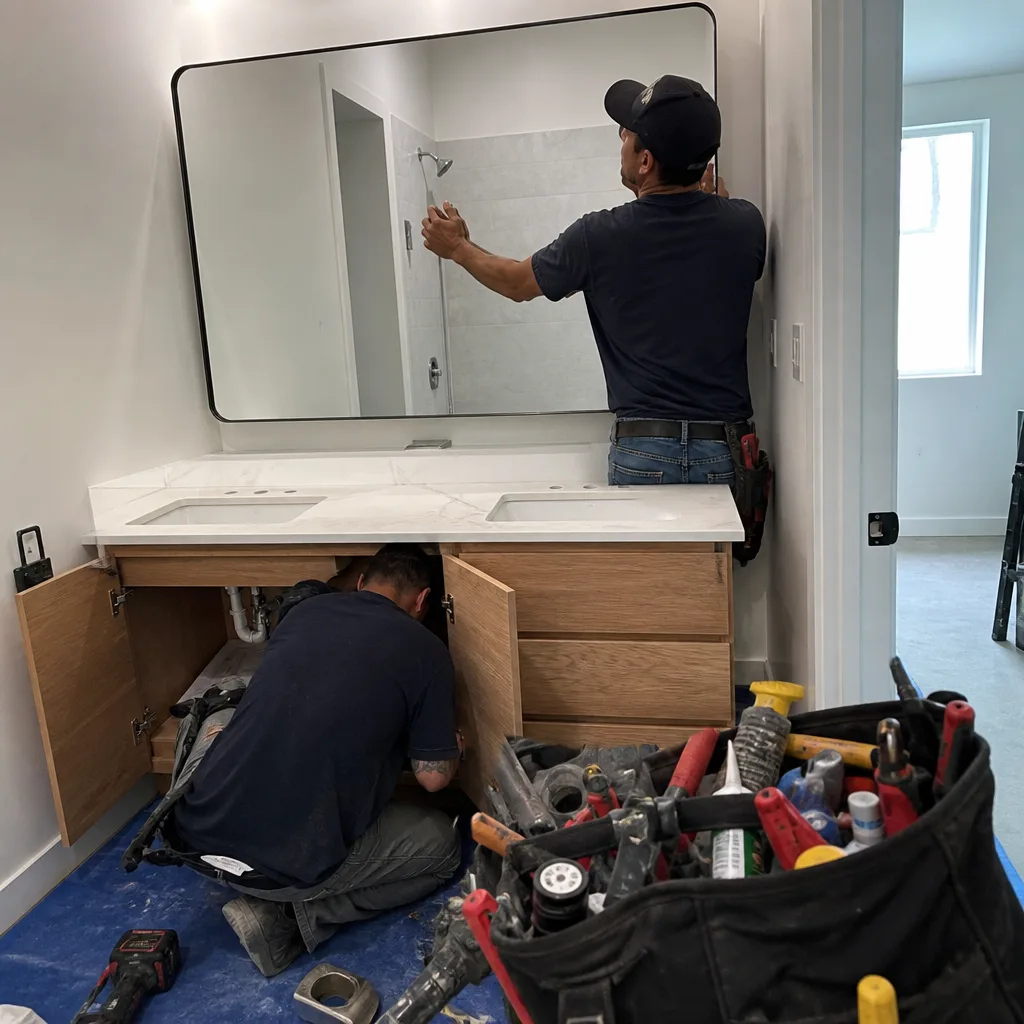
If you are planning a tub-to-shower conversion anywhere in Los Angeles – whether you are in Silverlake, Sherman Oaks, Torrance, or anywhere else in the metro – the first step is a written price that reflects your actual bathroom, not a ballpark from a website. Rowan Construction Group has been delivering written prices before work starts on every project since 2007. That is not a marketing line; it is Clause 1 of the Haven Standard, and it is why our customers know what they agreed to when the project closes.
Call (213) 652-7670 and a live person will answer. We will schedule a time to walk your bathroom, document what we find, and hand you a flat written price – no obligation, no ‘call for a quote,’ no surprises. If you have a competitor’s written estimate already, bring it: our Free Second Opinion is available on any written quote, at no charge.
You can also learn more about how we approach the full scope of this service on our Tub-to-Shower Conversion in Los Angeles page, or visit our home page to see the full range of trades Rowan handles under one written contract.
Grant Rowan leads every project with the same standard: a number in writing before anyone starts, a signed change order before anything changes, and a documented record when we leave. That is what 4,000-plus Los Angeles projects look like when they are done right.
Written by Grant Rowan, Owner at Rowan Construction Group, serving Los Angeles since 2007.
Pricing reflects the Los Angeles market as of 2026. Rowan Construction Group Los Angeles offers free estimates – call (213) 652-7670.
What Our Customers Say
"Talked us out of the larger scope we came in asking for, because it would not have added the value we thought."
- Emil R."Solid work, decent crew, and the site was left tidy every evening."
- Pearl A."Final invoice was within two percent of the contract. Every change was priced and signed before anyone picked up a tool."
- Malcolm T.