
Free written scope consultation - allowances, timeline, and change-order rules on paper before a single trade is scheduled
 Before
 After
After Before
 After
After Before
 After
AfterHow Much Does Glass Railing Installation Cost in Los Angeles?
Glass railing installation in Los Angeles typically costs between $180 and $400 per linear foot, all-in, which puts a standard 20-foot deck or stair run somewhere between $3,600 and $8,000 once materials, hardware, and labor are factored in. Larger projects with frameless systems, tempered-and-laminated glass panels, or structural posts set into concrete can reach $12,000 to $22,000 or more. At Rowan Construction Group, every quote is a flat written number with a line-item scope before any crew member shows up – no estimate ranges delivered verbally and forgotten.
Glass Railing Installation Cost Breakdown (2026)
Glass railing installation in Los Angeles breaks into four main cost buckets: the glass itself, the hardware system, labor, and site-specific work like post footings or existing deck modifications. Here is how those buckets typically price out in this market:
| Cost Component | Typical Range (Los Angeles, 2026) | Notes |
|---|---|---|
| Tempered glass panels (3/8″ or 1/2″) | $65 - $130 per sq. ft. | 1/2″ required by most LA-area inspectors for frameless runs; 3/8″ acceptable with intermediate posts |
| Tempered + laminated glass panels | $90 - $160 per sq. ft. | Required at some balconies per CBC 2022 Section 2407; the laminate layer keeps broken glass in place |
| Post-and-channel system (semi-frameless) | $55 - $95 per linear ft. (hardware only) | Aluminum base channel with spaced stainless posts; common on West LA and Silver Lake hillside decks |
| Frameless standoff / spigot system | $85 - $160 per linear ft. (hardware only) | Individual stainless or powder-coated clamps bolted to a structural substrate; most labor-intensive |
| Top-cap handrail (stainless or aluminum) | $18 - $55 per linear ft. | Code-required on any railing above 30″ drop; stainless 316 grade preferred near the coast |
| Post footings / concrete core drilling | $150 - $400 per post location | Common on Brentwood, Pacific Palisades, and Encino hillside properties where posts anchor into sloped concrete slabs |
| Permit and inspection fees (City of LA) | $250 - $900 | Required for any railing over 30″ in height attached to a permitted structure; LA DBS processing typically runs 3-6 weeks unless expedited |
| Labor (installation, not including demo) | $50 - $90 per linear ft. | Higher end for steep-grade lots and multi-story stair runs; common in Topanga, Beachwood Canyon |
| Removal of existing railing | $8 - $22 per linear ft. | Wood or iron removal; older wrought iron in Los Feliz and Hancock Park can add time due to lag bolt corrosion |
| Full project (20-foot run, semi-frameless) | $4,200 - $8,500 | Most common scenario in Los Angeles – a deck or balcony rail replacement |
| Full project (40+ linear ft., frameless) | $12,000 - $22,000+ | Typical for full pool surround, large stair-plus-balcony combos in Sherman Oaks, Studio City, or Calabasas |
What Pushes the Number Up
The single biggest driver in Los Angeles is grade. A flat suburban lot in Torrance and a hillside lot in Mount Washington are categorically different jobs even if the linear footage is identical. Hillside properties require deeper, more heavily reinforced post footings, often core-drilled into existing concrete, and the crew works on an angle the entire time. That alone can add $1,500 to $4,000 to a mid-size project.
Panel thickness is the second variable. The California Building Code (CBC 2022), as adopted and enforced by the City of Los Angeles Department of Building and Safety, requires tempered glass for all guard applications and adds a laminate requirement at certain overhead and balcony locations. Moving from 3/8″ tempered to 1/2″ tempered adds roughly $20-$30 per square foot. Adding a laminate interlayer on top of that adds another $25-$35. On a 40-linear-foot balcony with 42″ panel height, that price difference is real money.
Hardware finish affects cost more than most homeowners expect. Marine-grade 316 stainless is noticeably more expensive than standard 304, and the price difference is worth it within about a mile of the coast. Properties in Santa Monica, Venice, Playa del Rey, and Manhattan Beach see accelerated corrosion on 304 hardware – Rowan’s crews specify 316 for any project within roughly 1,500 feet of the ocean and note the spec in writing on the quote.
What Keeps the Number Down
Semi-frameless systems with a continuous base channel cost meaningfully less than fully frameless spigot systems because the channel handles load distribution for the entire run, which reduces the complexity of each individual attachment point. If the frameless look is not a firm requirement, a well-designed semi-frameless system in a low-profile satin aluminum channel reads nearly as clean and comes in $30-$60 per linear foot cheaper on hardware alone.
Scope timing matters too. If you are already doing a Glass Railing Installation in Los Angeles project alongside a deck rebuild or a balcony waterproofing repair, the mobilization cost is shared and the substrate is already open. Combining trades on a single signed scope typically saves 10-15% versus scheduling each as a standalone job.
What Affects Glass Railing Installation Pricing in Los Angeles
- Lot grade and site access: Los Angeles has some of the steepest residential lots in any major American city. Beachwood Canyon, Laurel Canyon, Glassell Park, and the Verdugo Hills all produce jobs where the crew can’t park near the work, can’t use a standard lift, and has to hand-carry glass panels up stairs or around tight corners. That access penalty runs $200-$800 per project day and shows up in any honest quote.
- Glass system type – frameless vs. semi-frameless vs. framed: Fully frameless systems (spigot or standoff-mounted directly into the substrate) use more hardware per linear foot, require more precise substrate prep, and carry a higher labor rate because the tolerance for error is tighter. Semi-frameless systems with a channel base are faster to install and more forgiving. Fully framed systems with aluminum or steel posts and infill panels are the most affordable but rarely what a Los Angeles homeowner is reaching for when they search for glass railing.
- Panel thickness and glass specification: Standard tempered glass at 3/8″ is the baseline. The California Building Code and LA-specific amendments push some balcony and overhead applications to 1/2″ tempered-laminated. The difference in material cost is significant – budget $25-$65 per square foot more for code-required upgrades beyond base tempered – and any contractor who doesn’t flag this on a quote is either unaware of the requirement or deliberately pricing low to win the job before adding it back as a change order.
- Coastal proximity and hardware grade: Within roughly a mile of the Pacific, the salt-air environment degrades standard 304 stainless hardware at an accelerated rate. Marine-grade 316 stainless posts, spigots, and handrail components cost 15-25% more upfront but don’t require replacement or grinding/refinishing at year three or four the way 304 hardware does in coastal microclimates. This is a place where the lower upfront number costs more over a five-year window.
- Permit and inspection requirements: The City of Los Angeles requires a permit for any railing over 30 inches in height that is attached to a permitted structure. LA DBS (Department of Building and Safety) permit fees for railing work typically run $250-$900 depending on project valuation, and the plan-check process in most council districts takes three to six weeks unless you pay for expedited review (roughly $150-$350 extra). Unincorporated county areas, Pasadena, and Glendale each have their own permit processes and fee schedules. A contractor who quotes “no permit needed” on a standard Los Angeles balcony railing replacement is giving you advice that is wrong and that puts the liability on you.
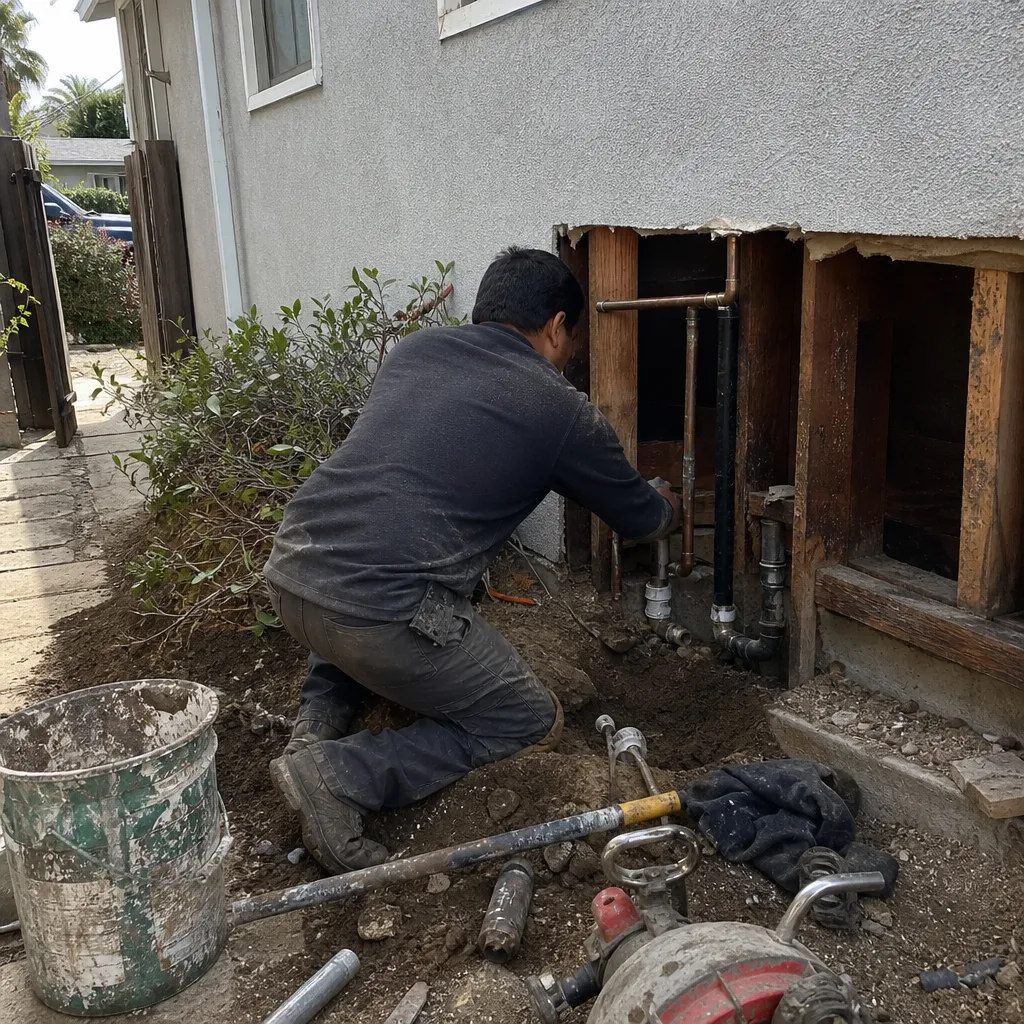
- Existing substrate condition: Glass railing systems transfer load directly to whatever they’re anchored into – a ledger board, a concrete slab edge, a steel deck frame. If the existing substrate is rotted wood, spalling concrete, or a deck frame that wasn’t originally engineered for a heavy glass system, that substrate has to be repaired or reinforced before the railing goes in. Rowan’s crew photographs the substrate condition on arrival and documents it in the project record, so there are no surprises about what was found and what it cost to address.
 Before
 After
AfterGlass Railing System Types: A Plain-Language Comparison
Framed Systems
A framed glass railing uses vertical metal posts – aluminum or steel – with glass panels sitting in a bottom channel or secured by clips along the full height of each panel. This is structurally straightforward and the most affordable option, typically landing at the lower end of the $180-$260 per linear foot range installed. The visual weight of the posts is a real aesthetic tradeoff, and most Los Angeles homeowners with hillside views or pool surrounds consider that tradeoff unacceptable. Framed systems do appear on commercial-adjacent residential properties and multi-family buildings where code compliance and cost control matter more than a clean sightline.
Semi-Frameless Systems
The semi-frameless configuration uses a continuous base channel anchored to the deck or landing surface, with glass panels set into it and supported by spaced vertical posts – typically at four to six foot intervals. The base channel carries most of the lateral load, which means individual post connections are simpler and the installation tolerance is more forgiving than a fully frameless system. Installed in Los Angeles, semi-frameless runs typically land at $220-$320 per linear foot. This is the most common glass railing type Rowan installs in the Westside, Valley, and Eastside markets – it reads clean, holds up well, and the channel system allows for future panel replacement without rebuilding the entire run.
Frameless Spigot/Standoff Systems
A frameless system uses individual hardware clamps – called spigots or standoffs – bolted directly to the deck surface or fascia, with no top or bottom rail and no continuous channel. The glass panels are held only by these clamps, which means the glass itself is doing structural work in addition to serving as a guard. That demands 1/2″ minimum glass (often tempered-laminated at balcony locations per CBC 2022), very precise drilling and leveling, and more robust substrate requirements. The result is the cleanest possible look – the panels appear to float. In Los Angeles, frameless systems installed correctly run $300-$400 per linear foot and sometimes more on difficult lots. Frameless is the standard ask for high-end properties in Bel Air, Brentwood, Pacific Palisades, and the Hollywood Hills.
Cable Railing with Glass Infill Panels
Some Los Angeles projects combine stainless cable railing with glass infill panels at specific sections – for example, glass at a deck corner where view preservation matters most and cable for the straight run. This hybrid approach is worth knowing about because it can reduce total cost while preserving sightlines where they count. The glass sections in a hybrid installation follow the same pricing as standalone glass panel work; the cable sections run separately at $90-$160 per linear foot installed. Rowan quotes hybrid scopes regularly for Topanga and Altadena properties where a full glass run would be cost-prohibitive given the site complexity.
A Note on Safety and the Work Itself
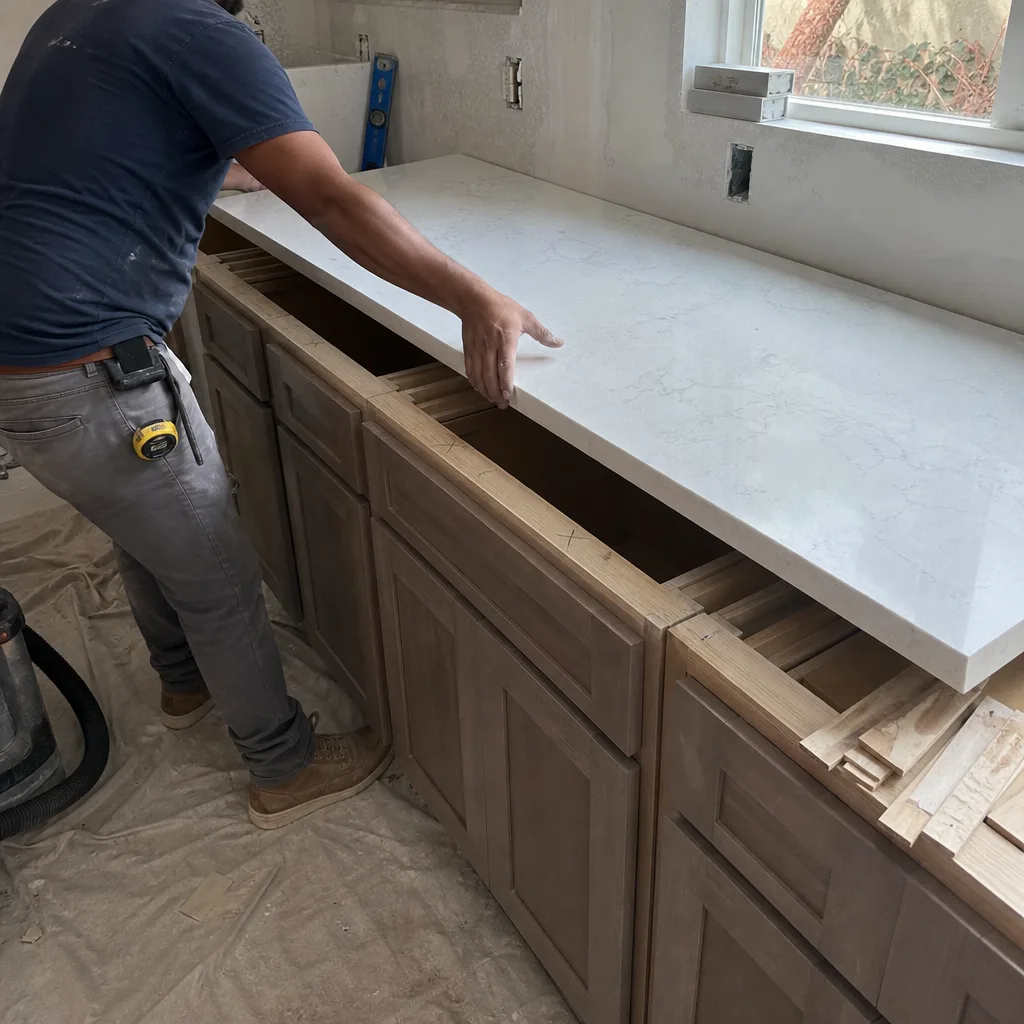
Glass railing installation is structural work. The panels and their attachment hardware are a guardrail system, meaning they are the only thing between a person and a fall from a deck, balcony, or stair landing. The California Building Code requires guardrails to resist a 200-pound concentrated load at the top rail and 50 pounds per linear foot on the panel. Glass selection, hardware specification, substrate prep, post footing design, and torque specs on every connection point all flow from that structural requirement.
This is not a DIY project. Setting 1/2″ tempered glass panels in spigot hardware, drilling into a hillside concrete slab on a sloped lot, and achieving the tolerances required for both code compliance and a clean visual finish requires trade experience, calibrated tools, and knowledge of how the CBC is locally enforced. A glass panel that is incorrectly specified or improperly anchored will not show its failure mode right away – it will show it when someone leans on it. Rowan’s crews are background-checked and have documented glass railing experience; every installation is photographed during and after, and the permit inspection closes the job officially.
How to Save on Glass Railing Installation in Los Angeles
Start with system choice, not panel choice. Homeowners often focus on the glass first and the hardware system second, but the system type drives cost more than glass selection does. A well-detailed semi-frameless system with a low-profile satin aluminum channel and clear tempered panels will cost meaningfully less than a frameless spigot system with the same glass, and from most viewing angles the difference is minimal. If your primary goal is view preservation and not the frameless floating-panel aesthetic specifically, have that conversation before the quote is finalized.
Combine with adjacent work. If the deck surface needs re-decking, if the balcony waterproofing membrane needs replacing, or if the stair structure needs any work, do it all under one signed scope. Mobilization costs are shared, the substrate is open anyway, and Rowan’s no-surprise pricing model means the combined scope is written as a single flat number – not separately quoted and then added together with change orders between.
Pull the permit. It sounds like a cost, and it is – $250-$900 in LA DBS fees plus plan-check time. But unpermitted railing work creates a disclosure obligation when you sell the property, can trigger insurance disputes if there’s an incident, and sometimes requires full removal and reinstallation rather than just retroactive approval. The permit is not optional in Los Angeles; it is the correct way to do the job.
Get the substrate report before committing to a system. If the deck framing or concrete slab edge is in poor condition, that discovery mid-project becomes a change order on most contractors’ jobs. Under the Haven Standard, Rowan documents substrate condition at the start of every project with photographs before proceeding – if the substrate needs work, that scope is written and priced before a panel goes up, not after.
Ask for a free second opinion on any written estimate you already have. Rowan offers a free line-by-line review of any competitor’s written quote – no obligation, no sales pressure. Call (213) 652-7670 and bring the document. If the quote is fair, we’ll tell you. If it’s padded, we’ll show you where.
The Written Price Question – How Rowan Quotes Glass Railing in Los Angeles
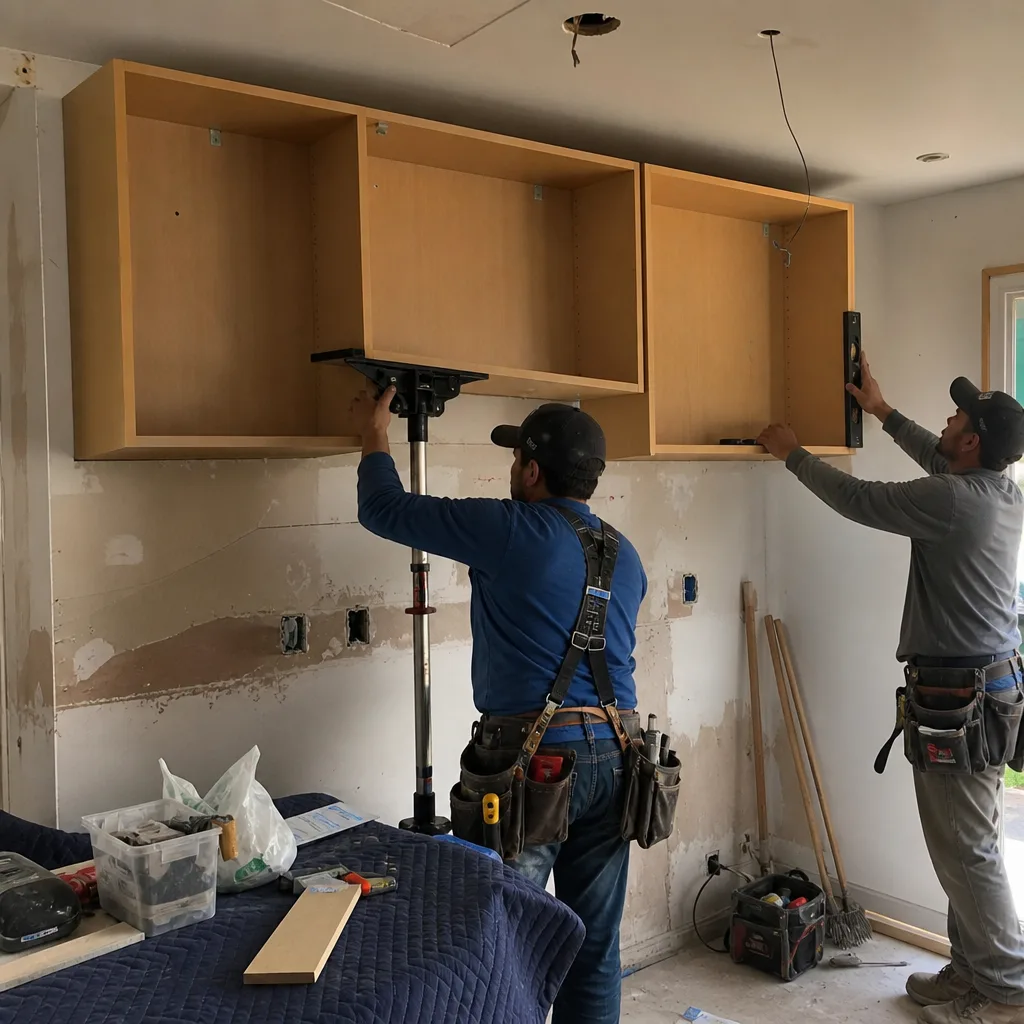
Glass railing is a category where verbal estimates are common, vague, and later contested. A contractor who tells you “probably around $8,000 to $10,000 depending on how it goes” is not quoting you a price – they’re giving you a ballpark that allows plenty of room for post-start change orders. Rowan’s founding discipline, and the first clause of the Haven Standard, is that a written price is delivered before any work begins. Full stop.
For a glass railing project in Los Angeles, that written price includes: the glass specification (thickness, tempering, laminate layer if required), the hardware system by manufacturer and finish, the post footing method and any concrete core drilling, the permit fee as a line item, labor by phase, removal of existing railing if applicable, and the cleanup scope. The number on the bottom line is the number the customer pays unless a change is requested – and no change proceeds without a signed change order. That administrative discipline is the reason Rowan’s projects close within a few percent of the agreed price across more than 4,000 jobs since 2007.
Grant Rowan reviews glass railing quotes personally for projects above a defined threshold, and the written scope he signs off on is the same document the crew works from. The photo record the customer receives at project close documents what was installed, what hardware was used, and what the permit inspection confirmed.
If you want to understand exactly what you’re getting before anyone touches your property, that is the point of our process. Call (213) 652-7670 to schedule a no-cost site visit. You’ll have a written price in hand before any decision is required.
FAQs – Glass Railing Installation Cost in Los Angeles
How much does glass railing installation cost per linear foot in Los Angeles?
Installed glass railing in Los Angeles runs $180 to $400 per linear foot depending on the system type – framed at the lower end, frameless spigot systems at the upper end. That range includes glass panels, hardware, labor, and standard post footings on a relatively flat lot. Hillside lots with core drilling, coastal hardware upgrades to 316 stainless, or code-required laminated glass panels push the number toward or past the top of that range. Call (213) 652-7670 for a flat written price on your specific site.
Do I need a permit to install glass railing in Los Angeles?
Yes. The City of Los Angeles requires a building permit for any railing over 30 inches in height attached to a permitted structure – which covers essentially every residential glass railing project. LA DBS permit fees for railing work run $250 to $900 depending on project valuation, and standard plan-check takes three to six weeks. Unincorporated LA County, Pasadena, and Glendale operate their own permitting systems with their own timelines and fees. Rowan handles permit filing as part of every project scope and lists the permit fee as a line item in the written quote – it is never bundled in opaquely or discovered after the fact.
Is frameless glass railing more expensive than semi-frameless?
Yes, meaningfully so. A frameless spigot system in Los Angeles typically runs $300 to $400 per linear foot installed, compared to $220 to $320 per linear foot for a semi-frameless channel-and-post system. The difference comes from higher hardware cost per connection point, stricter substrate requirements, more precise installation tolerances, and the code requirement for thicker (often laminated) glass when the panel is the sole structural element. On a 30-foot run, that gap is $2,400 to $5,400 in real dollars. If you want the frameless look but the budget is tighter, it’s worth pricing both and seeing which features matter most to you.
How long does glass railing installation take in Los Angeles?
Most residential glass railing projects in Los Angeles take one to three days of installation once materials are on site. A 20-foot deck replacement runs one full day under normal conditions. A 50-linear-foot pool surround with a stair run, permit inspection, and hillside post footings runs two to three days. Lead time for custom-cut tempered glass panels from local fabricators is typically two to four weeks depending on glass thickness and fabricator capacity. Rowan builds the glass lead time into the project schedule and confirms the installation window in writing so the customer isn’t waiting on an indefinite “when the glass comes in.”
What type of glass is required for railings in Los Angeles?
The California Building Code (CBC 2022), as enforced by the City of Los Angeles, requires tempered glass for all guard and railing applications. At certain balcony and overhead locations, the code additionally requires tempered-and-laminated glass – the laminate interlayer holds broken glass in place rather than allowing it to fall. Standard minimum thickness for frameless systems is 1/2 inch; semi-frameless systems with intermediate posts may use 3/8 inch tempered in many configurations. Rowan specifies the correct glass type in the written quote for every project, with the applicable CBC section noted, so the customer understands what they’re getting and why before the glass is ordered.
Key Takeaways
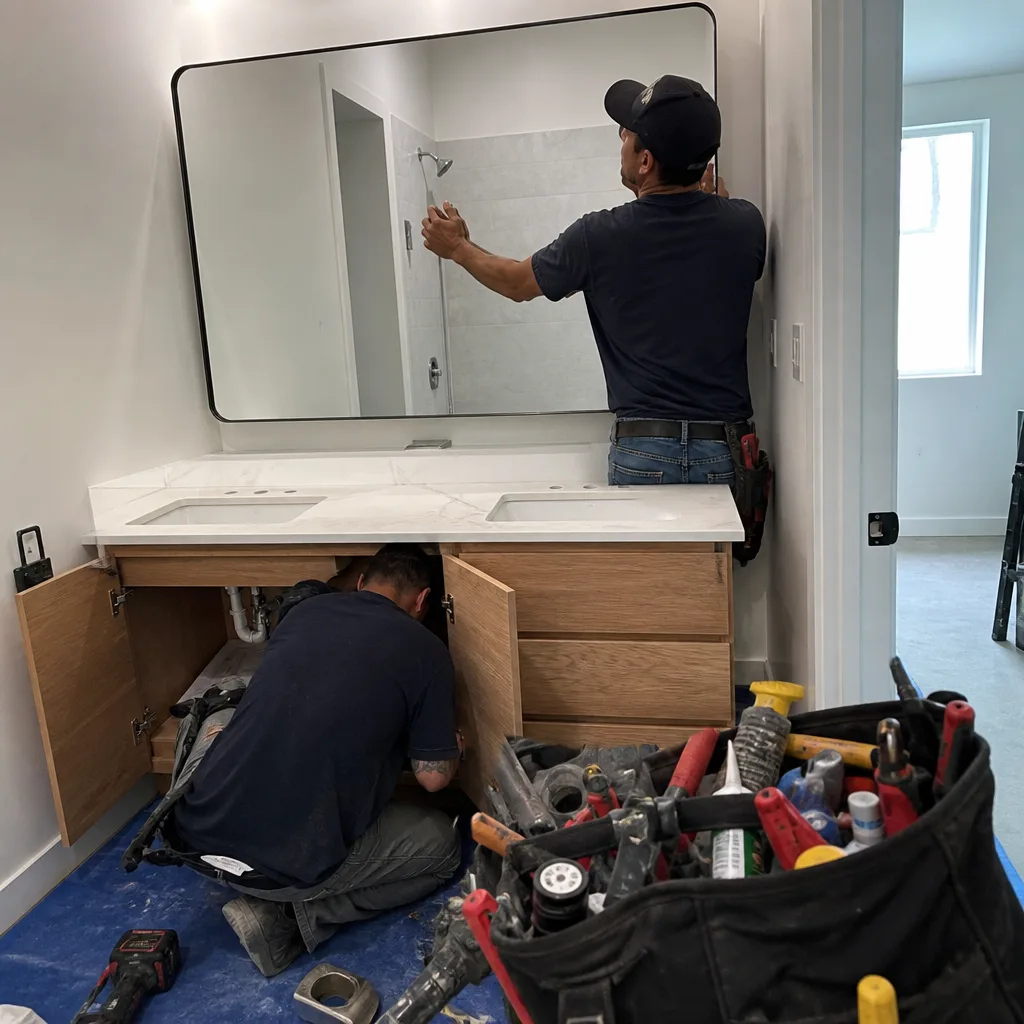
- Glass railing installation in Los Angeles runs $180-$400 per linear foot installed, with most residential projects landing between $4,200 and $12,000 for typical deck or balcony runs.
- Frameless spigot systems cost more than semi-frameless channel systems – often by $80-$120 per linear foot – and require thicker, sometimes laminated glass per CBC 2022.
- Hillside lots (Silver Lake, Topanga, Beachwood Canyon, Glassell Park) add cost through post footing complexity and access constraints.
- Marine-grade 316 stainless hardware is the correct specification within roughly a mile of the Pacific coast – not an optional upgrade.
- A City of LA building permit is required and runs $250-$900 in fees; plan-check takes three to six weeks under standard processing.
- Rowan delivers a flat written price – line-itemized by glass spec, hardware system, labor, and permit – before any work begins. No work proceeds on a change without a signed change order.
- The 365-Day Done Right Promise covers every glass railing installation Rowan completes in Los Angeles – in writing, not as a verbal assurance.
For a free, written estimate on glass railing installation at your Los Angeles property, call (213) 652-7670. Grant Rowan’s team will assess the site, confirm the applicable code requirements for your specific lot and structure, and deliver a flat written price with a full scope before any commitment is required. You can also explore the full range of services at Rowan Construction Group on our home page.
Pricing reflects the Los Angeles market as of 2026. Rowan Construction Group Los Angeles offers free estimates – call (213) 652-7670.
Written by Grant Rowan, Owner at Rowan Construction Group, serving Los Angeles since 2007.
What Our Customers Say
"Fence and retaining wall along a sloped boundary. They photographed the footing depth at each post, which mattered when the county inspector came."
- Iona F."They found an old septic line under the driveway run and stopped, documented it, and re-quoted before continuing."
- Xavier L."Talked us out of the larger scope we came in asking for, because it would not have added the value we thought."
- Emil R.