
Free written scope consultation - allowances, timeline, and change-order rules on paper before a single trade is scheduled
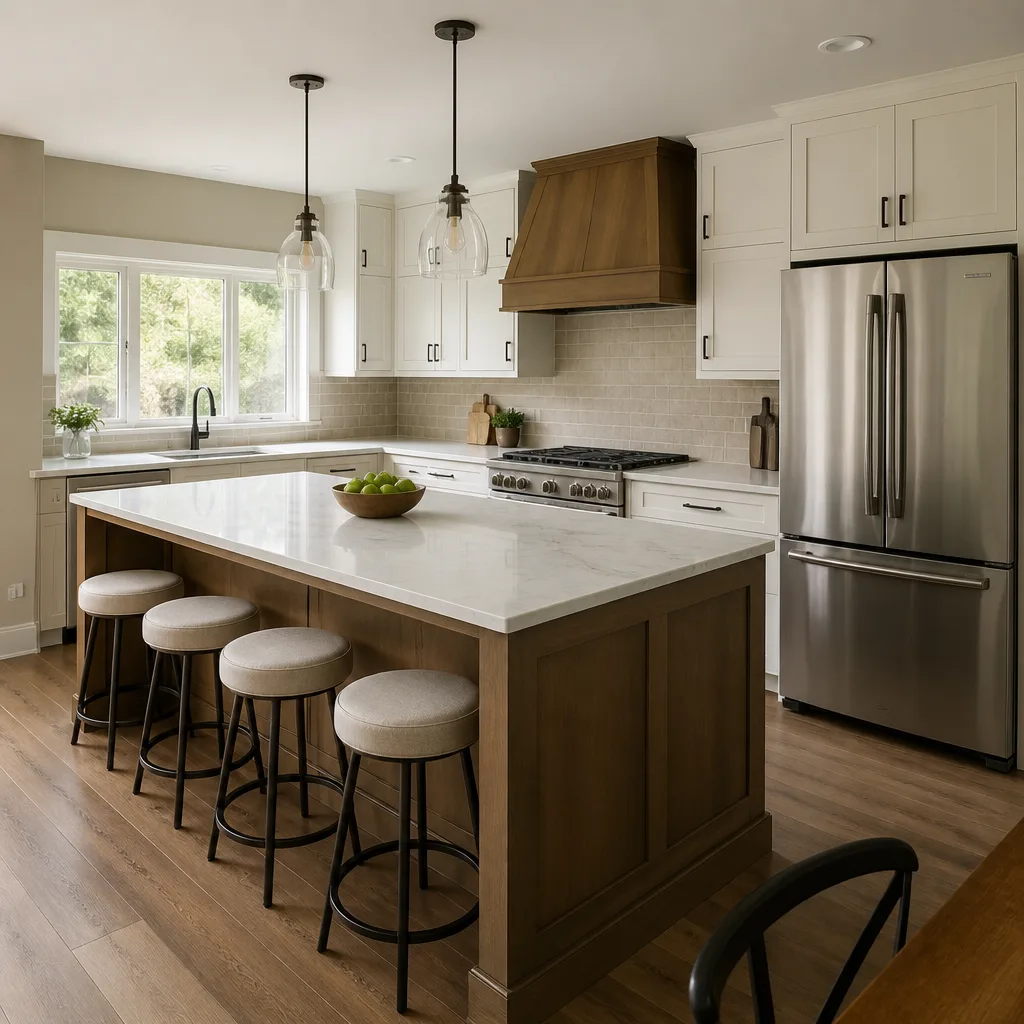
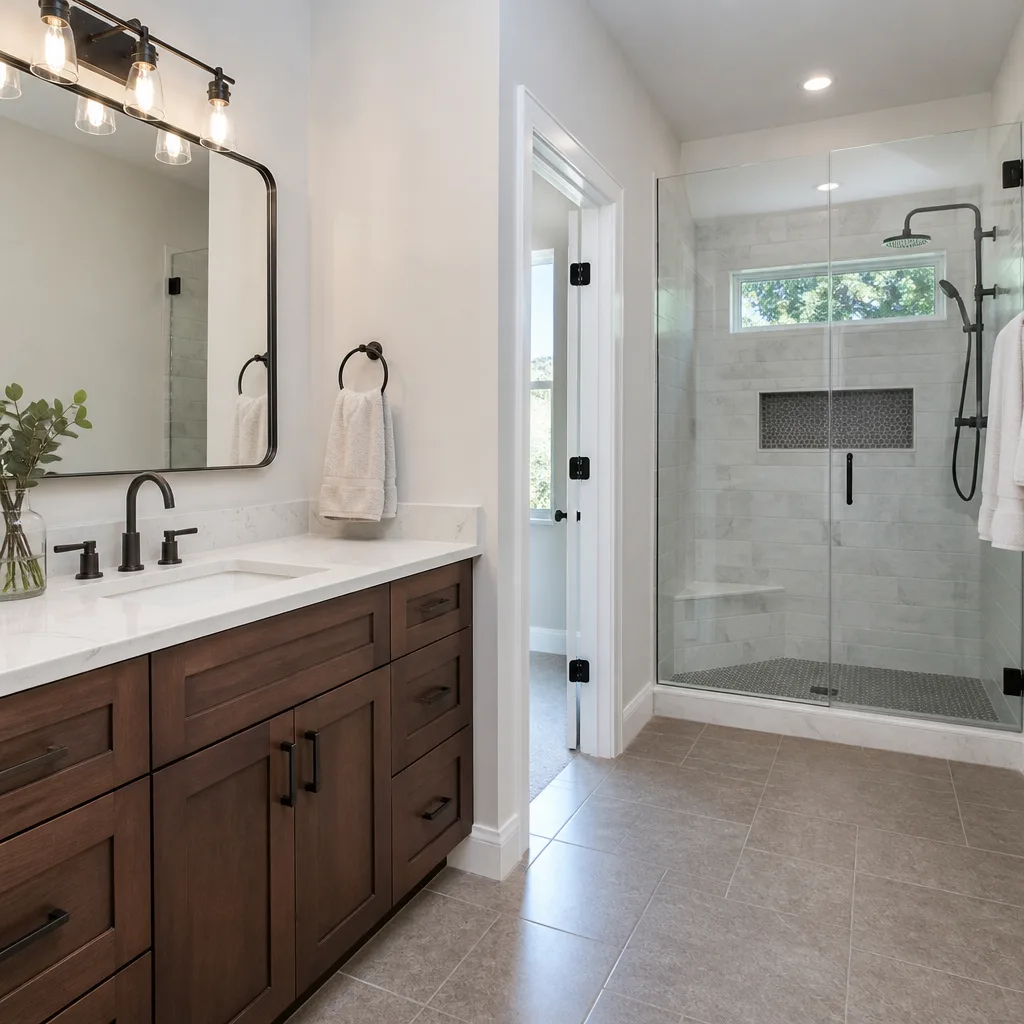
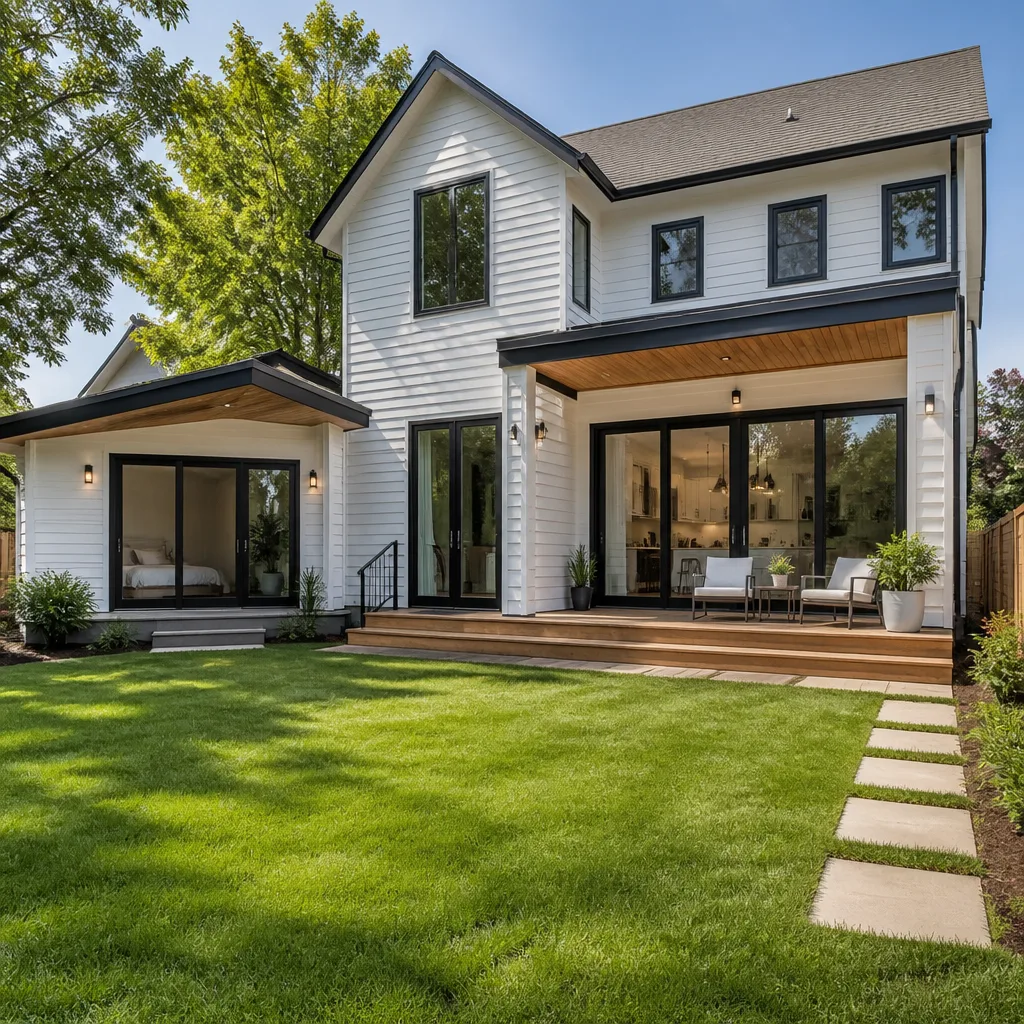
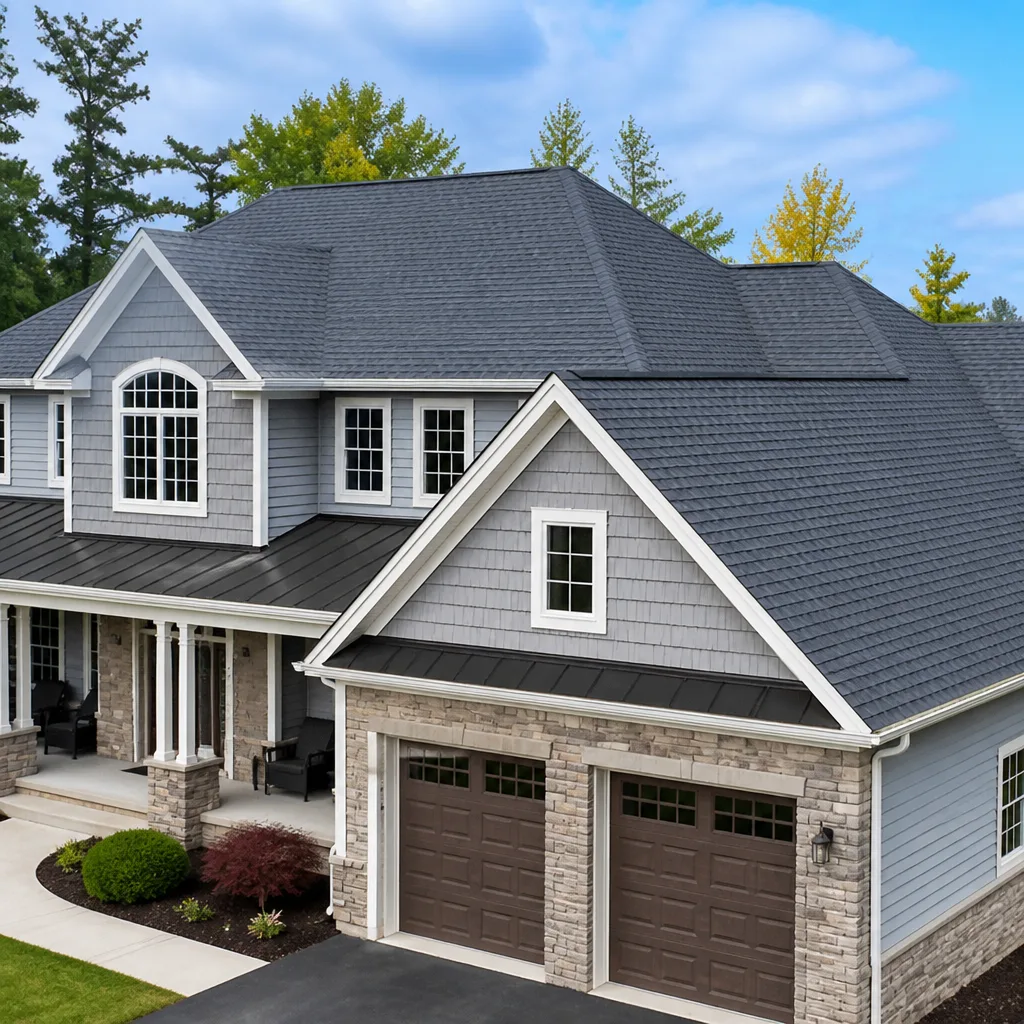
 Before
 After
After Before
 After
After Before
 After
AfterCGI Home Additions & ADU: The Los Angeles Owner’s Guide
We stock and install CGI-compatible components for home additions and ADU projects across Los Angeles, with typical installed pricing for CGI-integrated work running $53,100-$153,400 depending on scope, foundation type, and permit tier. Most CGI-specific failures we see involve the thermal break assembly, weep screed drainage plane, or the multi-point locking hardware on integrated door systems - issues that usually surface during Santa Ana wind events or after the first heavy winter rain when water finds its way behind stucco that wasn’t properly flashed at the CGI opening. Grant Rowan, our owner, first noticed this pattern working additions in Palms and Mar Vista back in the early 2000s, before CGI had refined its coastal-grade coatings.
Which CGI Models This Applies To
CGI’s product lines for residential additions and ADUs fall into three main series, and the part you need depends on which generation you’re working with. The Impact Series (pre-2018) used a 2.5-inch thermal break frame with a brass roller assembly that CGI later replaced with a stainless-steel variant - the brass units corrode in Los Angeles coastal air within 8-12 years, faster if you’re west of the 405. The WinGuard Series (2018-present) standardized on stainless hardware but changed the weep screed profile from a J-channel to a sloped drip edge, which means retrofit flashing has to match or water backs into the sill plate. The Architectural Series uses a heavier 3-inch frame with integrated structural reinforcement; parts here are not interchangeable with WinGuard despite similar exterior dimensions.
To identify your unit: check the etched marking on the glass spacer bar (visible when you open the sash) or the AAMA label in the head jamb. The model prefix - IS-, WG-, or AS- - tells us which hardware kit, screen frame, and weatherstrip profile to order. We source OEM CGI parts through their Carson distribution center, though for discontinued Impact Series hardware we sometimes specify a quality aftermarket equivalent from AmesburyTruth that meets the same AAMA 2605 coating spec. The aftermarket route saves roughly 15-20% on parts but adds a week to lead time; for Los Angeles permit inspections where hardware certification matters, we default to OEM and document the part number on your photo record.
Signs Your CGI Home Additions & ADU Is Failing
- Sticky or grinding operation when opening integrated doors. The multi-point locking mechanism relies on a geared synchronization rod that binds when the brass rollers in pre-2018 Impact units corrode. In Los Angeles, we see this first on south-facing additions where morning condensation accelerates the oxidation cycle.
- Water staining at the base of CGI-framed openings. The weep screed drainage plane is designed to evacuate water that gets past the primary seal, but if the screed is clogged with stucco overspray or the slope was reversed during original installation, water pools in the sill track. We’ve found this in at least a dozen ADU conversions in the basin where the original contractor used standard J-channel instead of CGI’s sloped drip variant.
- Draft or temperature stratification near CGI windows in the addition. The thermal break assembly - a polyamide strip that separates interior and exterior aluminum extrusions - degrades when installers overtighten mounting screws or when coastal salt air attacks the crimp joints. Once the break is compromised, conduction brings outside temperature straight through the frame.
- Condensation between panes on integrated CGI units. This indicates seal failure in the insulated glass unit (IGU), not a frame issue, but it’s worth noting because CGI’s warranty on the IGU is 20 years while the hardware warranty is 10. We document which component has failed so you’re not paying for a frame repair when the glass is the actual culprit.
- Screen frame sagging or corner separation. CGI’s screen frames use a rolled aluminum profile with a plastic corner key that fatigues in direct UV. In Los Angeles, east-facing screens fail faster because morning sun hits them after overnight cooling has contracted the vinyl; by afternoon expansion, the corner key has already cracked.
 Before
 After
AfterReplacement Cost & What’s Included
For CGI-specific component work within a home addition or ADU project in Los Angeles, our installed pricing breaks down as follows:
| Component / Scope | Typical Range |
|---|---|
| CGI multi-point lock hardware replacement (single door) | $680-$1,240 |
| CGI thermal break frame section repair | $1,850-$3,400 |
| Weep screed / drainage plane retrofit | $940-$1,760 |
| IGU seal failure - glass replacement (per unit) | $420-$780 |
| Screen frame rebuild with upgraded corner keys | $180-$340 |
| Full CGI opening reflash (stucco cutback, peel-and-stick, re-stucco) | $2,400-$4,800 |
What drives the range: accessibility (second-story additions require scaffolding or boom work in Los Angeles’s tight setbacks), stucco match complexity (we sample and document the existing finish texture before cutting), and whether the original installation used CGI’s proprietary sub-sill pan or a generic alternative that failed. Under Clause 1 of the Haven Standard, you get a written price before anyone picks up a tool - every line item above is itemized in our quote, and no change proceeds without a signed change order. The 365-Day Done Right Promise covers the installation workmanship; CGI’s own warranty covers the part itself, and we register that warranty on your behalf with the Carson distribution center.
DIY or Call Us?
There’s a honest split here, and we’ll show our work. An owner can safely check whether the weep screed holes are clogged - a piece of stiff wire or a compressed air canister will clear stucco debris - and you can verify the AAMA label location yourself so you’re ordering the right part. Where DIY goes wrong: the multi-point lock adjustment requires a specific 2.5mm hex key and a torque sequence that, if botched, strips the zinc housing. We’ve replaced three homeowner-attempted repairs this year in Los Angeles where the synchronization rod was bent beyond salvage. The thermal break repair is not a homeowner job - the frame has to be deglazed, the polyamide strip heated and drawn, and the unit re-crimped with a dieset that costs more than the repair itself. If it’s not written down, it didn’t happen - and DIY doesn’t come with a photo record or a warranty.
For anything involving the frame integrity or the drainage plane behind stucco, call (213) 652-7670 and we’ll schedule a free estimate with line-item pricing.
FAQs
CGI hardware in Los Angeles typically lasts 12-18 years inland, 8-12 years within five miles of the coast, with the thermal break assembly and coastal-grade coating being the limiting factors. Salt air west of Lincoln Boulevard accelerates frame oxidation even on anodized finishes. Call (213) 652-7670 for an exact assessment of your unit’s condition - estimates are free.
Screen frames and weep screeds can often be repaired; multi-point locks and thermal breaks require full replacement because the internal components are not sold separately by CGI. We always inspect first and document which route saves you money. Call (213) 652-7670 for a free estimate with both options priced out.
Hardware replacement on an accessible ground-floor unit takes 2-3 hours; a full reflash with stucco repair runs 1-2 days depending on cure time for the peel-and-stick membrane. We schedule Los Angeles permits when required and include that timeline in your written quote. Call (213) 652-7670 to book a slot.
We carry WinGuard Series hardware kits, common screen frame extrusions, and upgraded stainless roller assemblies on every Los Angeles service vehicle. Impact Series brass hardware and Architectural Series specialized components come from CGI’s Carson warehouse with next-day availability. Call (213) 652-7670 and we’ll confirm stock against your model number before dispatching.
Written by Grant Rowan, Owner, Rowan Construction Group Los Angeles at Rowan Construction Group Los Angeles, serving Los Angeles and nearby areas.