
Free written scope consultation - allowances, timeline, and change-order rules on paper before a single trade is scheduled
 Before
 After
After Before
 After
After Before
 After
AfterPlant Prefab Roofing: The Los Angeles Owner’s Guide
We stock and install Plant Prefab-compatible roofing components across Los Angeles, with typical repair work running $470-$2,125 and full replacement at $9,440-$23,600 depending on module configuration and roof pitch. Most Plant Prefab roofing calls we get in Los Angeles start the same way: a homeowner notices water staining on a ceiling panel, or they spot lifted membrane seams during a rare rainy week, and they realize the factory roofing system has reached its local lifespan limit. The Plant Prefab modules shipped to Los Angeles between 2016 and 2022 predominantly used a low-slope membrane assembly with integrated flashing, and that membrane degrades faster here than the manufacturer originally spec’d for cooler climates.
Which Plant Prefab Models This Applies To
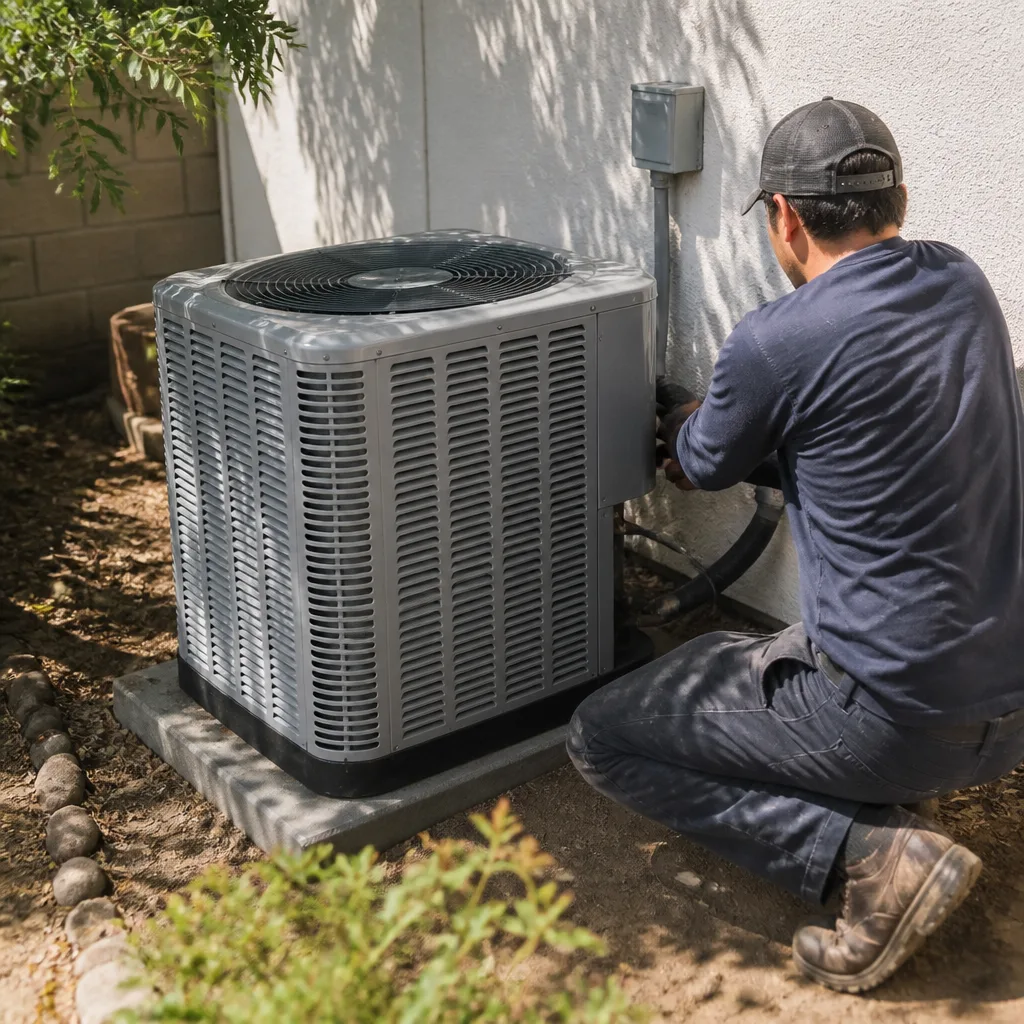
Plant Prefab’s Los Angeles installations cluster around three product lines: the LivingHome 10, the Cabana series, and the custom multi-module configurations sold through their developer partnerships. The roofing assembly is consistent across these: a factory-installed TPO or modified bitumen membrane with pre-formed curb flashings for mechanical penetrations. You can identify your module’s roofing spec from the data plate inside the electrical panel, which lists the factory completion date and the roofing subcontractor code. For modules built before 2019, look for code “RF-TPO-1” - these used a 45-mil TPO that we’ve found cracks at seam corners after six to eight years of Los Angeles UV exposure. Post-2019 modules with “RF-TPO-2” upgraded to 60-mil, which holds up better but still fails at detail flashings.
We’re an independent service provider with no affiliation to Plant Prefab. For replacement, we source either OEM membrane rolls from Plant Prefab’s approved supplier list or, more commonly, equivalent-grade Carlisle or GAF TPO in 60- or 80-mil thickness. The aftermarket material often outperforms the original 45-mil spec at lower material cost, though we always match the existing color and texture for visual consistency. The critical compatibility point is the flashing geometry: Plant Prefab modules use a proprietary curb angle at HVAC and vent penetrations that standard off-the-shelf boots don’t fit without field modification.
Signs Your Plant Prefab Roofing Is Failing
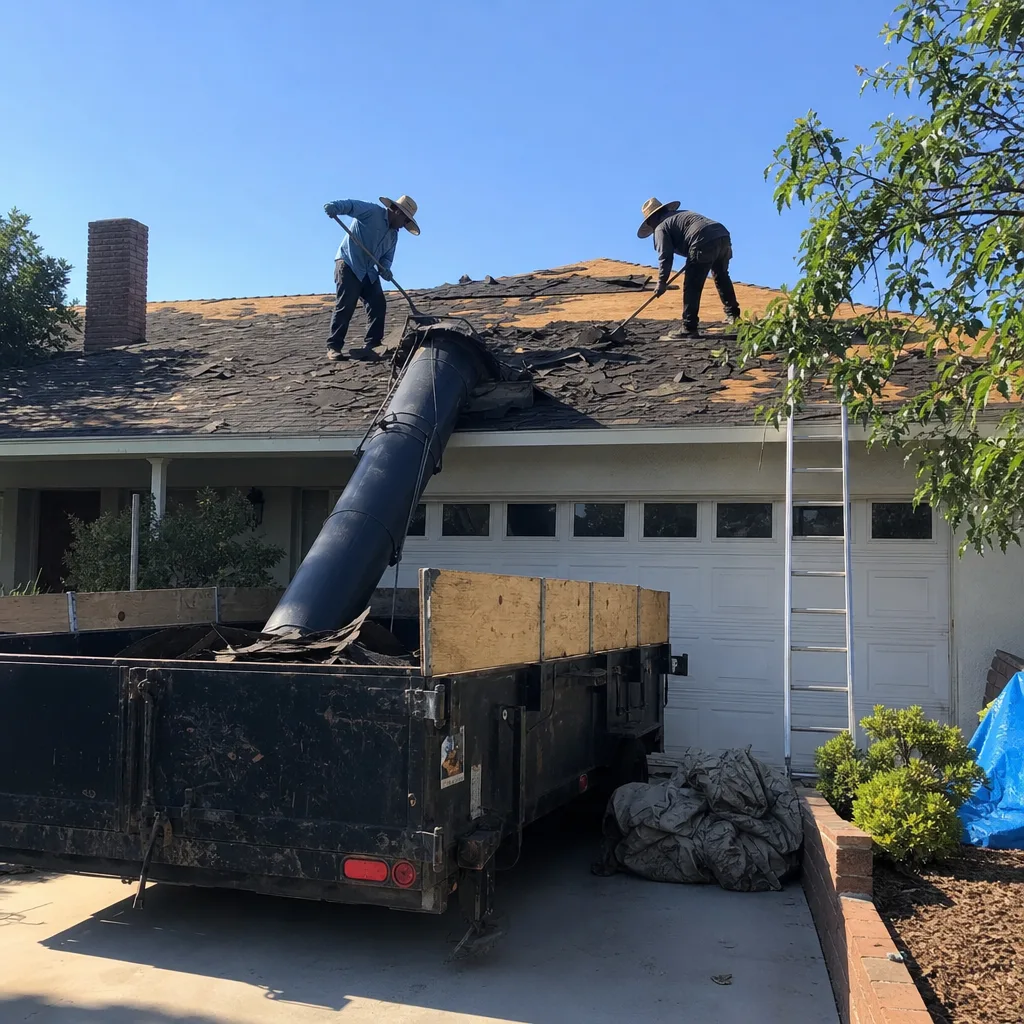
- Interior ceiling panel staining near roof penetrations. Plant Prefab modules have minimal attic space, so membrane leaks travel directly to the finished ceiling. The stain pattern usually traces back to a failed curb flashing or a seam that opened at the factory-welded corner. We see this most in Mar Vista and Venice installations where marine layer moisture accelerates the breakdown.
- Visible membrane bubbling or “alligatoring” on the roof surface. This is UV degradation of the TPO top ply, common on Los Angeles modules with south or west exposure. The surface cracks first; water intrusion follows within one to two rainy seasons once the reinforcing scrim is exposed.
- Lifted seams at module-to-module junctions. Multi-module Plant Prefab homes have a site-welded seam between factory roof sections. If the field welding was done in cold or windy conditions, this seam lifts and creates a channel for water. We’ve re-welded dozens of these in the Silver Lake and Echo Park areas where early installations had this issue.
- Sagging at roof edges or gutters pulling away. Plant Prefab modules use a built-in gutter trough at the roof perimeter. When the membrane behind the gutter fails, water saturates the fascia substrate and the gutter sags under the load. This is structural now, not just a roofing issue.
- Musty odor or elevated humidity readings inside. Slow leaks that haven’t yet stained the ceiling panel can still raise interior humidity. If your Plant Prefab’s mini-split is running longer than usual to dehumidify, the roof membrane may be breathing moisture into the wall cavity.
 Before
 After
AfterReplacement Cost & What’s Included
| Scope | Price Range in Los Angeles |
|---|---|
| Spot repair (localized membrane patch, one flashing) | $470-$1,060 |
| Partial re-roof (one module, membrane + flashings) | $2,360-$5,310 |
| Full module replacement (membrane, insulation, substrate check) | $5,900-$11,800 |
| Complete multi-module re-roof | $9,440-$23,600 |
The range depends on three factors: module count and roof square footage, whether the substrate sheathing needs replacement (we don’t know until we peel the membrane), and access complexity - some Los Angeles Plant Prefab installs have tight side yards that require crane or boom lift for material handling. Every quote we write lists these as line items before work starts. Under Clause 1 of the Haven Standard, that written price is fixed; if the substrate is sound, you pay the number on the page. Our 365-Day Done Right Promise covers the workmanship, and the membrane itself carries a manufacturer’s warranty we register in your name.
DIY or Call Us?
There’s a safe middle ground here. You can walk the roof with binoculars from a ladder and photograph any lifted seams or surface cracks - that documentation helps us quote accurately before we arrive. You can also check the interior data plate and email us the roofing subcontractor code, which tells us what material was factory-installed.
What you should not do: attempt to heat-weld TPO seams yourself, or cut into the membrane to inspect the substrate. TPO welding requires a hot-air gun set to precise temperature with proper pressure and speed; an amateur weld looks sealed but fails within months. And any membrane cut exposes the substrate to Los Angeles moisture, which in our climate can generate mold in the wall cavity before you notice interior damage. The substrate in Plant Prefab modules is typically OSB with a vapor barrier, and once that’s wet, replacement cost jumps from a roofing repair to a structural repair. Call (213) 652-7670 and we’ll schedule a free estimate with photo documentation of what we find.
FAQs
The original 45-mil TPO membranes average eight to twelve years in Los Angeles before requiring significant repair, shorter than the fifteen-year manufacturer spec because UV intensity here exceeds the national average. The 60-mil upgrades we’ve installed since 2020 are tracking toward fourteen to eighteen years. Call (213) 652-7670 for an exact assessment of your module’s condition - estimates are free.
Yes, if the damage is localized to one or two seams or a single flashing, we can patch with compatible material and extend service life three to five years. If the membrane shows widespread surface cracking or multiple seam failures, partial or full replacement is more cost-effective than repeated patchwork. We document the full roof condition with photos so you can see what we see before deciding.
A single-module membrane replacement takes one to two working days in normal conditions; multi-module projects run three to five days depending on access and weather. We don’t work in rain, and Los Angeles winter storms can push schedules by a few days. We text confirmations, not promises, and we update you if conditions change.
We stock 60-mil TPO in white and tan, Carlisle Sure-Weld flashings in standard curb sizes, and the modified boots that fit Plant Prefab’s penetration angles. For color-matched repairs on older modules, we may need one business day to pull material from our Los Angeles supplier. We carry enough to stop active leaks same-day in most cases.
Written by Grant Rowan, Owner, Rowan Construction Group Los Angeles at Rowan Construction Group Los Angeles, serving Los Angeles and nearby areas.