
Free written scope consultation - allowances, timeline, and change-order rules on paper before a single trade is scheduled
 Before
 After
After Before
 After
After Before
 After
AfterTuff Shed Driveway & Pavers: The Los Angeles Owner’s Guide
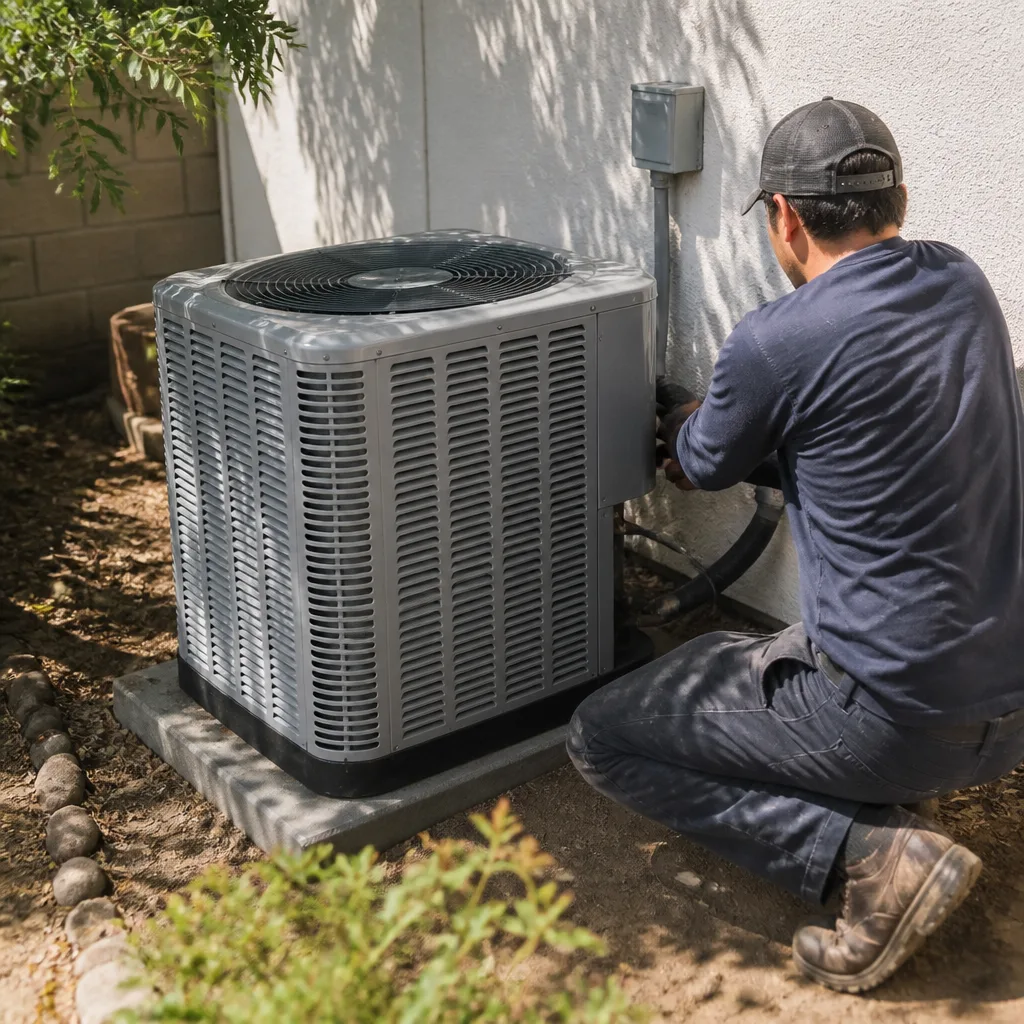
We stock and install Tuff Shed-compatible driveway and paver surfaces in Los Angeles, with paver driveway installation typically running $8,260-$21,240 and concrete driveway installation at $5,310-$14,160 depending on substrate condition and access. Most Tuff Shed owners discover their driveway or paver surface has failed when they notice pooling water under the shed after rain, or when the shed’s pre-built floor system starts to separate from its base because the ground beneath has shifted or eroded. In Los Angeles, the combination of clay-heavy soils in neighborhoods like Palms and Mar Vista and the thermal cycling between 50°F winter mornings and 95°F summer afternoons puts particular stress on any surface supporting a Tuff Shed’s concentrated load.
Which Tuff Shed Models This Applies To
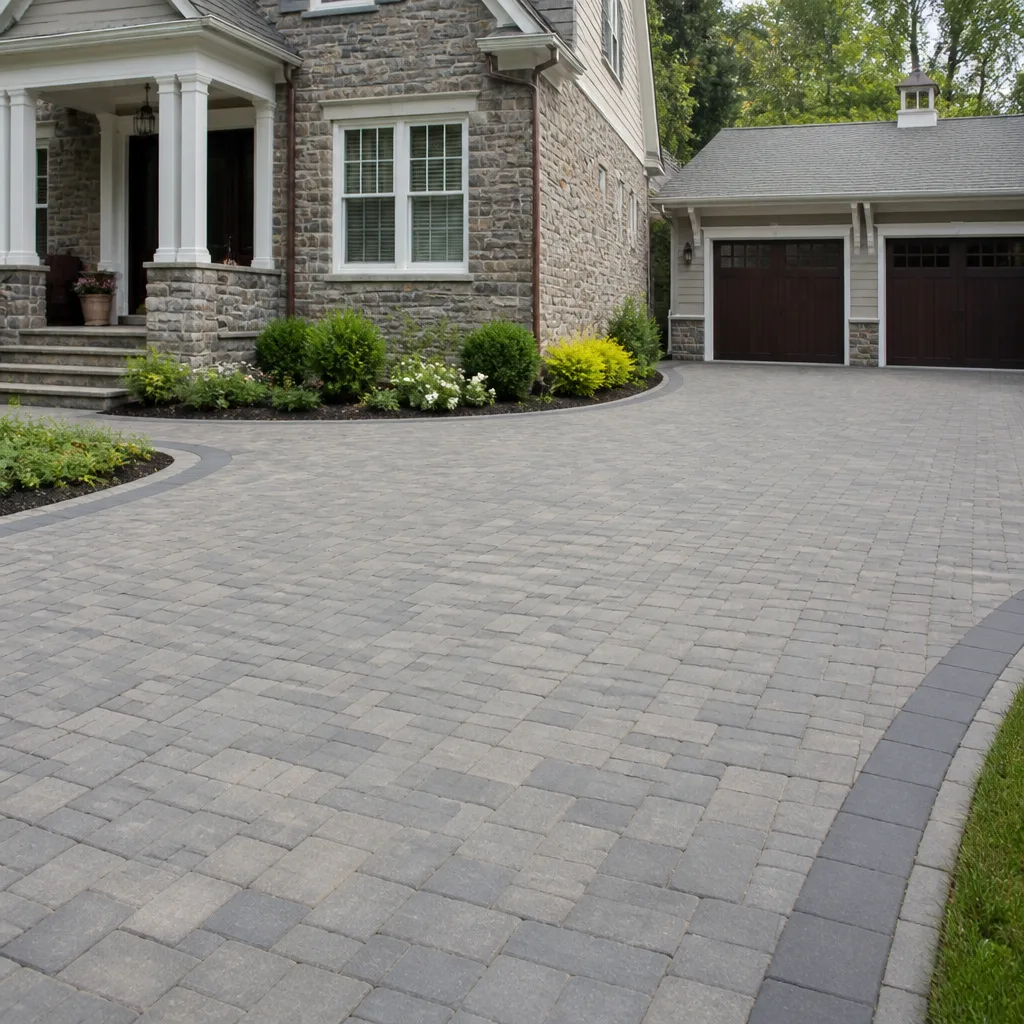
Tuff Shed’s product lines fall into three categories for driveway and paver purposes: the Premier Pro Series with its heavier floor joist system requiring a more substantial base, the Premier Series with standard 3/4-inch floor decking, and the TR-700 and TR-800 storage series with lighter floor loads but still demanding a level, drained surface. The critical compatibility gotcha is the shed’s footprint-to-base ratio: Tuff Sheds are built with a 4-inch overhang on all sides, which means your driveway or paver surface must extend at least 6 inches beyond the shed’s drip line to prevent water from undercutting the edge. We’ve measured bases in Los Angeles where owners poured exactly to the shed’s dimensions, only to watch the corners sink within two seasons because runoff had nowhere to go. OEM Tuff Shed specifications call for either a 4-inch minimum concrete slab with rebar at 18-inch centers or a 6-inch compacted aggregate base with 1-inch bedding sand for paver installations. We also install Belgard and Techo-Bloc paver systems that meet or exceed those specs, often at lower material cost than going through Tuff Shed’s referral network.
Signs Your Tuff Shed Driveway & Pavers Is Failing
- Corner sinking or tilting. The most common failure we see in Los Angeles: one corner of the shed drops 1/2 inch or more, usually because the base was poured on uncompacted fill or because a downspout dumps water within 3 feet of the edge. The shed’s rigid floor system transfers that stress to the walls, and you’ll notice the door starts to bind.
- Cracks radiating from the shed perimeter. These aren’t random; they follow the load path where the shed’s floor joists concentrate weight. In clay soils, which expand when wet and contract when dry, a 10×12 Tuff Shed can exert enough point load to crack a 3-inch slab that was poured without proper reinforcement.
- Pavers settling into a bowl shape beneath the shed. This happens when the bedding sand washes out through gaps in the edge restraint. Tuff Sheds don’t have gutters, so all roof runoff hits the ground at velocity; without a concrete collar or properly installed paver edge restraint, the sand migrates and the pavers follow.
- White efflorescence blooming on the surface. That chalky residue is minerals carried upward by moisture. It means water is getting trapped beneath the slab or paver base, usually because the substrate wasn’t graded for drainage or because a vapor barrier was omitted in a Los Angeles basement or hillside application.
- Separation between the shed’s floor and its base. Tuff Shed floors are designed to sit flat; if you can slide a putty knife between the bottom plate and the concrete or pavers, the base has shifted or settled unevenly. This void allows rodents in and accelerates rot in the pressure-treated sill.
 Before
 After
AfterReplacement Cost & What’s Included
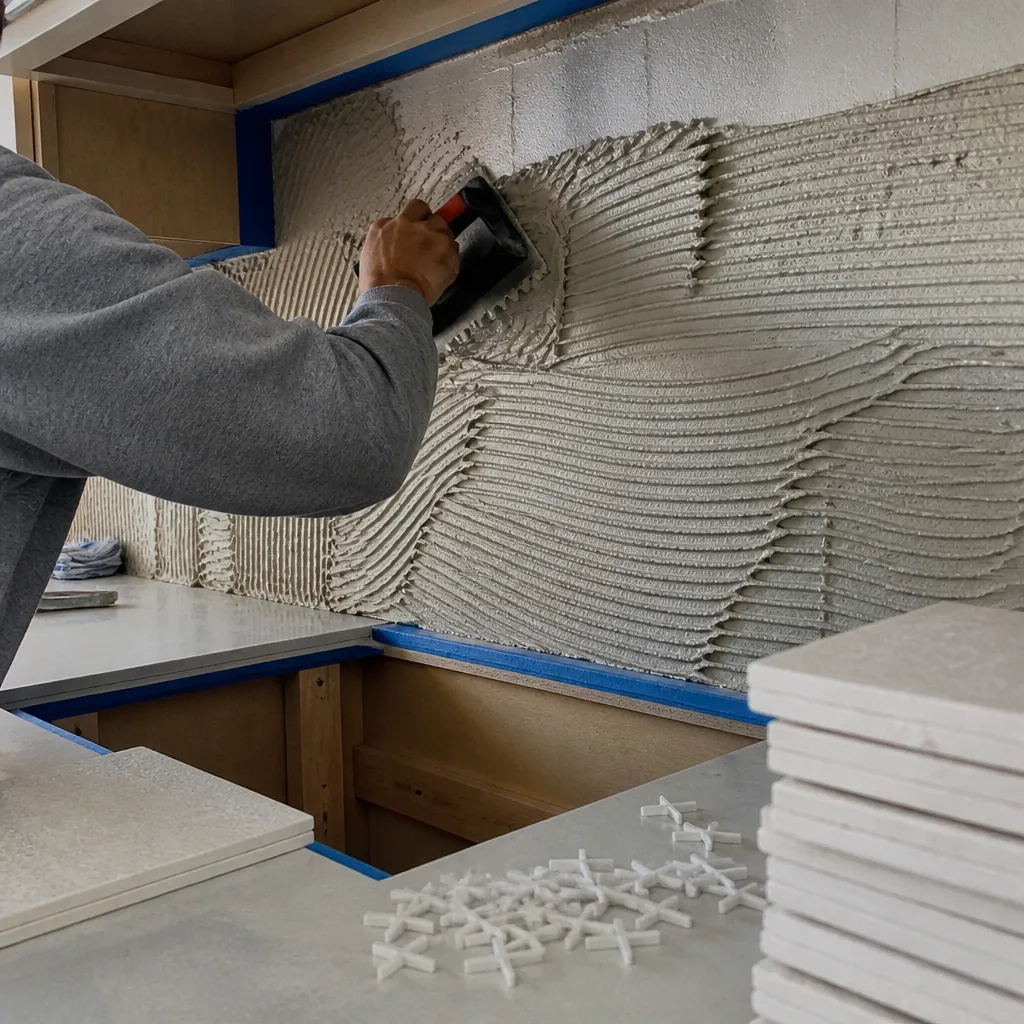
For a Tuff Shed base replacement in Los Angeles, we price by the scope, not by the square foot alone. A typical 10×12 shed base runs toward the lower end of our driveway ranges because the area is small, but access issues (narrow side yards in neighborhoods like Palms, hillside lots in Silver Lake) can push labor toward the higher end. Our written quote includes demolition and haul-away of the failed surface, substrate preparation with mechanical compaction to 95% standard Proctor density, installation of class II road base at 4-6 inches depending on soil report, and the finished surface: poured concrete with fiber mesh and control joints, or Belgard or Techo-Bloc pavers on 1-inch bedding sand with edge restraint. We pull permits when required by LADBS, which is standard for any concrete work over 120 square feet or any modification to an existing driveway apron. Under Clause 1 of the Haven Standard, you get that price in writing before we start, and no change order gets executed without your signature. Our 365-Day Done Right Promise covers the installation; material warranties run through the manufacturer.
DIY or Call Us?
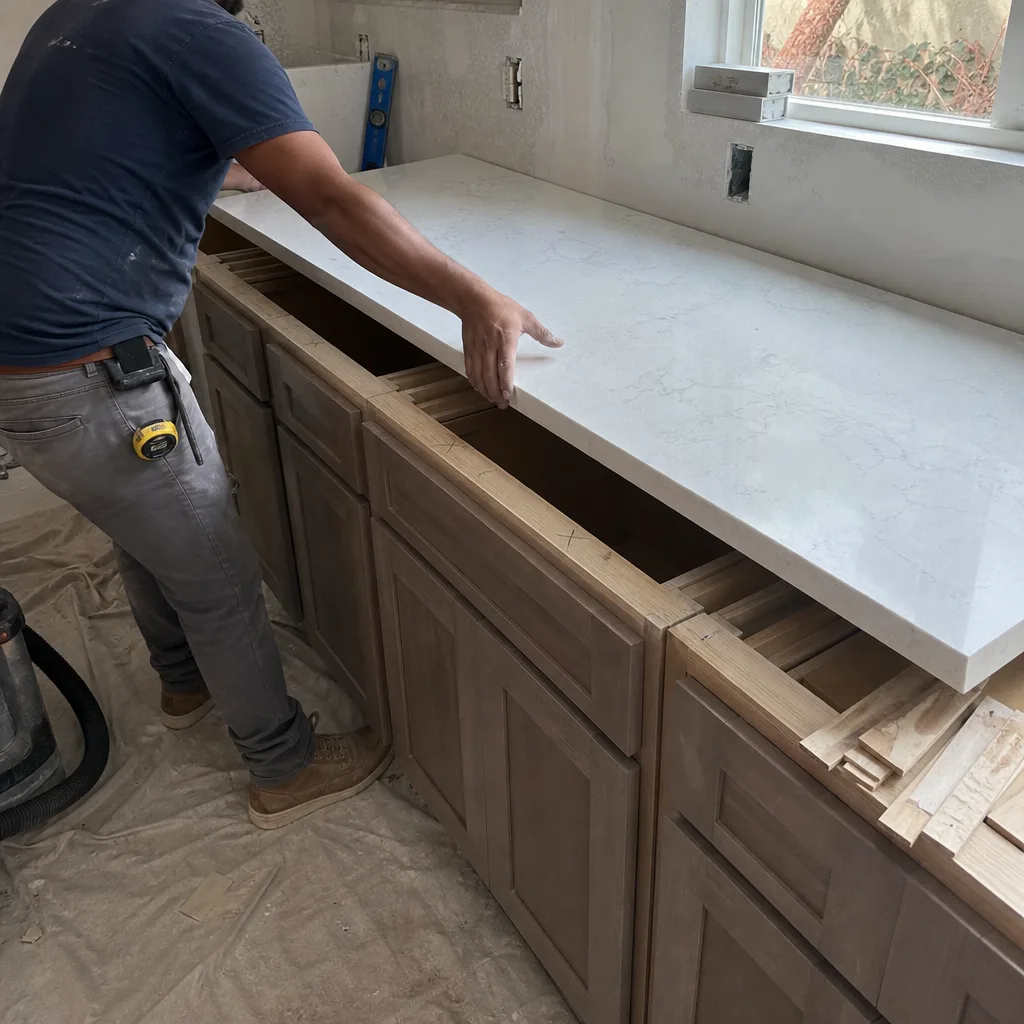
There’s honest work a homeowner can do: measure your Tuff Shed’s actual footprint including the roof overhang, check local setback requirements with LADBS, and verify whether your lot drains toward or away from the shed location. Where DIY goes wrong is in the preparation. We’ve been called to Los Angeles properties where a well-meaning owner poured 4 inches of concrete over loose garden soil; within 18 months the slab had cracked in three places because the soil settled 2 inches. Mechanical compaction isn’t optional, and neither is the substrate layer beneath your finished surface. If your Tuff Shed is on a slope, if you’re cutting into an existing driveway, or if you’re within 10 feet of a property line in a dense neighborhood, the grading and drainage calculations matter. Call (213) 652-7670 and we’ll give you a written price for the scope, or a free second opinion on another contractor’s quote.
FAQs
A properly installed concrete base should last 25-30 years in Los Angeles; paver installations on compacted aggregate typically last 20-25 years before resetting is needed. The limiting factor is usually drainage, not the material itself. In neighborhoods with heavy clay soil and concentrated roof runoff, we’ve seen poorly prepared bases fail in under 5 years. Call (213) 652-7670 for an exact quote on your replacement - estimates are free.
Partial repairs are possible if the damage is limited to one corner or edge and the remaining base is structurally sound. We drill test cores to check the substrate condition beneath; if it’s compacted properly, we can cut back, regrade, and repour or relay pavers in a section. When cracks run through the center or multiple corners have settled, replacement is more cost-effective than chasing individual failures. Call (213) 652-7670 for an exact quote - estimates are free.
Demolition through final surface installation typically takes 2-3 days for a standard 10×12 shed base: one day for removal and substrate prep, one day for forming and pour or paver laying, and a partial day for curing assessment and edge detailing. Concrete requires a 48-hour minimum cure before the shed can be repositioned; pavers can accept load immediately after compaction. Weather delays are rare in Los Angeles but we build them into the schedule. Call (213) 652-7670 for an exact quote - estimates are free.
We don’t stock poured concrete on the truck, but we maintain ready access to the specific material grades Tuff Shed bases require: 3/4-inch crushed aggregate for substrate, ASTM C33 concrete sand for bedding, and Belgard and Techo-Bloc paver inventories through our Los Angeles suppliers. For concrete work, we batch to spec on site. Our crews arrive with compaction equipment, forms, and reinforcement; the mix or pavers follow based on your written scope. If it’s not written down, it didn’t happen. Call (213) 652-7670 for an exact quote - estimates are free.
Ready to get your Tuff Shed back on solid ground? Call (213) 652-7670 to schedule your free estimate. We’ll measure your footprint, assess your substrate, and deliver a written price before any work starts - that’s Clause 1 of the Haven Standard, and it’s how we’ve kept 4,000-plus projects within a few percent of the agreed number since 2007.
Written by Grant Rowan, Owner, Rowan Construction Group Los Angeles at Rowan Construction Group Los Angeles, serving Los Angeles and nearby areas.