
Free written scope consultation - allowances, timeline, and change-order rules on paper before a single trade is scheduled
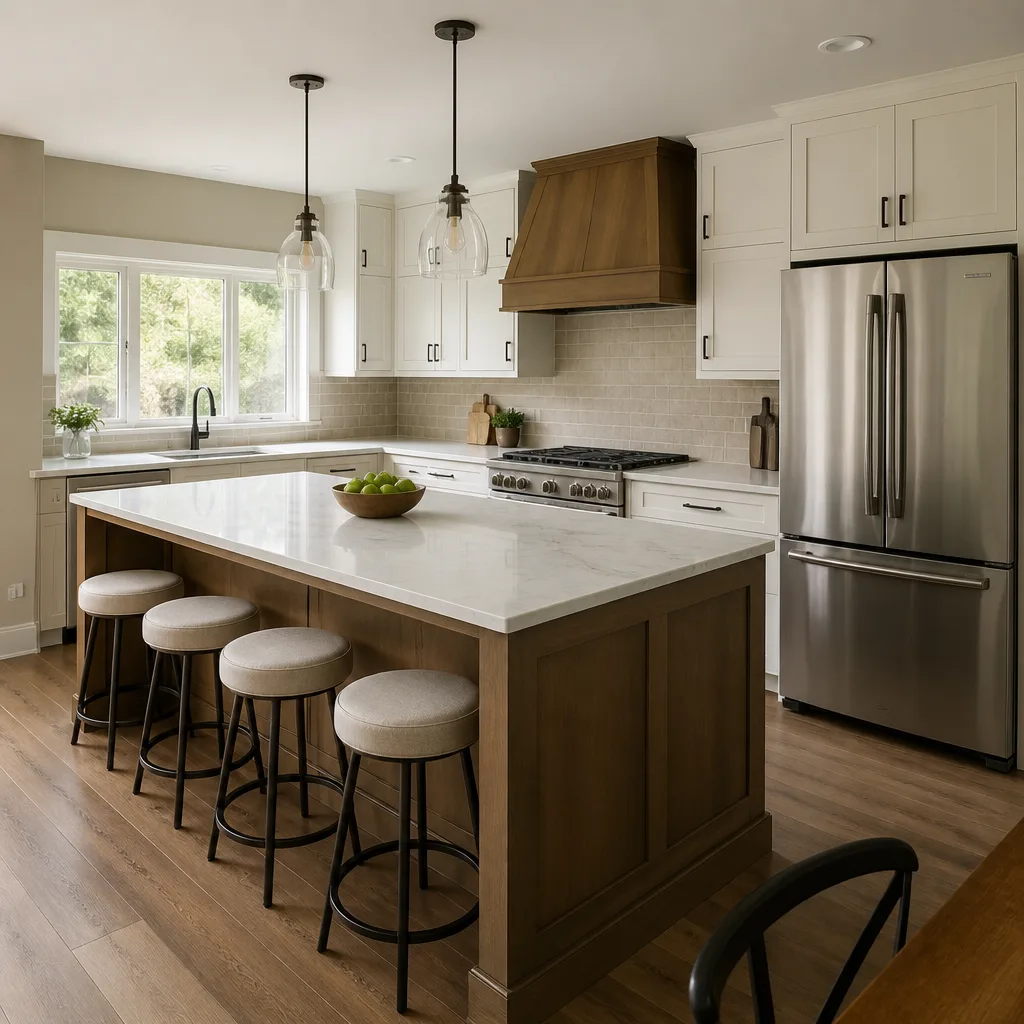
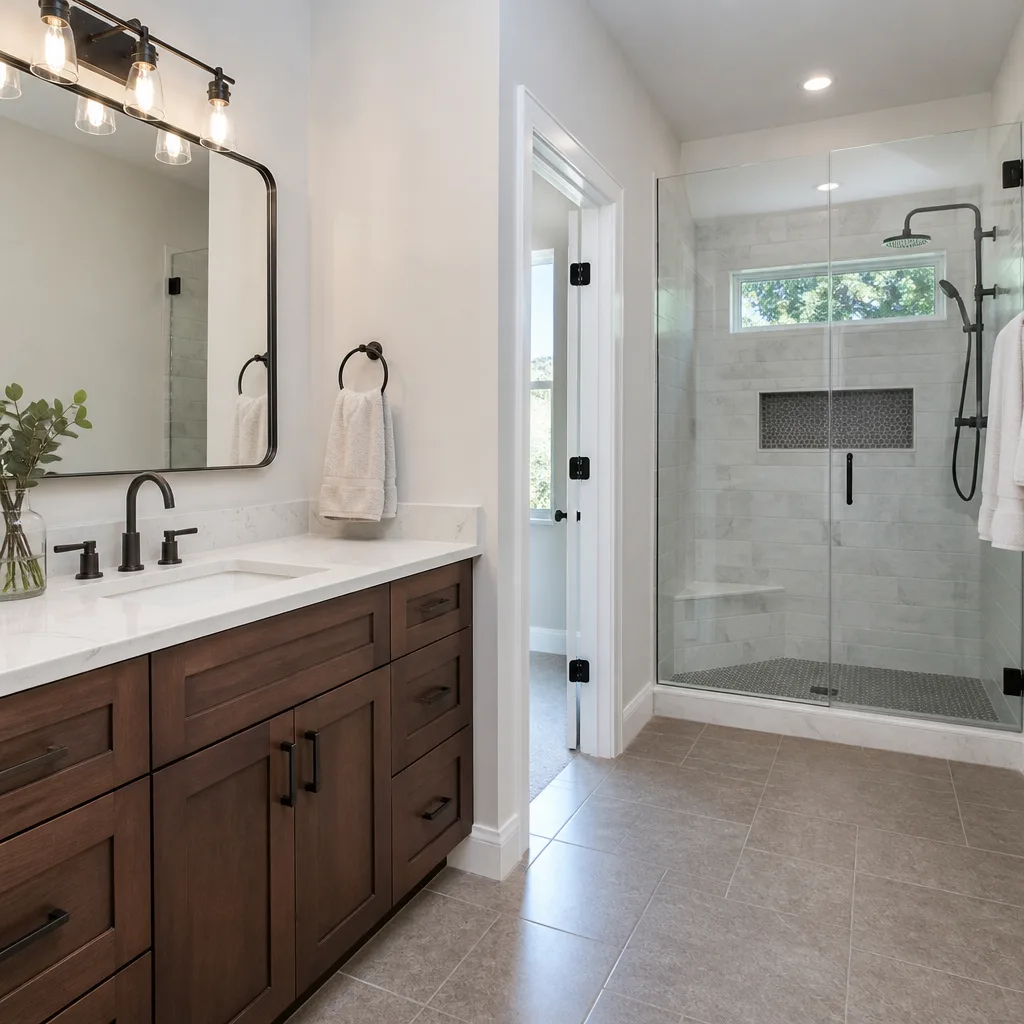
 Before
 After
After Before
 After
After Before
 After
AfterJames Hardie Home Additions & ADU: The Los Angeles Owner’s Guide
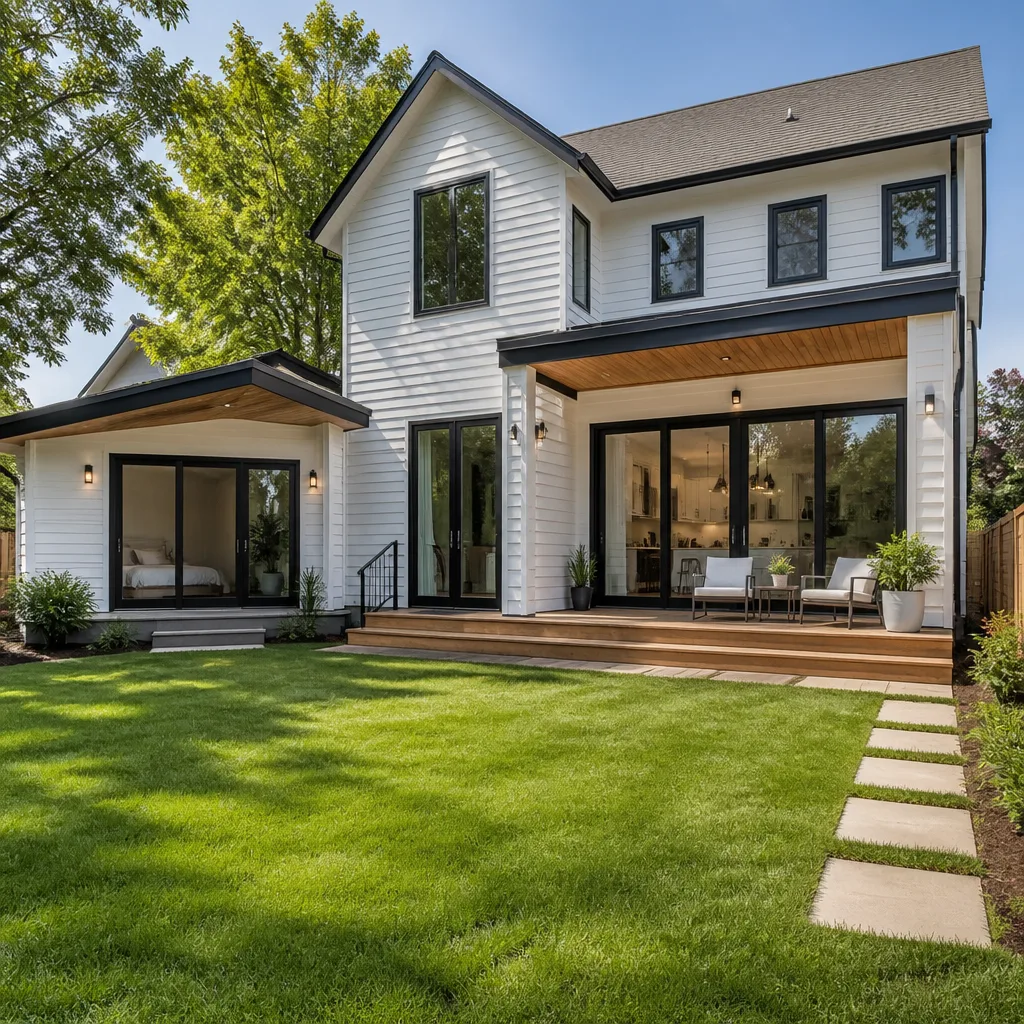
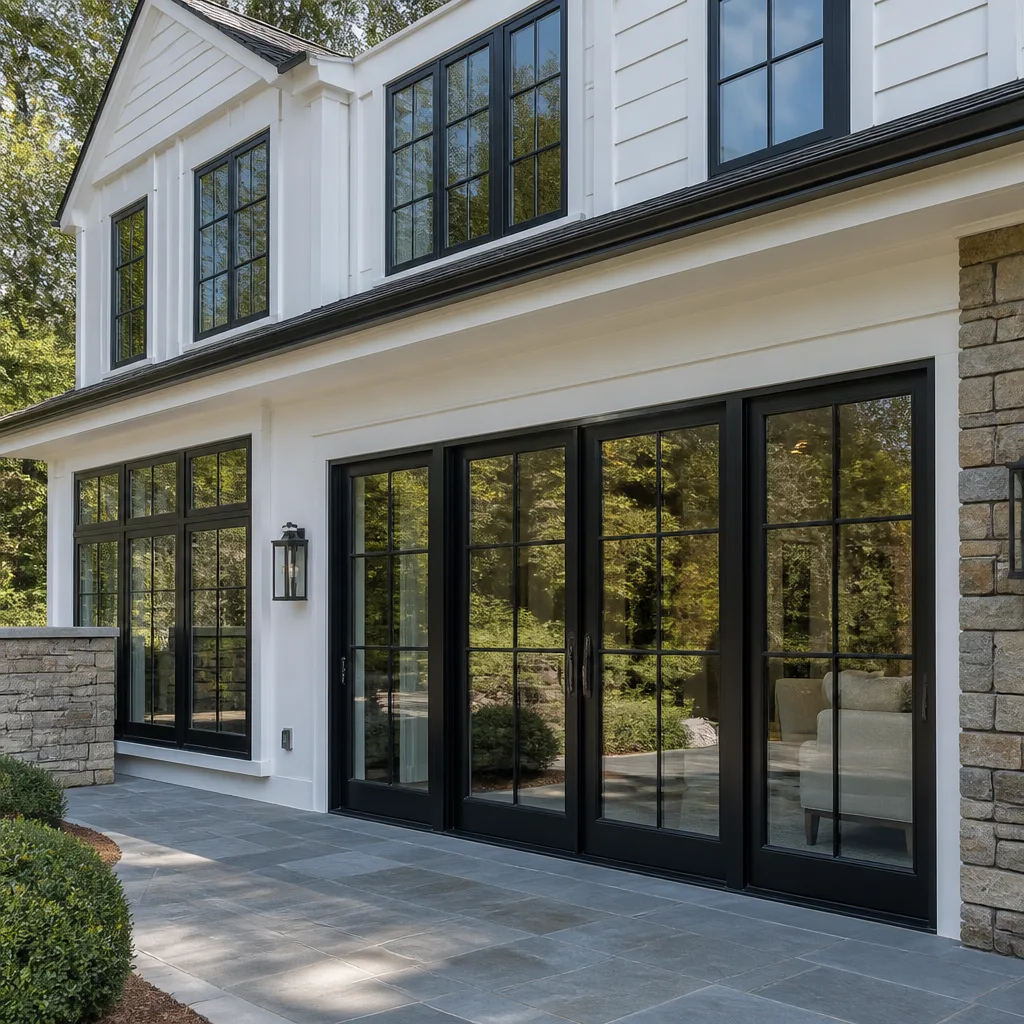
James Hardie fiber-cement siding and trim for home additions and ADUs in Los Angeles typically run $53,100 to $153,400 installed, depending on square footage, structural tie-in complexity, and whether you’re building up or out. We stock HardiePanel vertical siding, HardiePlank lap siding, and HardieTrim boards in the most common Los Angeles colors, including Custom Color matches for Santa Monica, Silver Lake, and Pasadena architectural review requirements. Most Hardie-compatible addition projects in the Los Angeles basin can be quoted within 48 hours and started within two to three weeks once permits clear.
Homeowners usually discover their James Hardie addition needs attention when they spot cracking at the butt joints, moisture staining behind the siding at the addition-to-existing wall transition, or warping in the trim boards around new windows. In Los Angeles, these failures almost always trace back to one of three installation shortcuts: missing or improperly lapped housewrap at the tie-in, inadequate expansion gaps left at the ends of HardiePlank runs, or fasteners driven too deep, which fractures the fiber-cement face and lets water wick in during our rare but heavy winter rains.
Which James Hardie Models This Applies To
We work with the full James Hardie exterior product line on additions and ADUs in Los Angeles, but the specific components vary by project type and what your architect or designer specified.
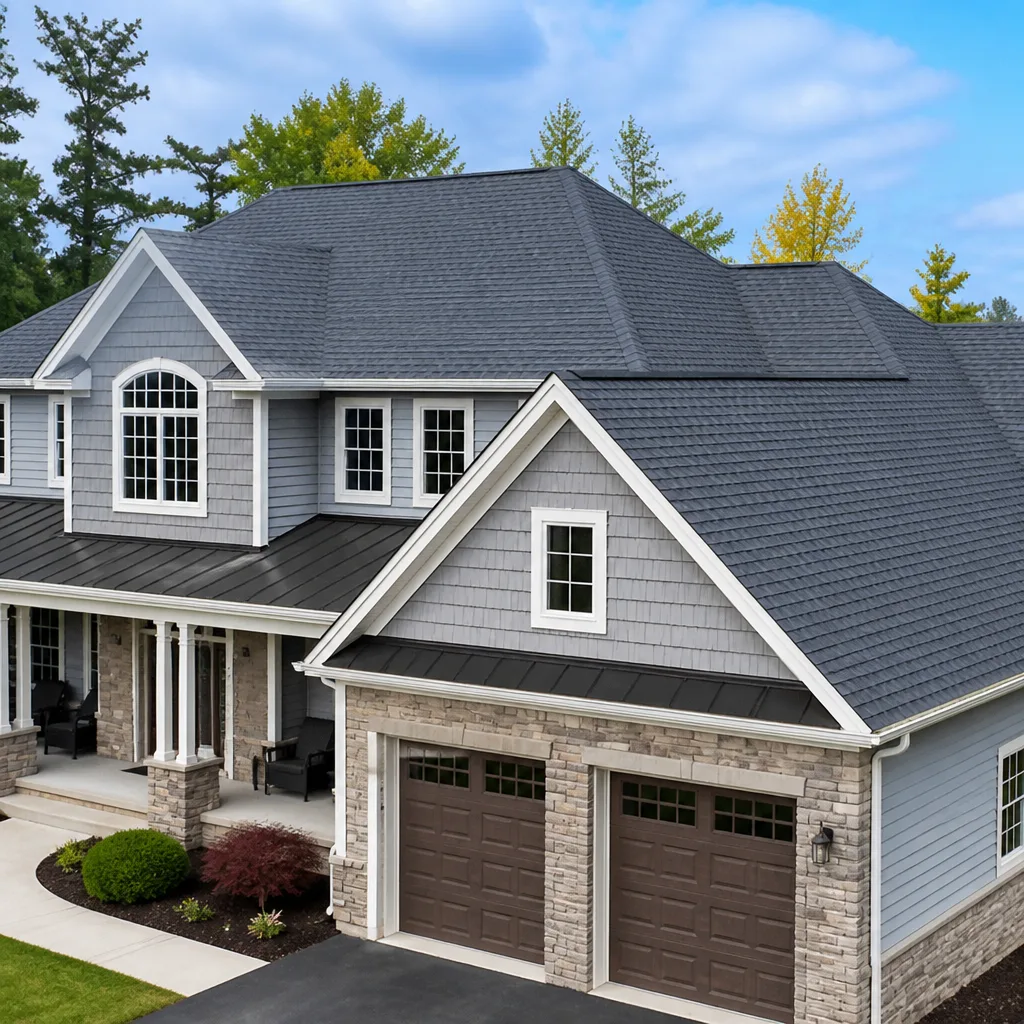
HardiePlank lap siding comes in 5/16-inch and 7/16-inch thicknesses, with exposures from 4 inches to 8 inches. The 7/16-inch product is what we see specified most often on Los Angeles ADUs because it meets the stricter wind-load requirements in hillside zones like Mount Washington and Echo Park. Check the nail-line marking on the top edge of a sample board, or look for the stamped product code on the back, which starts with “HZ5” for our climate zone or “HZ10” if your original contractor sourced from a coastal distributor by mistake.
HardiePanel vertical siding is common on modern additions in Venice and Culver City, typically in 4-by-8 or 4-by-10 sheets. The key compatibility issue here is the trim system: HardiePanel requires either HardieTrim 4/4 boards or a compatible aluminum break-metal trim, and mixing manufacturers on the same plane creates expansion-rate mismatches that show up as buckling within two to three years.
HardieTrim boards are not interchangeable with wood or PVC trim. They’re 3/4-inch thick, pre-primed or ColorPlus finished, and fastened with 2-inch stainless steel siding nails at 16 inches on center. We keep 1×4, 1×6, and 5/4×4 HardieTrim in stock for Los Angeles jobs because it’s the most common repair item on existing additions where the original installer used pine trim and it rotted at the sill.
Rowan Construction Group Los Angeles is an independent contractor, not affiliated with James Hardie. We source through authorized distributors and can match existing ColorPlus finishes from the current Los Angeles palette, including Monterey Taupe, Iron Gray, and Arctic White.
Signs Your James Hardie Home Additions & ADU Is Failing
- Cracking or flaking at the bottom edge of planks. This is almost always water intrusion from a missing or torn drip cap above a window or door. In Los Angeles, the dry months hide the problem; the first winter rain saturates the bottom edge, freezes rarely but expands the fiber cement, and the face pops. We find this most often on additions built between 2015 and 2019, when contractors rushed to meet the ADU ordinance deadline.
- Gaps opening between siding boards at the seams. HardiePlank requires 1/8-inch gaps at butt joints, painted with ColorPlus touch-up or caulked with a paintable sealant. If the original installer butted boards tight, seasonal expansion and contraction in the Los Angeles sun opens cracks that let water behind. The fix is not caulk alone; it’s removing the affected runs and reinstalling with proper gaps.
- Soft or discolored drywall inside, directly behind the addition wall. This means water is getting past the siding, past the housewrap, and into the cavity. On James Hardie additions, the usual culprit is a reverse-lap at the flashing where the new roof meets the existing wall, or housewrap that was not taped at the seams and has become a funnel rather than a drain.
- Nail pops or rust streaks running down the face of the siding. Hardie specifies corrosion-resistant fasteners, minimum 0.090-inch shank, driven flush to the surface but not countersunk. Roofing nails, standard drywall screws, or over-driven fasteners fracture the board and create a wicking path. The rust streaks are your warning that the fastener is failing and the board is loose.
- Trim boards pulling away from the corner or swelling at the bottom. HardieTrim is not structural; it needs backer strips and proper end-dam flashing. When we see this in Los Angeles, it’s usually on additions where the contractor used wood backer that got wet, swelled, and pushed the trim outward. The repair involves removing the trim, replacing the backer with composite or pressure-treated material, and reinstalling with proper clearances.
 Before
 After
AfterReplacement Cost & What’s Included
| Project Type | Los Angeles Price Range | What’s Included |
|---|---|---|
| Home Addition (Hardie siding, full build) | $53,100 - $153,400 | Structural framing, HardiePlank or HardiePanel, HardieTrim, housewrap, fasteners, paint or ColorPlus finish, permits, inspections |
| ADU Construction (Hardie exterior, detached) | $106,200 - $259,600 | Foundation to finish, including utility tie-ins, full Hardie siding package, roofing, windows, doors |
| Garage Conversion (Hardie re-skin or new) | $35,400 - $94,400 | Framing modifications, insulation, Hardie siding, trim, window/door cutouts as needed |
| Hardie Siding Repair (localized, per area) | $2,950 - $8,850 | Removal of damaged boards, substrate inspection, replacement with matched product, touch-up or spot paint |
| HardieTrim Replacement (per linear foot) | $18 - $35 | Removal, backer inspection/replacement, new trim, proper fasteners, sealant |
The wide range on full additions reflects three variables: whether you’re building on a slab or raised foundation, how complex the roof tie-in is, and whether your Los Angeles neighborhood requires design review or historic compatibility. Under Clause 1 of the Haven Standard, we deliver a written flat price before any work starts, with every line item specified, including the James Hardie product series, the fastener schedule, and the paint brand if we’re finishing on site.
Our 365-Day Done Right Promise covers the installation workmanship. James Hardie’s own product warranty, which we register on your behalf, covers material defects for 30 years on siding and 15 years on ColorPlus finish.
DIY or Call Us?
There’s a clear line between what a homeowner can safely assess and what requires a crew.
What you can check: Walk the exterior with binoculars and look for the symptoms above. Tap suspect boards with a screwdriver handle; solid Hardie sounds sharp and hard, while moisture-damaged board sounds dull. Check the ground at the base of the addition for fiber-cement dust or fragments, which indicate ongoing deterioration. Photograph everything; our documented photo record standard applies to our work, but your own documentation helps us quote accurately when you call.
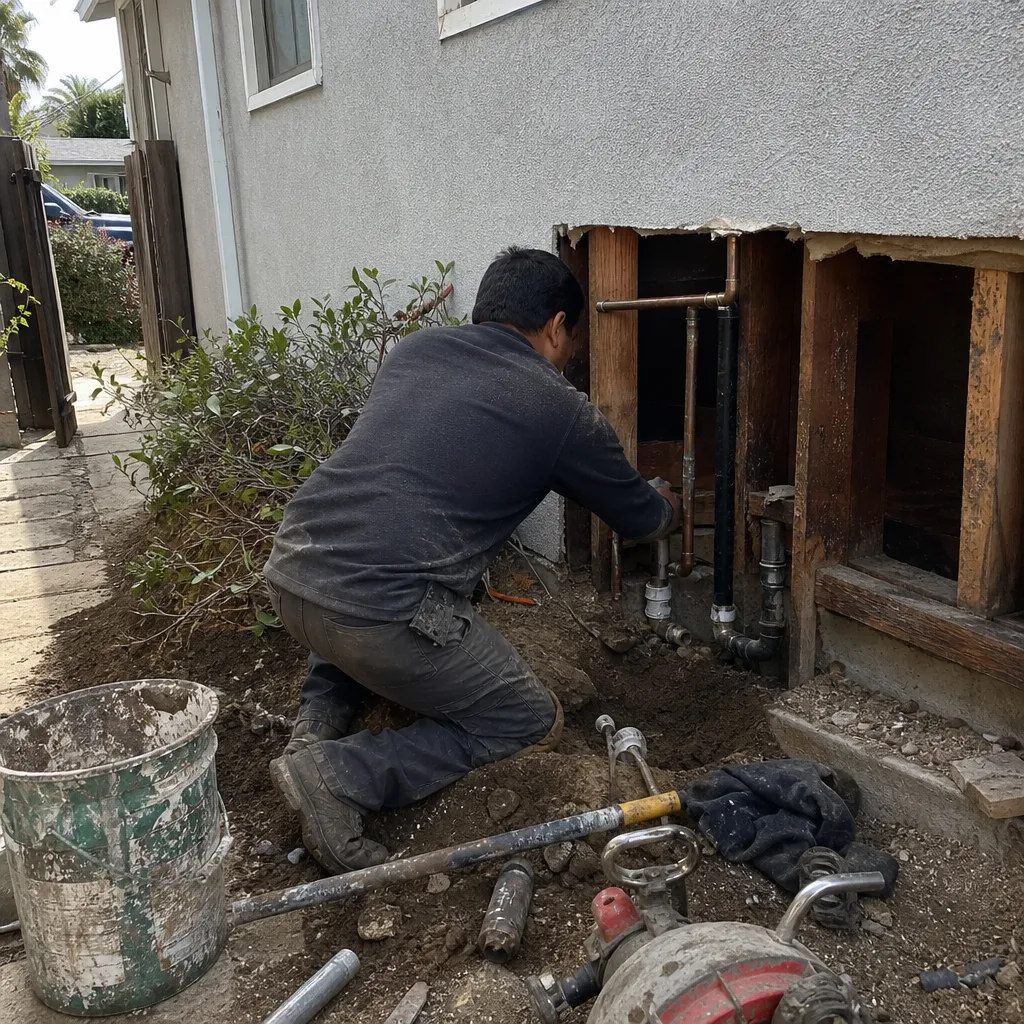
Where DIY goes wrong: Cutting fiber-cement without a HEPA vacuum and proper respirator creates silica exposure that OSHA regulates strictly for a reason. Removing more than a few boards risks destabilizing courses above. Most importantly, the waterproofing layer behind the siding, not the siding itself, is what keeps your addition dry; opening the wall without knowing how to inspect and restore housewrap, flashing, and drainage plane continuity invites mold and structural damage that costs ten times the original repair.
We’re not going to tell you a full addition is a weekend project. If you’re seeing the warning signs above, call (213) 652-7670 and we’ll schedule a free estimate. We’ll show you exactly what we found, photograph it, and put the repair scope and price in writing before anyone picks up a tool. If it’s not written down, it didn’t happen.
FAQs
Properly installed James Hardie siding lasts 30 to 50 years in the Los Angeles climate, with ColorPlus finish holding up 15 years before significant fading. The limiting factor is usually not the board but the installation details: flashing, fastener corrosion, and expansion gaps. We see premature failure at 8 to 12 years when any of those three were skipped. Call (213) 652-7670 for an inspection if your addition is in that window.
Localized repair is possible if the damage is limited to a few courses and the substrate behind is dry and intact. We remove the affected boards, inspect the sheathing with a moisture meter, replace any compromised housewrap, and install new Hardie product matched to the existing exposure and color. If the damage extends to the framing or if the original installation was systemically flawed, partial or full re-siding is the honest recommendation. Our free estimate includes both options where applicable.
Localized repairs on an existing addition typically take 2 to 4 days, including drying time for sealants and primer. A full home addition with James Hardie exterior runs 8 to 16 weeks from foundation to final paint, depending on permit timelines in your Los Angeles jurisdiction and the complexity of the structural tie-in. ADUs average 4 to 6 months in Los Angeles due to LADBS plan check and utility coordination. We build realistic schedules into every written quote.
We stock HardieTrim in common sizes and keep a rotating inventory of HardiePlank in the most popular Los Angeles colors. HardiePanel and Custom Color orders typically arrive within 5 to 10 business days from the Carson or City of Industry distribution centers. For repairs, we can often match existing ColorPlus from our stock or source a single-case order without the freight penalty of a full truck. Call (213) 652-7670 with your product code or a photo of the existing siding, and we’ll confirm availability before we schedule.
Written by Grant Rowan, Owner, Rowan Construction Group Los Angeles at Rowan Construction Group Los Angeles, serving Los Angeles and nearby areas.