
Free written scope consultation - allowances, timeline, and change-order rules on paper before a single trade is scheduled
 Before
 After
After Before
 After
After Before
 After
AfterAmeristar Home Additions & ADU: The Los Angeles Owner’s Guide
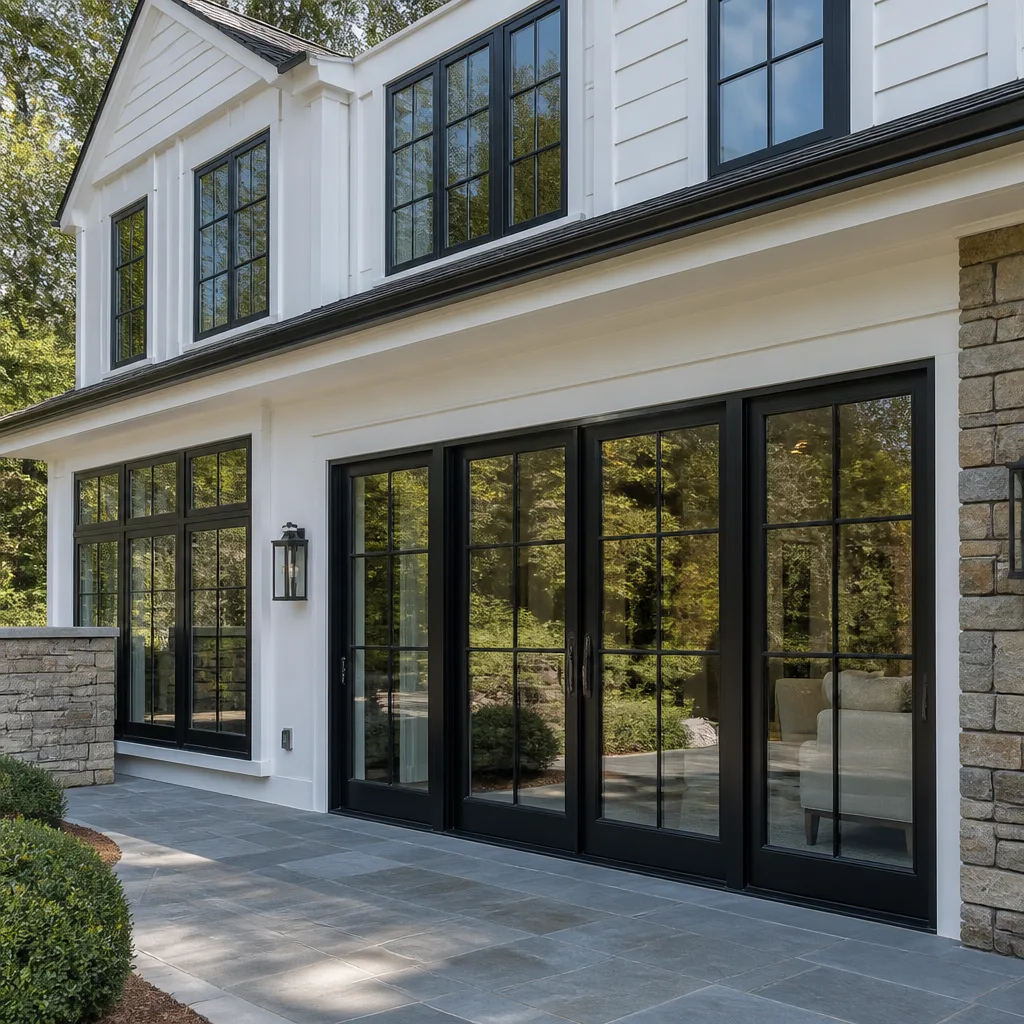
Rowan Construction Group Los Angeles installs Ameristar-compatible home additions and ADU systems, with typical installed pricing in Los Angeles running $53,100-$153,400 for full additions and $106,200-$259,600 for detached ADUs. We stock Ameristar-compatible structural components, connection hardware, and finishing systems for same-day assessment and rapid project initiation. Most Los Angeles homeowners discover their Ameristar addition or ADU needs attention when they spot water intrusion at the addition-to-existing seam, feel a noticeable temperature differential across the new wall plane, or notice the subfloor has developed a spring that wasn’t there after the original walk-through.
Which Ameristar Models This Applies To
Ameristar’s modular and panelized home addition systems, including their stick-built compatible wall panels and pre-engineered roof truss packages, are specified by series number and manufacturing date. The critical identifier is the metal data plate fastened to the structural header in the utility chase, usually near the electrical panel or HVAC junction. That plate carries a six-digit lot code and a revision letter that tells us which connection bracket, which vapor barrier spec, and which seismic strap spacing your system was built to.
We’ve worked on Ameristar Series 200 through Series 500 wall panels in Los Angeles, plus the pre-2018 roof truss systems that used a different hurricane tie pattern than current California code requires. The OEM bracket from Ameristar runs about 40% above a structurally equivalent Simpson Strong-Tie equivalent, and in most Los Angeles jurisdictions the inspector will accept either if the load rating matches the engineered drawing. We carry both on our trucks because the permit status of the original installation often dictates which path we take. If your addition was built without permits, we typically specify the OEM part to eliminate any question during the compliance review that Los Angeles Department of Building and Safety now requires for ADU conversions.
Signs Your Ameristar Home Addition or ADU Is Failing
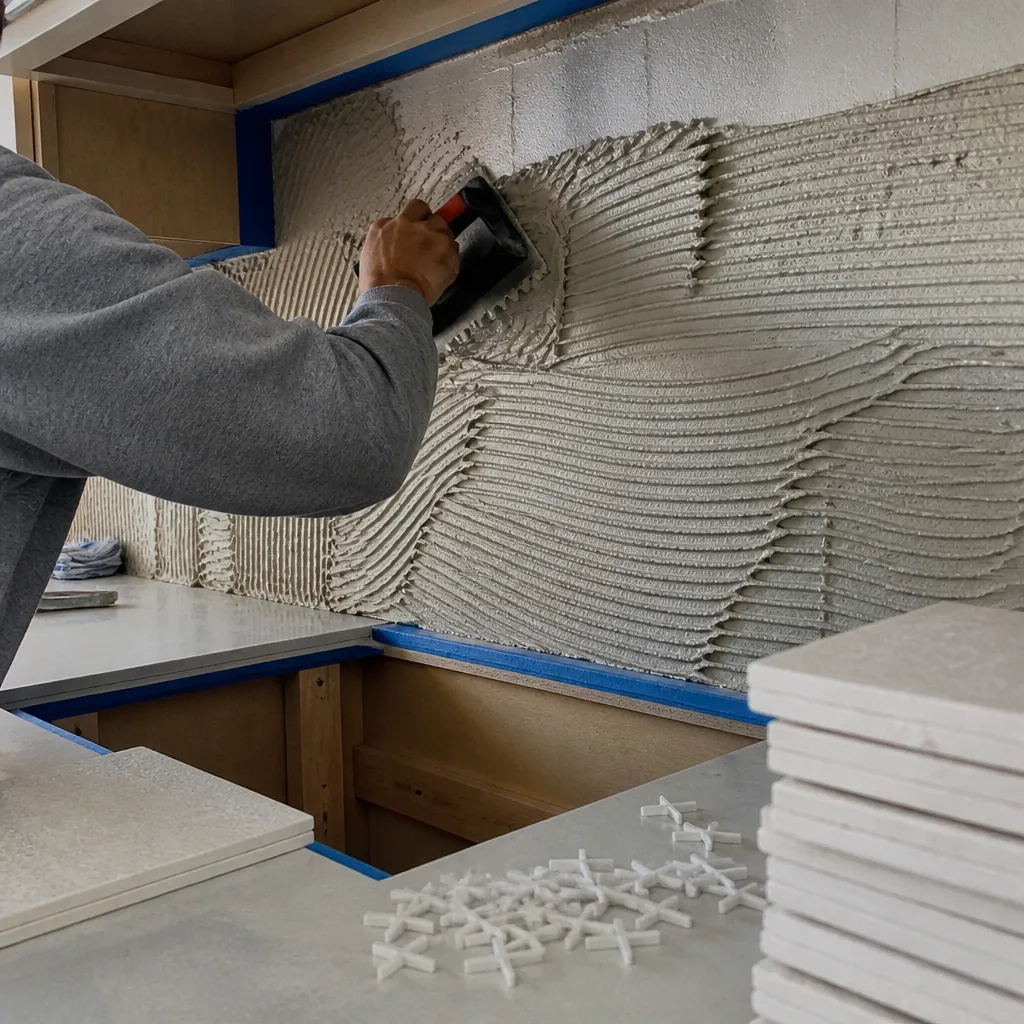
- Visible separation at the existing-to-addition seam. The Ameristar connection detail relies on a specific slip joint that accommodates differential settlement. When that joint packs with debris or the sealant ages past its ten-year service life, the gap widens and water tracks behind the siding. We see this most often on south-facing walls in Los Angeles where thermal cycling is highest.
- Sagging or bouncy floor in the addition footprint. Ameristar’s panelized floor systems use a 2×10 or engineered I-joist span table that assumes continuous bearing. If the original crew shortened the bearing surface or used the wrong hanger model, the joist begins to deflect. The spring you feel is the wood fiber compressing at the hanger knife edge.
- Condensation on interior windows or wall plates. Ameristar’s vapor barrier detail changed in 2016 from a kraft-faced batt to a continuous poly sheet. If your system predates that change and the facing was installed backward, warm moist interior air condenses on the cold sheathing in winter. In Los Angeles, this shows up January through March when overnight lows drop below 50 degrees.
- Cracked drywall at ceiling corners. This is usually truss uplift, not foundation settlement. Ameristar’s pre-engineered trusses are designed with a specific bottom chord bearing detail that allows seasonal movement. When the drywall is fastened too tightly to the truss bottom chord, the seasonal 1/4-inch lift cracks the tape joint every spring and fall.
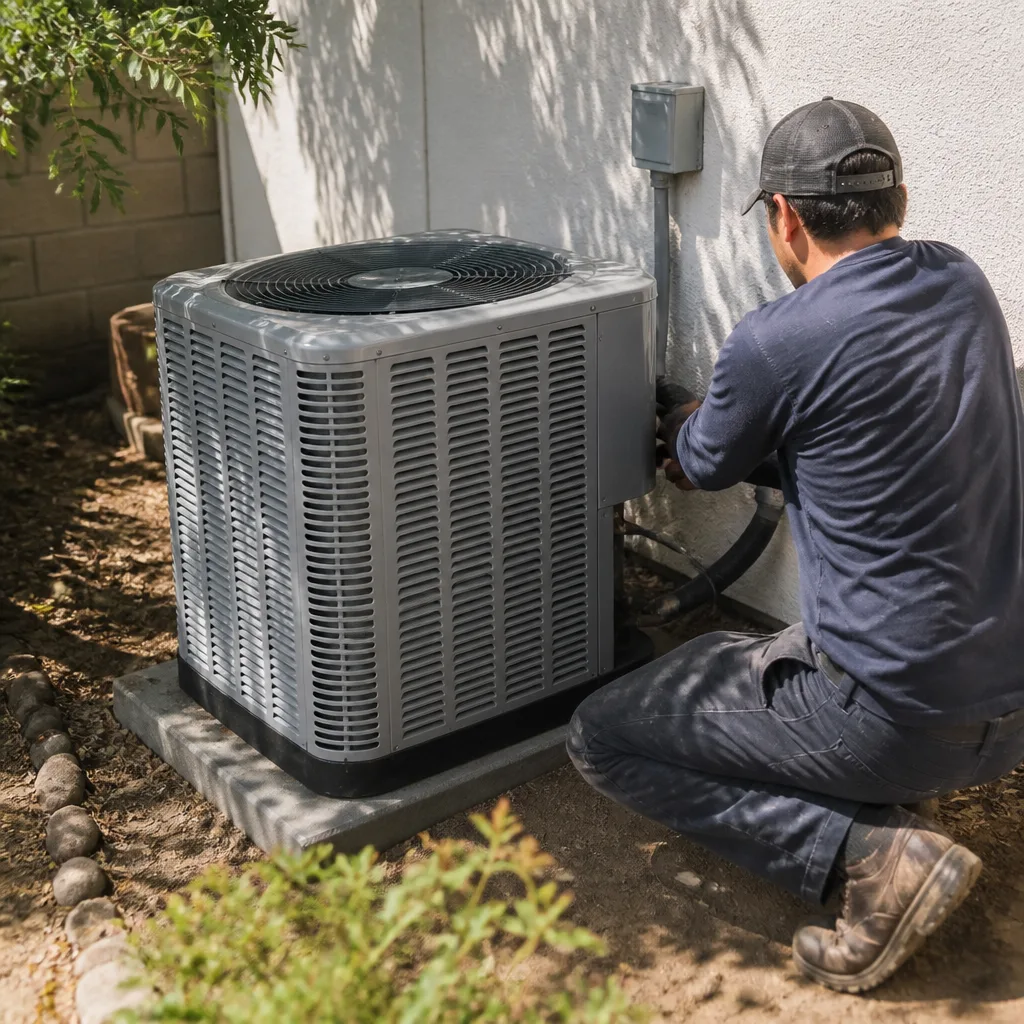
- HVAC short-cycling or inability to maintain setpoint. Ameristar additions often use a ductless mini-split or a tapped trunk line. If the load calculation didn’t account for the higher infiltration rate at the panel seams, the system is oversized and cycles on and off before dehumidifying. The part that fails is the control logic, but the root cause is the envelope.
 Before
 After
AfterReplacement Cost & What’s Included
| Component/System | Los Angeles Installed Range |
|---|---|
| Ameristar-compatible structural repair (connection bracket, seismic strap, header reinforcement) | $4,720-$15,340 |
| Vapor barrier remediation with continuous poly and proper taping | $2,360-$7,670 |
| Floor system reinforcement (sistered joists, additional bearing) | $5,310-$14,160 |
| Full Ameristar home addition, turnkey | $53,100-$153,400 |
| Detached ADU construction, including Ameristar panelized shell | $106,200-$259,600 |
The spread on these numbers comes down to three factors: whether the original installation was permitted (unpermitted work requires a higher level of documentation and often structural verification), the access conditions (a hillside lot in Silver Lake costs more to mobilize on than a flat pad in Culver City), and whether we’re matching existing finishes or specifying new. Every quote we deliver is a flat written price with line-item scope, signed before any work starts. Under Clause 1 of the Haven Standard, that number does not change unless you sign a change order. Our 365-Day Done Right Promise covers the workmanship, and the documented photo record from every visit is included, not optional.
DIY or Call Us?
There’s a short list an owner can safely check. Verify the data plate series and lot code. Photograph any crack pattern with a ruler in frame for scale. Confirm whether the original permit is on file with LADBS using their online portal. These steps cost nothing and tell us exactly what we’re walking into.
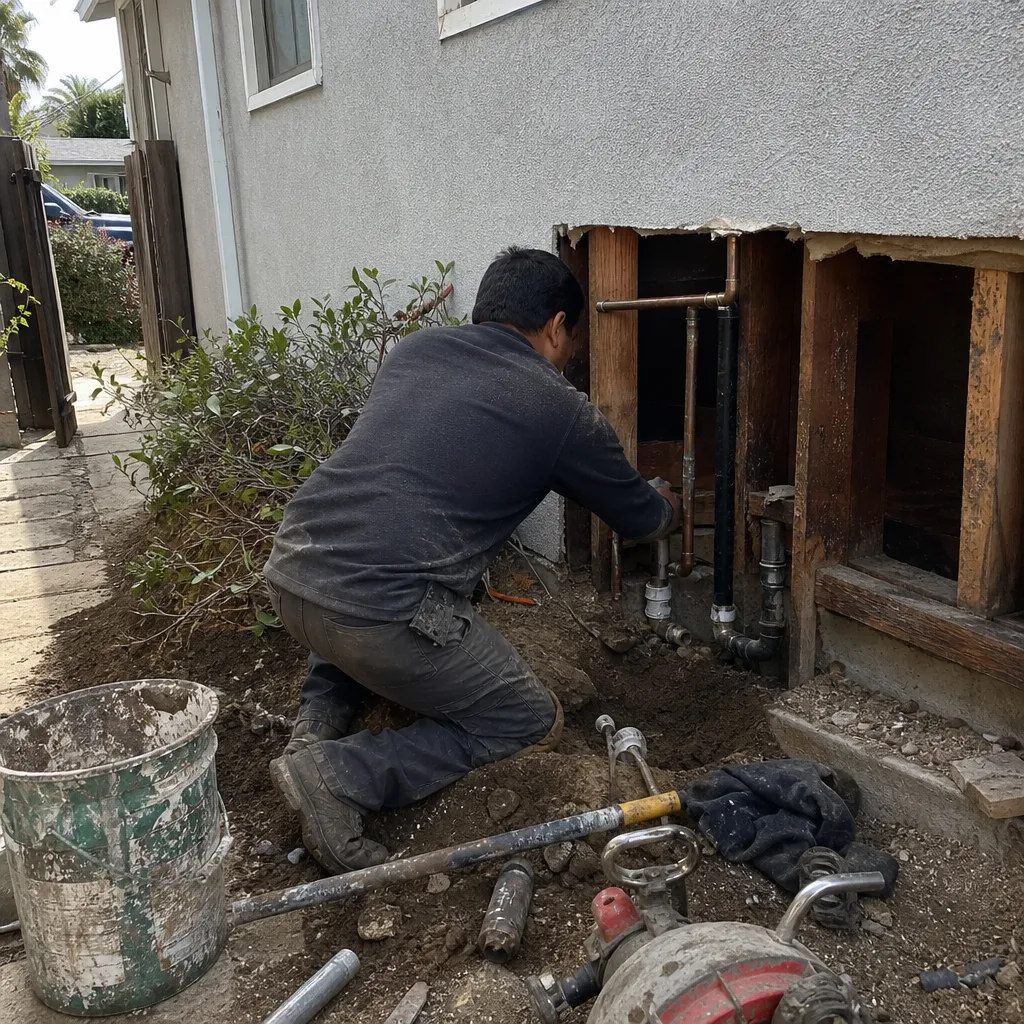
What goes wrong fast: cutting into a wall panel to inspect the connection without confirming electrical and plumbing routing first, or jacking a sagging floor without calculating the load path back to the foundation. Ameristar panels are built with specific chase locations for utilities, but field modifications by previous owners often reroute them. We’ve found live Romex stapled to the backside of OSB sheathing where the standard detail calls for a two-inch clearance. If it’s not written down, it didn’t happen - and too often, what the previous owner did was not written down.
For anything involving structural load, gas line relocation, or electrical subpanel work, the permit and the liability both point toward a licensed contractor. Call (213) 652-7670 and we’ll schedule a free assessment with a written quote before any tools come out.
FAQs
The structural frame is rated for 50-plus years, but the sealant, vapor barrier, and connection hardware have service lives of 10-15 years in Los Angeles’ sun exposure and mild seismic cycling. We recommend a walk-through inspection at year 10 to catch sealant degradation before water intrusion starts. Call (213) 652-7670 to schedule - estimates are free.
Connection brackets and seismic straps are replaceable individually if caught before corrosion compromises the fastener embedment. Vapor barrier and sealant are consumables - they don’t repair, they get renewed. We evaluate each component and tell you which category yours falls into. Call (213) 652-7670 for an exact quote - estimates are free.
Structural connection repairs run 2-4 days. A full addition from foundation to finish averages 4-6 months in Los Angeles, with ADUs often stretching to 8-10 months due to LADBS plan check timelines. We build that schedule into the written scope so you know the sequence before we start. Call (213) 652-7670 to review the timeline for your specific project.
We carry Ameristar-compatible connection brackets, seismic hardware, vapor barrier rolls, and the specific fasteners for their panel-to-panel joint detail. Series-specific trim and finish items we order to match after the assessment. For the structural items that stop water or stabilize the frame, same-day installation is standard. Call (213) 652-7670 to confirm availability for your series.
Rowan Construction Group Los Angeles is an independent contractor and is not affiliated with Ameristar. We also stock and install compatible parts and systems from KraftMaid, Cambria, and Silestone.
Written by Grant Rowan, Owner, Rowan Construction Group Los Angeles at Rowan Construction Group Los Angeles, serving Los Angeles and nearby areas.