
Free written scope consultation - allowances, timeline, and change-order rules on paper before a single trade is scheduled
 Before
 After
After Before
 After
After Before
 After
AfterBoxabl Home Additions & ADU: The Los Angeles Owner’s Guide
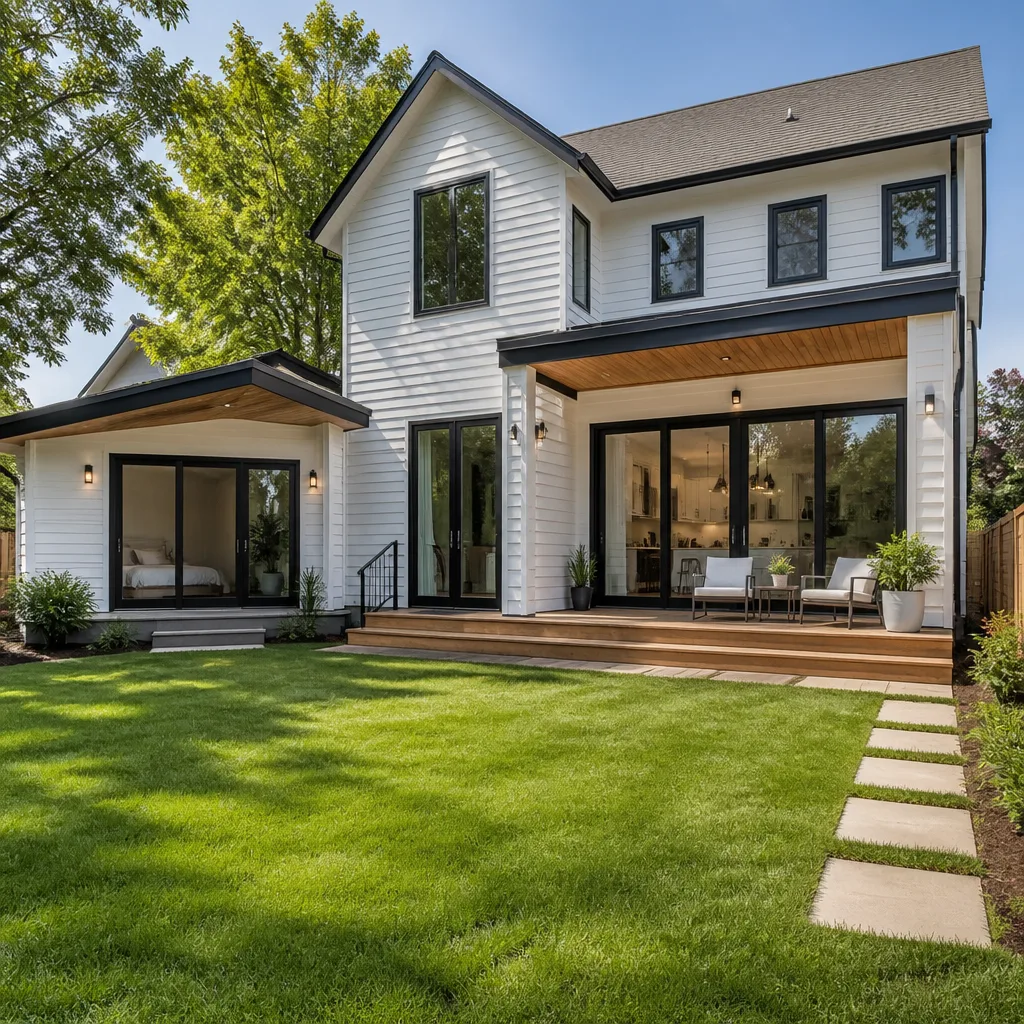
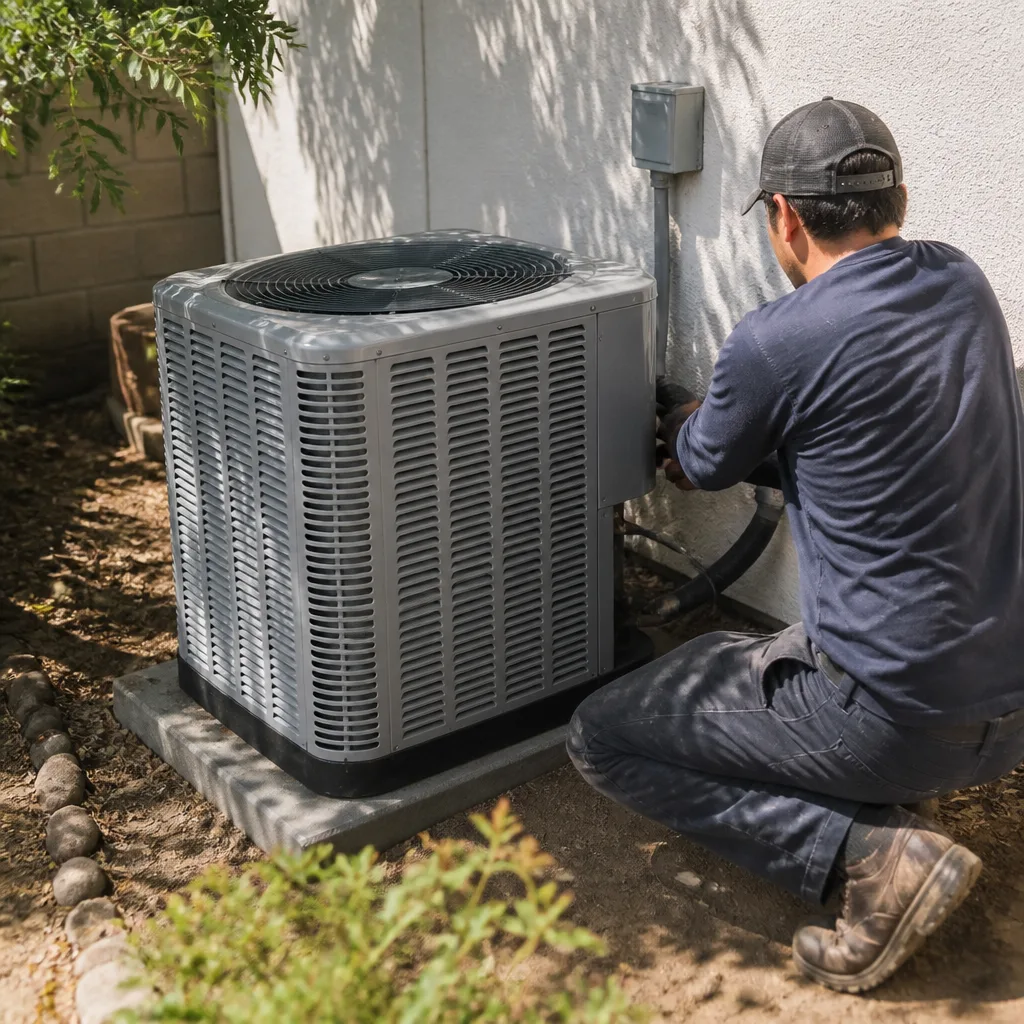
Boxabl home additions and ADU units in Los Angeles typically run $53,100 to $153,400 installed, depending on whether you’re connecting a Casita module to existing utilities or building a standalone ADU with full kitchen and bath rough-in. We stock Boxabl-compatible connection hardware, seismic anchoring kits, and utility interface components, and we can usually schedule site evaluation within 48 hours. Most Los Angeles owners first realize something’s wrong when the module-to-structure gap shifts after Santa Ana wind events, or when the utility chase shows moisture staining that wasn’t there at final walkthrough.
Which Boxabl Models This Applies To
Boxabl currently ships the Casita as its primary residential module, a 361-square-foot unit with a 19-foot-6-inch transport width that expands on-site to roughly 20 by 35 feet. The connection system uses a proprietary steel frame interface with pre-drilled anchor points at 24-inch centers, and the utility chase runs along the module’s long wall, not through the floor, which surprises some owners who expect conventional slab penetration. We also see early-accessory units from the 2021-2023 production run that used a different flange profile on the roof-to-wall junction; those require adapter plates that Boxabl no longer manufactures, though we’ve sourced compatible third-party hardware through our relationship with structural steel suppliers in Vernon.
To identify your unit, check the data plate inside the electrical panel door for the four-digit production week and year. Units built week 40 of 2022 and later use the current flange standard. If your plate reads earlier, call us before ordering parts; the adapter run is limited and we’ve seen two-week delays when owners guess wrong. We’re independent of Boxabl, which means we can source across their catalog and equivalent structural systems without channel restrictions.
Signs Your Boxabl Home Additions & ADU Is Failing
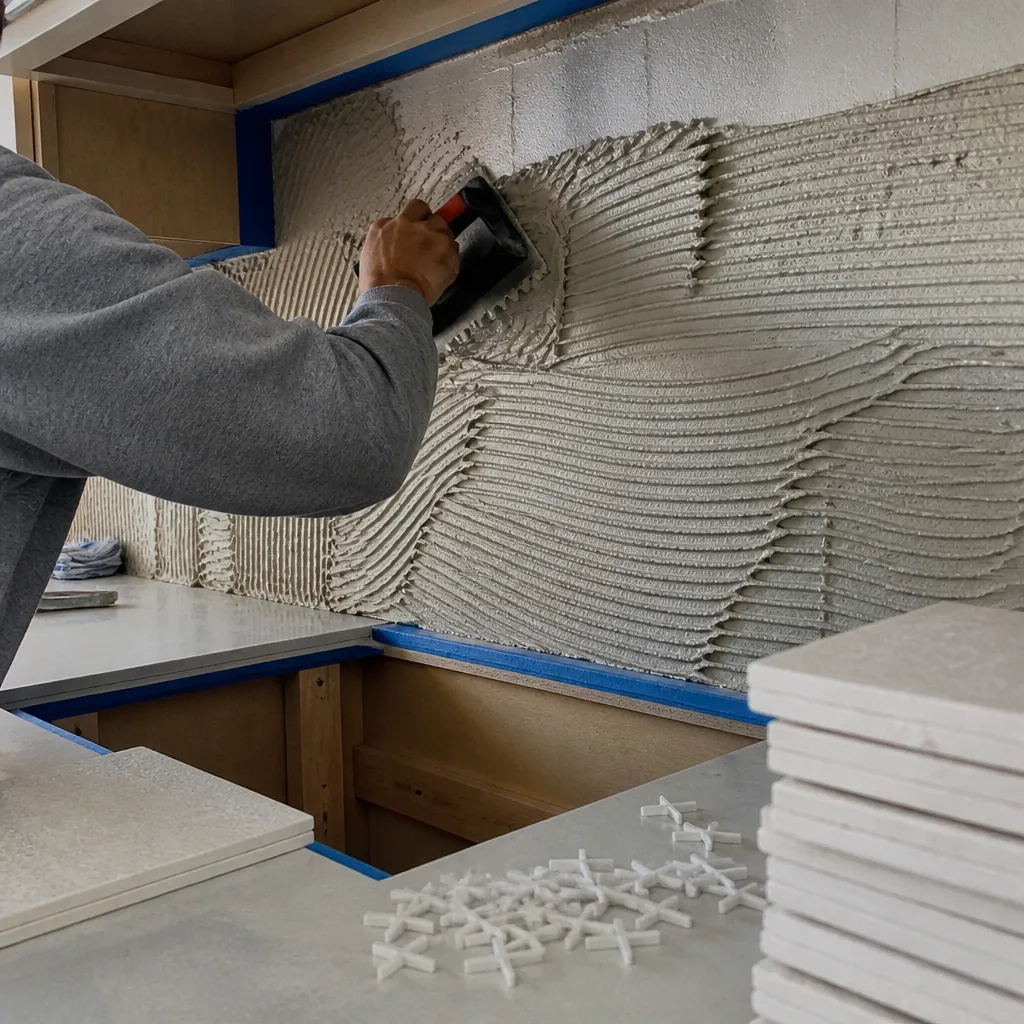
- Gaps appearing at the module-to-house junction. The seismic isolation pads compress over time, especially in Los Angeles where summer heat cycles above 95°F soften the elastomer. You’ll see daylight or feel air movement where the Casita meets your existing structure; left alone, this admits moisture and compromises the weather barrier.
- Moisture staining inside the utility chase. Boxabl routes electrical, plumbing, and mini-split lines through a shared wall cavity with a single penetration seal. In coastal Los Angeles neighborhoods like Mar Vista or Venice, marine layer condensation attacks that seal from the outside; inland, it’s the thermal shock of 40-degree morning swings against afternoon sun.
- Floor deflection or the “bounce” feeling near the entry. The Casita sits on adjustable steel piers with a designed load path to a concrete pad or stem wall. If that pad cracked during the 2019 Ridgecrest aftershocks or wasn’t poured to the full 3,000 PSI spec, the module settles unevenly and stresses the rigid plumbing connections.
- Mini-split lineset kinking or refrigerant loss. The pre-charged lineset exits through the utility chase with a fixed bend radius. Installers who don’t support the line during module placement create a stress point that fatigues in 18 to 30 months of Los Angeles thermal cycling.
- Roof membrane bubbling or seam separation. Boxabl ships with a TPO membrane rated for 10-year service life, but the white reflective surface degrades faster in the San Fernando Valley’s UV exposure compared to shaded hillside installations in Los Feliz. Bubbles indicate trapped moisture; seam gaps mean the adhesive has reached end of life.
 Before
 After
AfterReplacement Cost & What’s Included
For a full Boxabl module integration, including seismic anchoring, utility rough-in, and finish tie-in to your existing home, our Los Angeles projects fall between $53,100 and $153,400. A standalone ADU with independent utilities runs toward the upper end; a connected addition sharing your main panel and water heater lands lower. The range reflects foundation requirements (slab-on-grade versus raised pier), the distance to your sewer lateral, and whether we’re pulling a new electrical service or tapping existing capacity.
Every quote is flat-priced with line-item breakdown: module connection hardware, structural engineering for LADBS submission, permit fees, labor, and our 365-Day Done Right Promise. Under Clause 1 of the Haven Standard, that written price is delivered before any work starts. No change proceeds without a signed change order. The documented photo record, included as standard, shows every anchor torque spec and every sealed penetration so you have evidence of what was done and how.
DIY or Call Us?
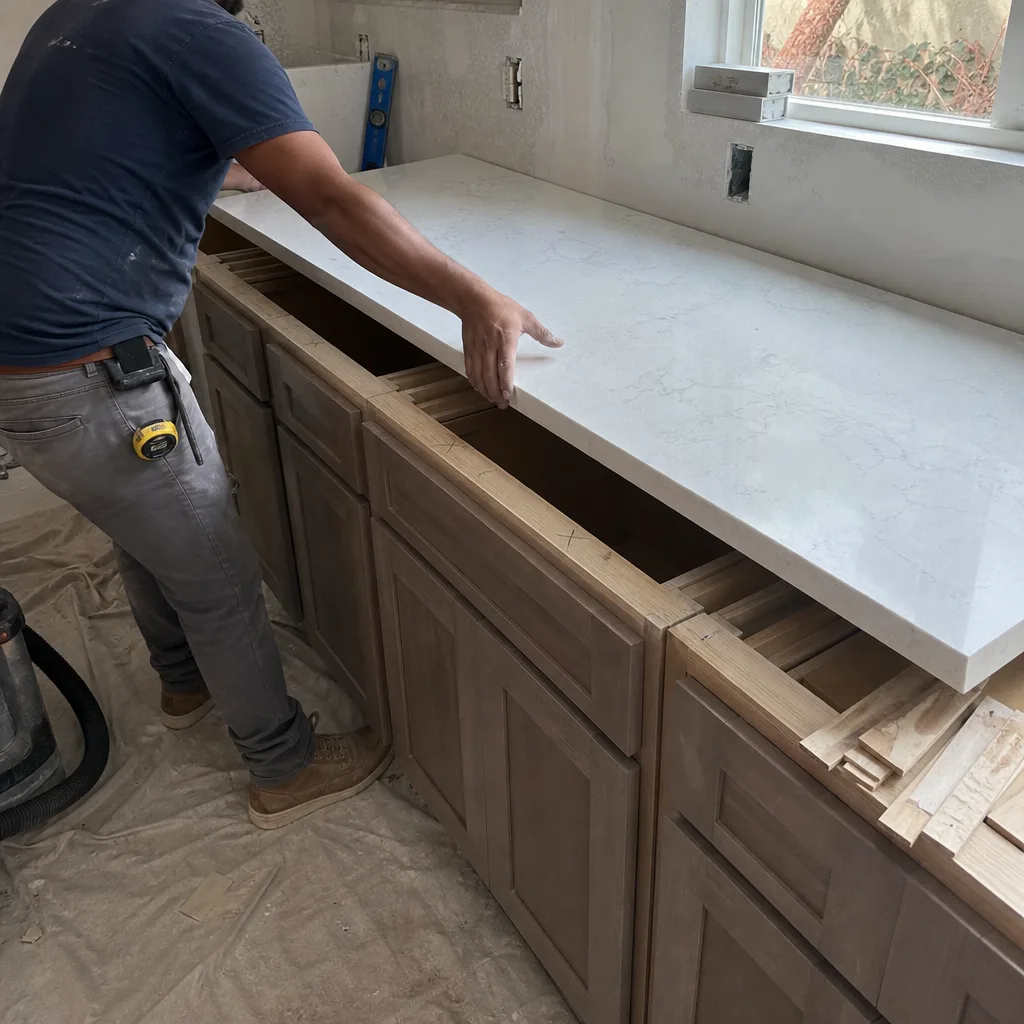
An owner can safely inspect the data plate, photograph gaps or stains for documentation, and confirm the mini-split filter is clean. That’s where safe DIY ends. The seismic anchoring system requires torque-to-yield fastening, the utility chase penetrations must meet Los Angeles fire-separation code for ADUs, and any electrical work beyond a plug-in appliance needs an LADBS permit and inspection. We’ve been called to three jobs in the past two years where a homeowner’s self-installed anchor pulled out during a minor tremor because they used standard wedge anchors instead of the epoxy-set, seismic-rated hardware the connection schedule specifies.
If you’re seeing any of the symptoms above, call (213) 652-7670. We’ll schedule a free evaluation, bring the correct hardware for your production run, and give you a written price before anyone picks up a tool. If it’s not written down, it didn’t happen.
FAQs
With proper installation and the correct seismic hardware, the structural connection should last 30-plus years. The utility chase seals and roof membrane are wear items; expect 8 to 12 years on the TPO in full sun, 12 to 15 in shaded or coastal microclimates. Call (213) 652-7670 and we’ll inspect the membrane condition as part of a free estimate.
Most connection issues are repairable without module relocation. Compressed seismic pads get swapped, anchor bolts get re-torqued or re-epoxied, and the utility chase can be resealed in place. Full re-installation is only necessary if the foundation pad has failed structurally, which we assess with a level survey and core sample. Call (213) 652-7670 for an exact diagnosis, estimates are free.
Repair work on an existing connection, one to three days. A full ADU integration with new utility rough-in, four to eight weeks depending on LADBS permit timing and trenching requirements for sewer and electrical. We build permit submission into our flat price and track inspection scheduling so you’re not chasing the city. Call (213) 652-7670 for a timeline based on your specific site.
We stock seismic anchor kits, adapter plates for pre-2022 flange profiles, utility chase seal assemblies, and TPO membrane repair stock. Proprietary Boxabl electrical components or replacement wall panels come factory-direct with a two-to-four-week lead. We tell you which category your job falls into before you commit, not after. Call (213) 652-7670 to confirm availability for your production week.
Written by Grant Rowan, Owner, Rowan Construction Group Los Angeles at Rowan Construction Group Los Angeles, serving Los Angeles and nearby areas.