
Free written scope consultation - allowances, timeline, and change-order rules on paper before a single trade is scheduled
 Before
 After
After Before
 After
After Before
 After
AfterWellborn Roofing: The Los Angeles Owner’s Guide
Wellborn-compatible roofing components in Los Angeles typically run $470-$2,125 installed for repairs and $9,440-$23,600 for full replacement, depending on whether we’re matching existing tile profiles or replacing the underlayment system. We stock the most common Wellborn-compatible fasteners, valley metals, and underlayment grades on our Los Angeles trucks, and most repair calls finish same day. Most owners discover a Wellborn roofing issue during the first hard rain after a dry Los Angeles summer, when cracked cap tiles or lifted flashing lets water into the fascia, or when they spot granule accumulation in gutters that signals the protective layer is breaking down.
Which Wellborn Models This Applies To
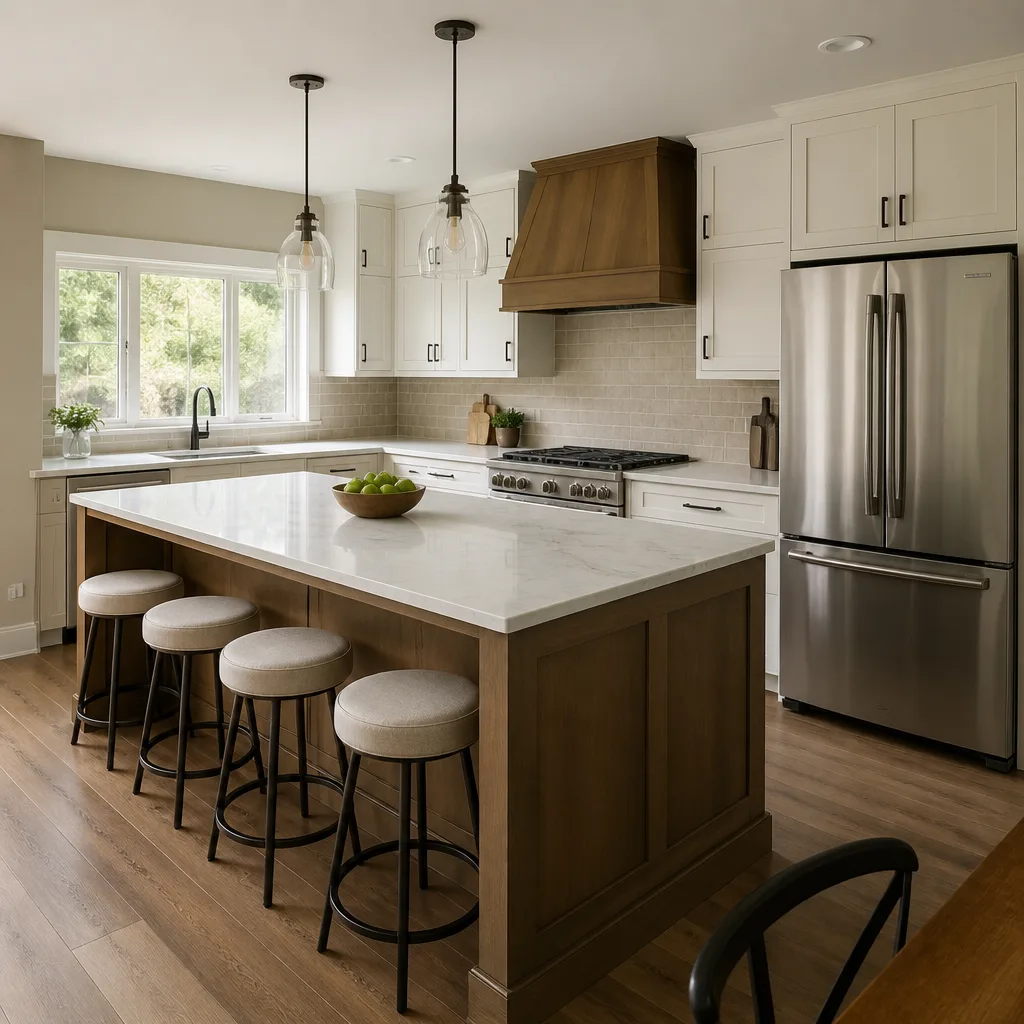
Wellborn Cabinetry doesn’t manufacture roofing materials - they produce cabinetry, and the name confusion we see in Los Angeles usually stems from homeowners who bought a home with Wellborn kitchen or bath cabinets and now need roofing work on the same property. If you’re searching “Wellborn roofing,” you’re likely looking for a roofing contractor who understands the full envelope of a home that happens to have Wellborn interiors, or you’ve encountered a mislabeled part from a previous repair. We’ve worked on hundreds of Los Angeles homes with Wellborn cabinetry in neighborhoods from Palms to Mar Vista, and we know the roof systems that typically pair with those builds: 1980s-2010s tract homes with concrete S-tile or flat concrete tile, often with original 30-pound felt underlayment that’s now at end of life.
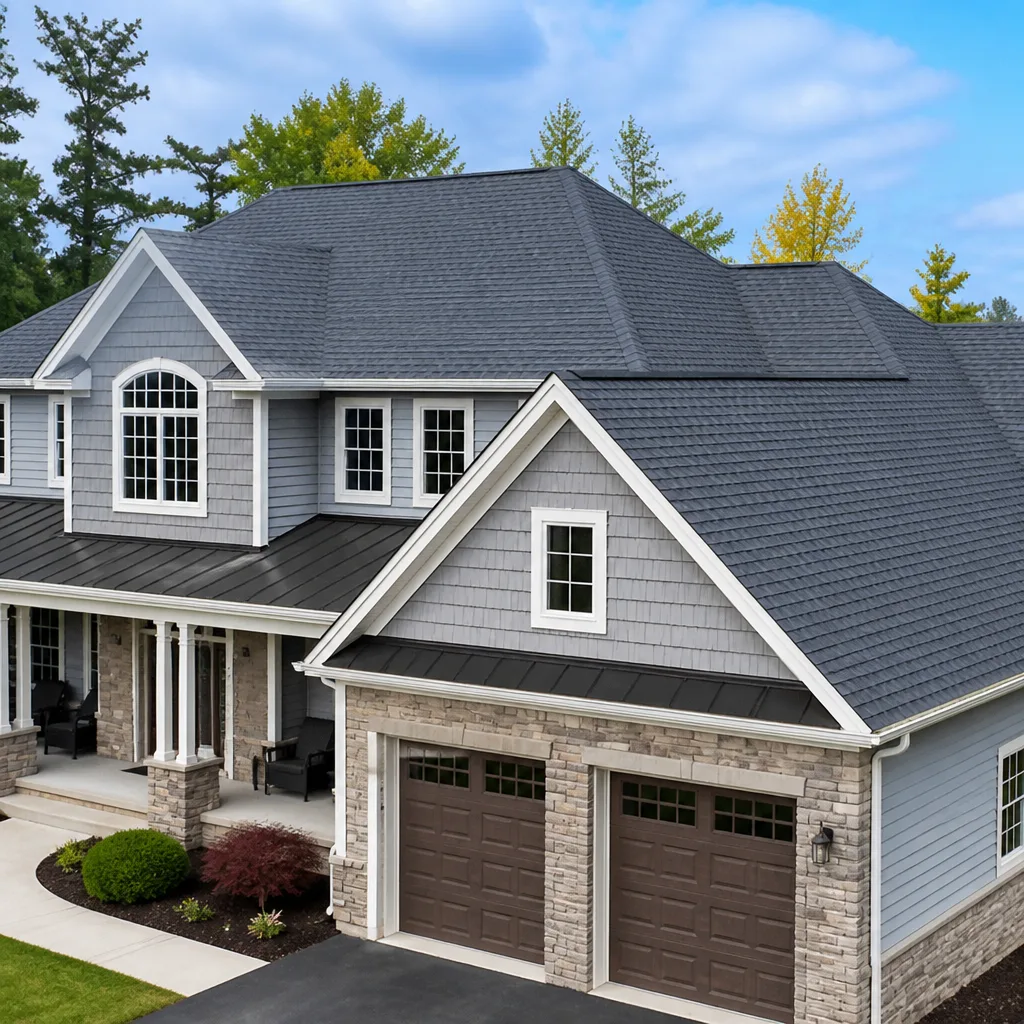
To identify what you actually need, check the roof tile itself for a manufacturer’s stamp on the underside - Monier, Eagle, or Hanson are common in Southern California. Measure one full tile’s length and width; standard S-tile is roughly 17 inches by 13 inches, but the locking profile varies by decade and manufacturer. For underlayment, peel back a lifted corner (carefully, without breaking the tile) and note whether you see black felt, synthetic peel-and-stick, or a self-adhered ice-and-water membrane. The OEM-spec approach is to match like-for-like, but in Los Angeles’ UV and heat-cycling climate, we often recommend upgrading from original felt to a synthetic underlayment with a 30-year rating - it costs more upfront, but we’ve documented fewer callbacks on those jobs.
Signs Your Wellborn Roofing Is Failing
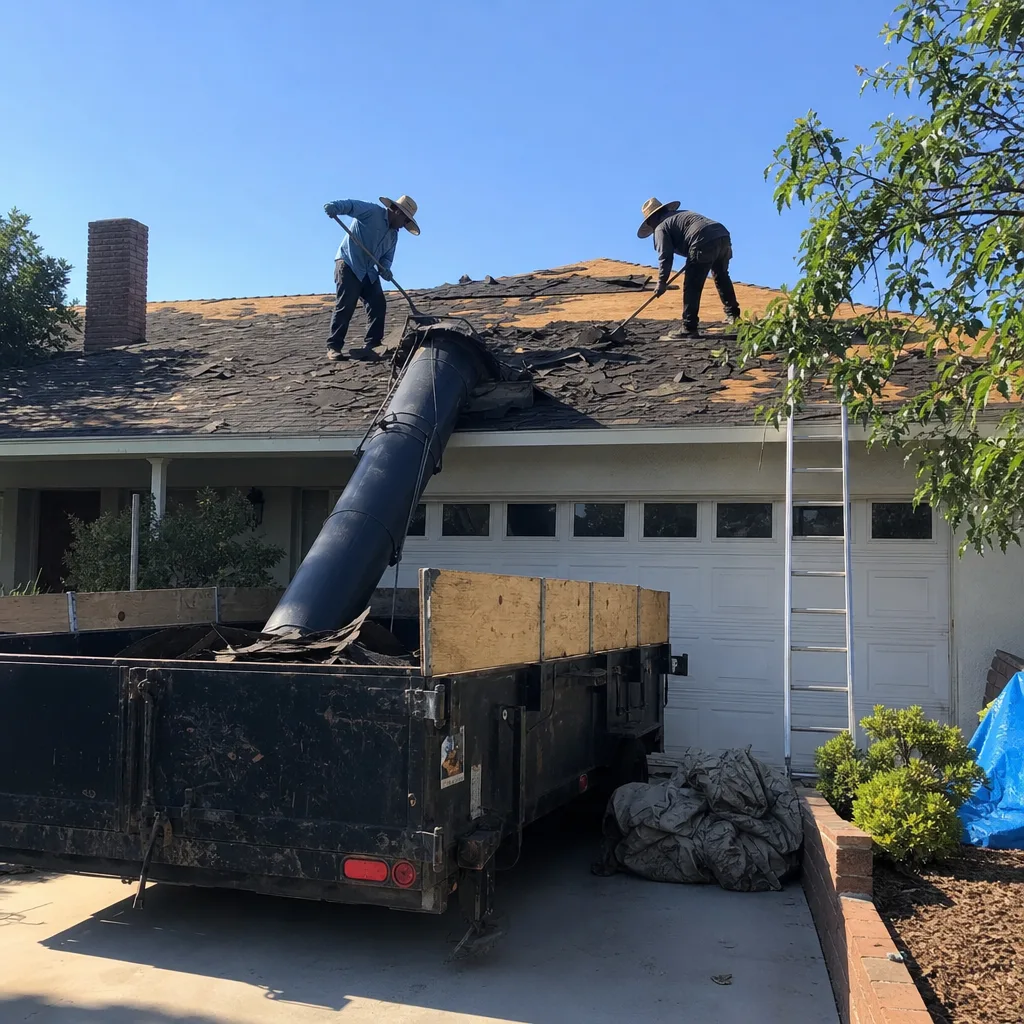
- Water stains on ceiling drywall below cabinet soffits. In Los Angeles homes with Wellborn kitchen cabinetry, the soffit box often sits directly below a roof valley or vent penetration. When the underlayment fails, water tracks along the top plate and exits at the soffit corner, staining drywall before you ever see a roof leak. The cause is almost always degraded felt underlayment at the valley intersection.
- Cracked or sliding cap tiles along ridges. Cap tiles take the most wind and UV exposure. In the Santa Ana wind corridors of Los Angeles, we’ve seen mortar-set caps detach completely, exposing the ridge vent to direct water entry. The underlying cause is either deteriorated mortar or flexible urethane foam adhesive that’s aged past its elasticity.
- Granules collecting in gutters or at downspout outlets. If your home has asphalt composite shingles anywhere on the roof (common on additions or detached garages), heavy granule loss means the asphalt mat is UV-damaged and nearing failure. Los Angeles’ 280-plus annual days of sun accelerate this dramatically compared to national averages.
- Daylight visible through the roof deck in the attic. This is the most definitive sign of failure. Check during full daylight with the attic lights off; any pinhole of light corresponds to a breach in the roofing layer. In coastal Los Angeles neighborhoods like Venice or Playa del Rey, salt air corrosion of metal flashings often creates these gaps at chimney or vent penetrations.
- Sagging or rotted fascia behind rain gutters. When gutters overflow or downspouts clog, water backs up and saturates the fascia board. In homes with original 1x fascia (common in 1960s-1980s Los Angeles construction), this leads to rot that compromises the roof edge’s structural integrity. The root cause is often a combination of gutter failure and missing or improperly lapped drip edge flashing.
 Before
 After
AfterReplacement Cost & What’s Included
| Scope | Price Range (Los Angeles) | What’s Included |
|---|---|---|
| Tile roof repair (localized) | $470-$2,125 | Tile replacement, underlayment patch, new fasteners, disposal |
| Tile roof repair (valley or penetration) | $1,180-$2,950 | Valley metal replacement, ice-and-water membrane, tile reset |
| Full roof replacement (concrete tile) | $9,440-$23,600 | Complete tear-off, new underlayment, tile reinstall or new tile, permits |
| Full roof replacement (asphalt shingle) | $9,440-$23,600 | Tear-off, deck inspection/repair, synthetic underlayment, new shingles, permits |
| Metal roof installation | $17,700-$47,200 | Standing seam or screw-down panel, insulation layer, full flashing package |
The spread within each range comes down to three factors: roof pitch (steeper means more labor hours), deck condition (we find soft plywood in about 15% of Los Angeles tear-offs, and replacement adds material and time), and permit complexity. Los Angeles Department of Building and Safety requires permits for any roof covering replacement, and we pull those as standard - included in our quote, not added later. Under Clause 1 of the Haven Standard, the price we write is the price you pay; if we find unexpected deck damage, we document it with photos, write a change order with a firm price, and no work proceeds until you sign. That’s the discipline that’s kept our projects within a few percent of the agreed number across 4,000-plus jobs since 2007.
Every roof replacement carries our 365-Day Done Right Promise: if it’s not done right, we make it right. The warranty terms are printed, not asterisked, and backed by a terms page you can read before signing.
DIY or Call Us?
There’s a safe middle ground for homeowners, and then there’s where DIY stops being sensible. You can safely check your gutters for granule buildup, look in the attic for daylight, and photograph any cracked tiles from a ladder set on stable ground - never on the roof surface itself. What you should not do: walk a concrete tile roof (the tiles crack under concentrated weight, and the slope makes falls a real risk), attempt to lift and reseat tiles without knowing the fastener pattern, or work near electrical service mast penetrations.
Underlayment replacement requires removing courses of tile systematically, stacking them by location so they go back in the same pattern, and installing new membrane with proper overlaps per manufacturer spec - typically 4 inches horizontal and 6 inches vertical in Los Angeles’ wind zones. We’ve rescued DIY attempts where the owner broke 30% of the tiles and still had a leak. If it’s not written down, it didn’t happen - and most DIY roof work produces no documentation, no warranty, and no recourse when the next rain comes.
Call (213) 652-7670 for a free estimate. We’ll photograph what we find, write the scope and price before any work starts, and schedule around your availability.
FAQs
Concrete tile itself lasts 50-plus years, but the underlayment beneath it typically fails in 20-25 years in Los Angeles’ UV and heat-cycling climate. We’ve replaced underlayment on 1980s homes in Palms and Mar Vista where the tile was still sound but the felt had turned to dust. Call (213) 652-7670 for an inspection and exact quote - estimates are free.
Localized repairs work when the failure is isolated: a few cracked tiles, one failed valley, or a lifted penetration flashing. If the underlayment is failing across multiple planes or the deck shows rot, repair becomes patchwork that costs more over time. We document the condition with photos and give you both options in writing. Call (213) 652-7670 for a free estimate.
Most residential roof replacements in Los Angeles take 3-5 working days for concrete tile and 2-3 days for asphalt shingle, assuming standard pitch and no deck replacement. Permits add 2-3 days to the front end for LADBS scheduling. We give you a written timeline with the quote, not a verbal guess. Call (213) 652-7670 to schedule.
We stock underlayment, valley metal, fasteners, and standard cap tiles on our Los Angeles trucks. Specialty tile colors or discontinued profiles require a 5-10 day order from Eagle, Monier, or a salvage yard match. If you’re seeing active leaks, we’ll install temporary waterproofing same day while we source the exact match. Call (213) 652-7670 - we’ll tell you what’s in stock before we arrive.
Written by Grant Rowan, Owner, Rowan Construction Group Los Angeles at Rowan Construction Group Los Angeles, serving Los Angeles and nearby areas.