
Last updated September 22, 2026
Free written scope consultation - allowances, timeline, and change-order rules on paper before a single trade is scheduled
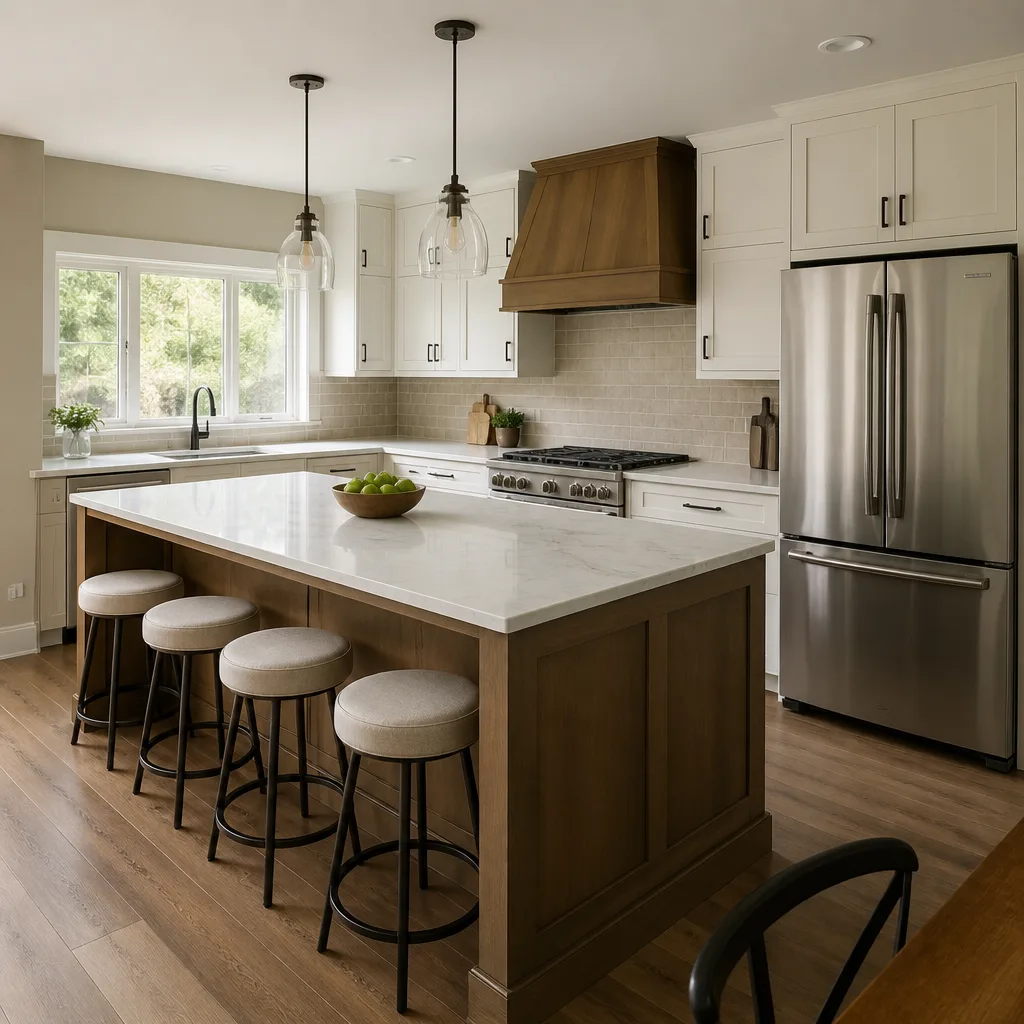
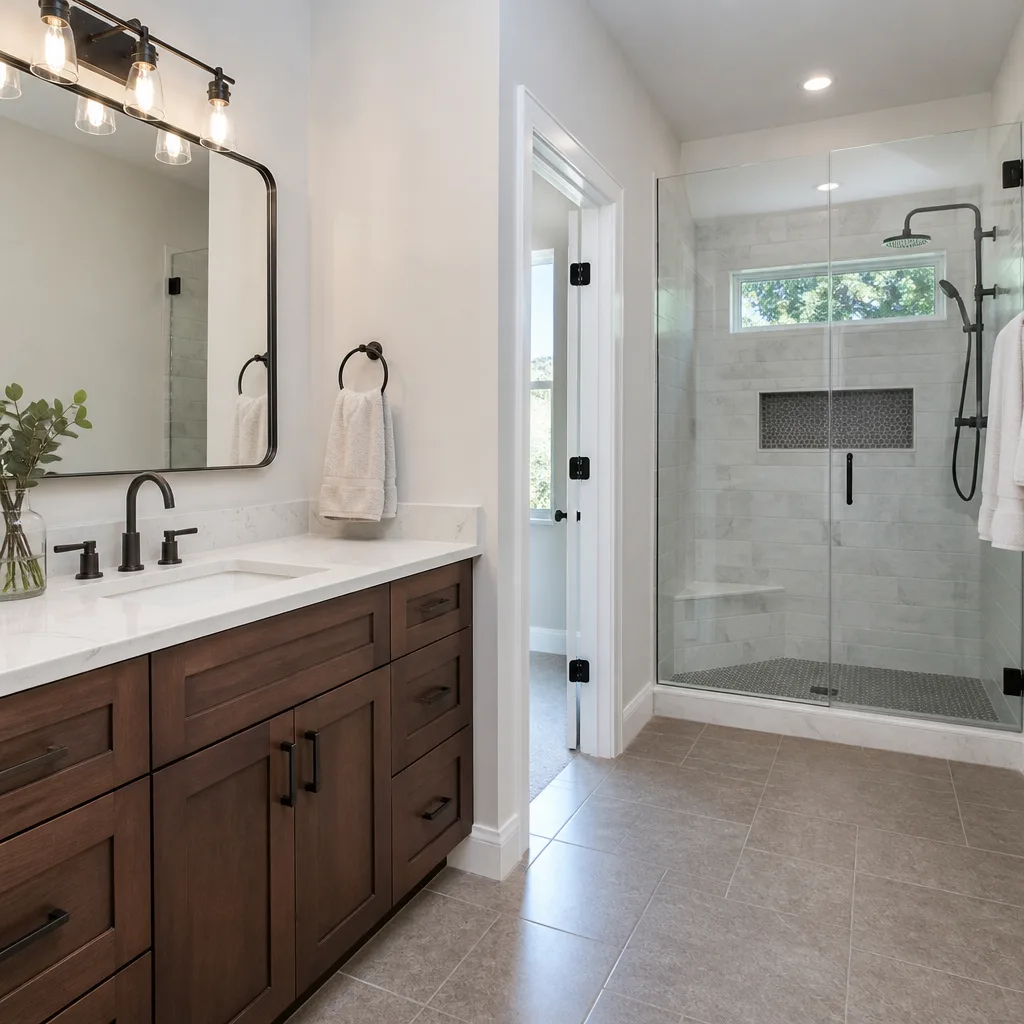
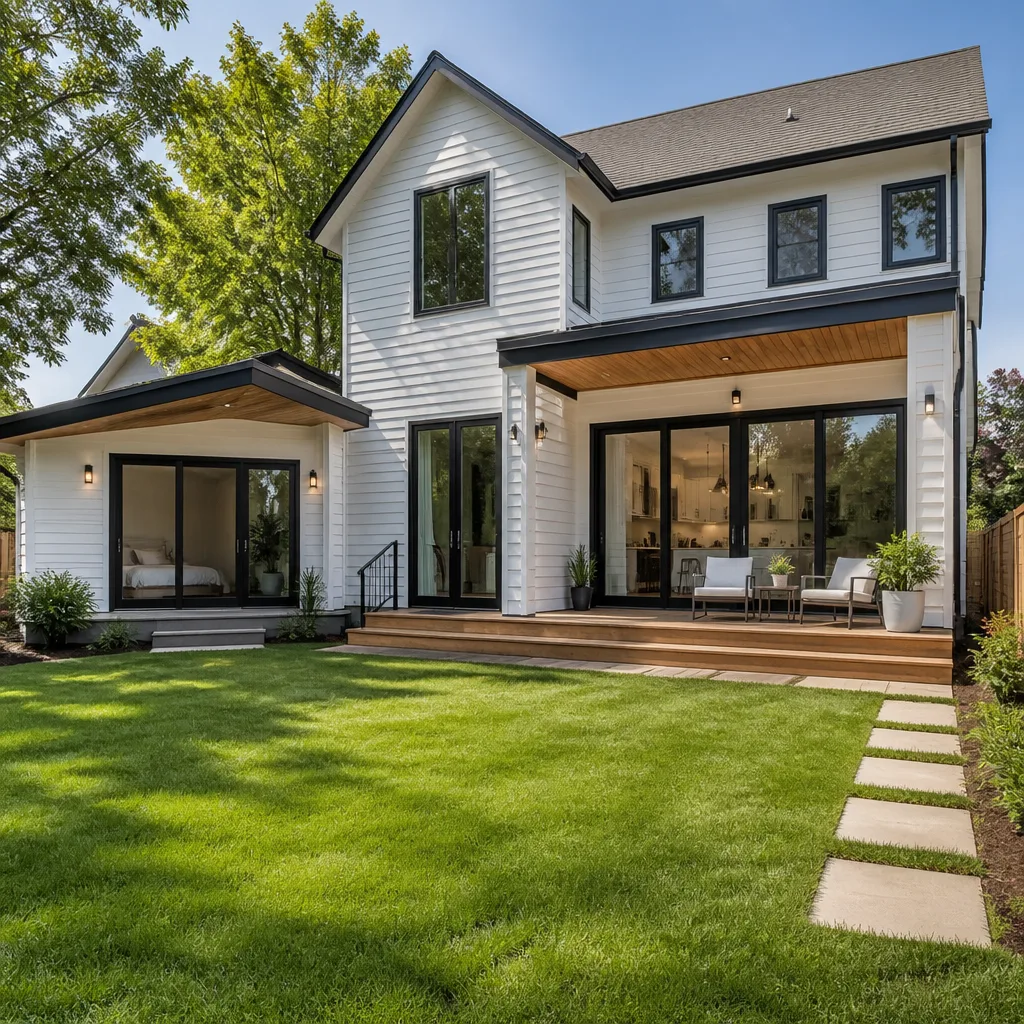
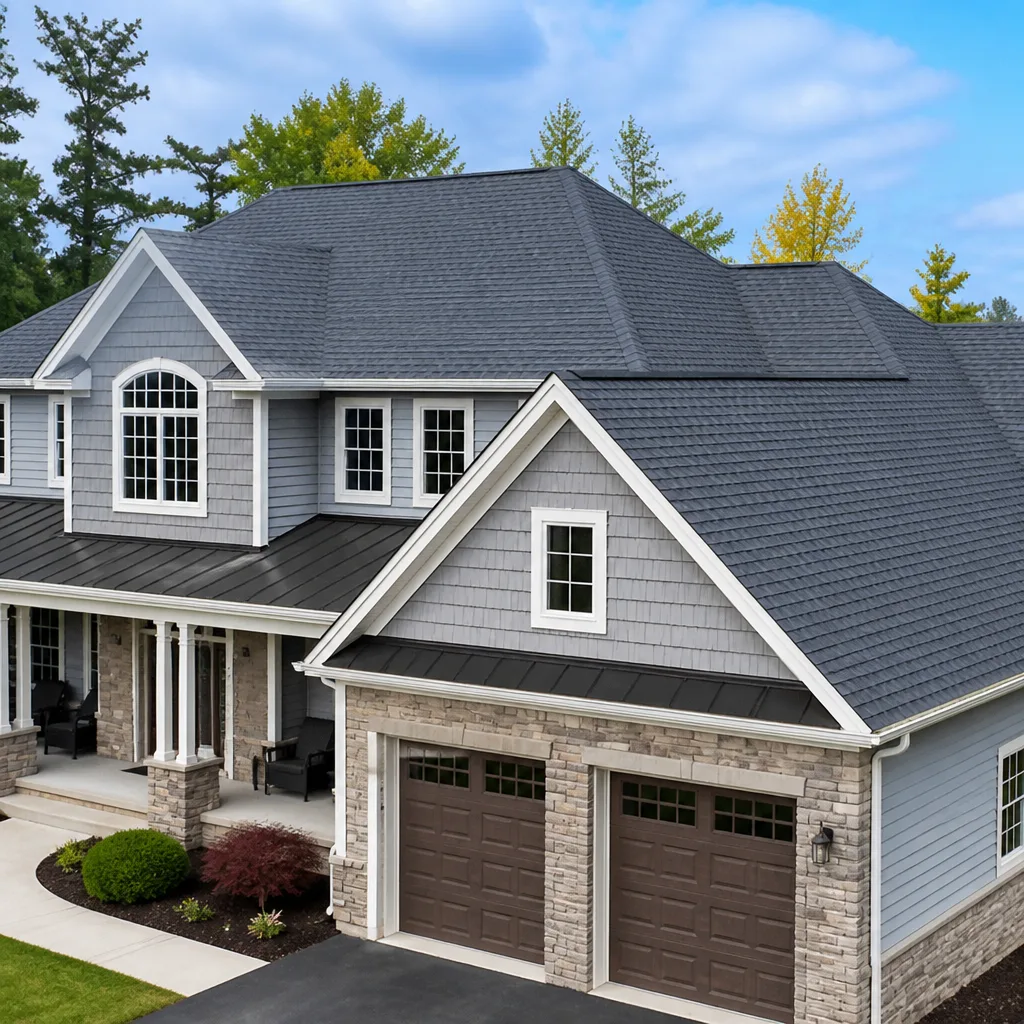
 Before
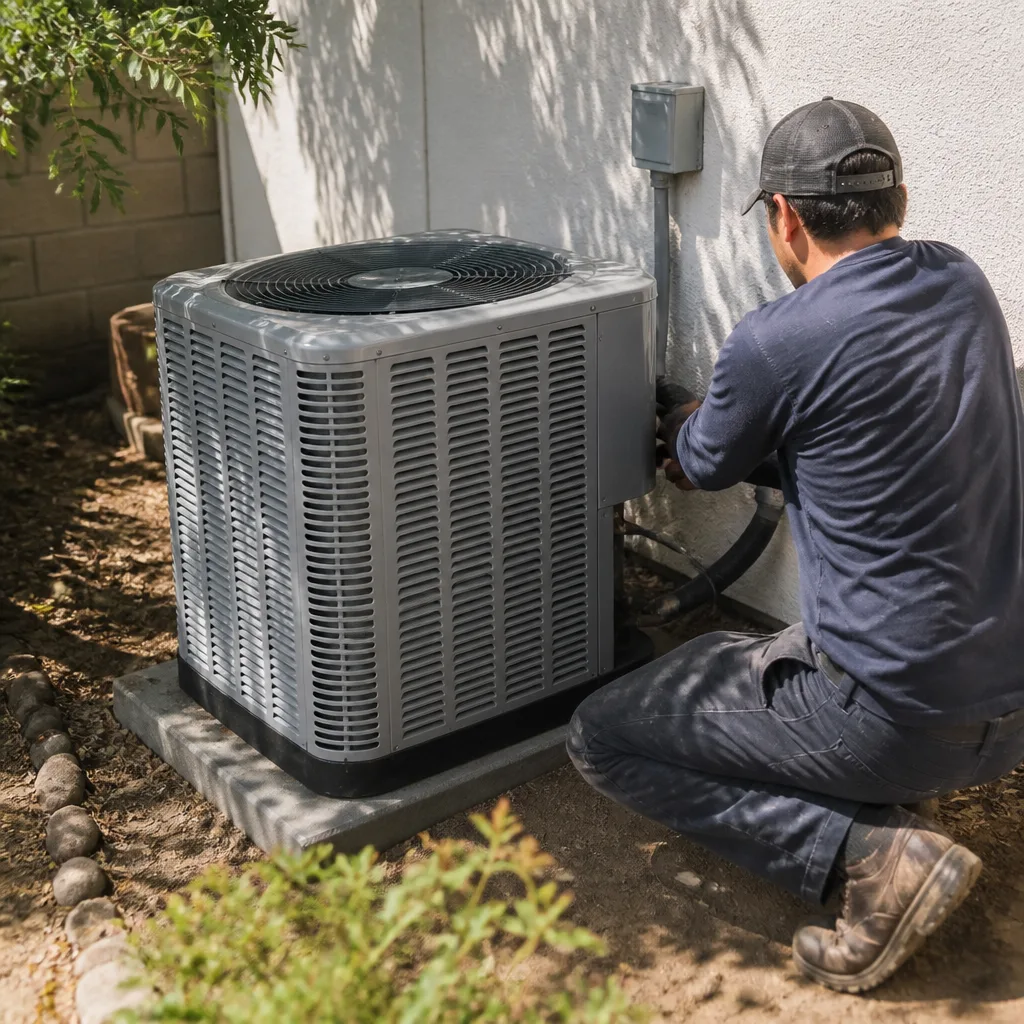 After
After Before
 After
After Before
 After
AfterDIY vs Professional Construction: The Los Angeles Homeowner’s Decision Guide
California allows property owners to act as their own general contractor under an owner-builder exemption, but it also requires them to sign a disclosure stating they understand that doing so for the purpose of resale, and selling within one year, creates a presumption of fraud under Business and Professions Code Section 7044. Most DIY guides skip that sentence entirely. In Los Angeles, where the median home resale cycle is under seven years and ADU conversions are reshaping neighborhoods from Silver Lake to the San Fernando Valley, the DIY-versus-professional question is less about whether you can swing a hammer and more about whether you can absorb the legal and financial exposure if you do. This guide maps the statutory boundary first, then runs the real numbers.
Quick Answer
DIY construction in Los Angeles is legally viable only for specific project types under California’s owner-builder exemption, and even then it triggers stricter permit scrutiny, additional inspections, and resale disclosure obligations that professional contractor work does not. For structural, electrical, plumbing, and roofing work, California law requires a licensed contractor; for permitted cosmetic and non-structural work, DIY saves money only when you accurately account for tool costs, material waste, inspection re-work, and the value of your time at market rates.
Table of Contents
- California Owner-Builder Law: What You Can and Cannot Legally Self-Perform
- The LADBS Permit Reality: Owner-Builder vs. Contractor-Pulled Permits
- The True Cost Comparison: Line Items DIY Calculators Omit
- Where DIY Pays Off (and Where It Doesn’t)
- DIY Work at Resale: Disclosure, Inspections, and Retroactive Permits
- Safety, Warranty, and the Documentation Gap
- Common Mistakes to Avoid
- When to Call a Professional
- Frequently Asked Questions
 Before
 After
AfterCalifornia Owner-Builder Law: What You Can and Cannot Legally Self-Perform
California Business and Professions Code Section 7044 creates the owner-builder exemption, which allows a property owner to act as their own general contractor on their own residence without holding a contractor’s license. The exemption applies to structures intended for the owner’s personal use, not for sale or lease. The moment resale enters the picture, the exemption narrows dramatically.
Under B&P Code Section 7044, an owner-builder must personally perform the work, or hire and directly supervise licensed subcontractors for each trade. You cannot hire an unlicensed handyman to perform electrical, plumbing, or structural work and call it DIY. More critically, Section 7044.1 requires every owner-builder to file a disclosure with the Contractors State License Board acknowledging that if the property is sold within one year of completion, there is a rebuttable presumption that the work was performed for speculative purposes, which violates the exemption. This presumption shifts the burden of proof to the owner-builder in any subsequent legal action.
What this means in Los Angeles: if you finish a kitchen remodel in March and list the house in February of the following year, you are walking into a disclosure minefield. Buyers’ attorneys in this market know the code. We’ve reviewed competitor estimates for clients in Los Feliz and Culver City who started as owner-builders and needed professional remediation after receiving demand letters.
The exemption does not cover:
- Electrical work beyond minor fixture replacement (requires C-10 license)
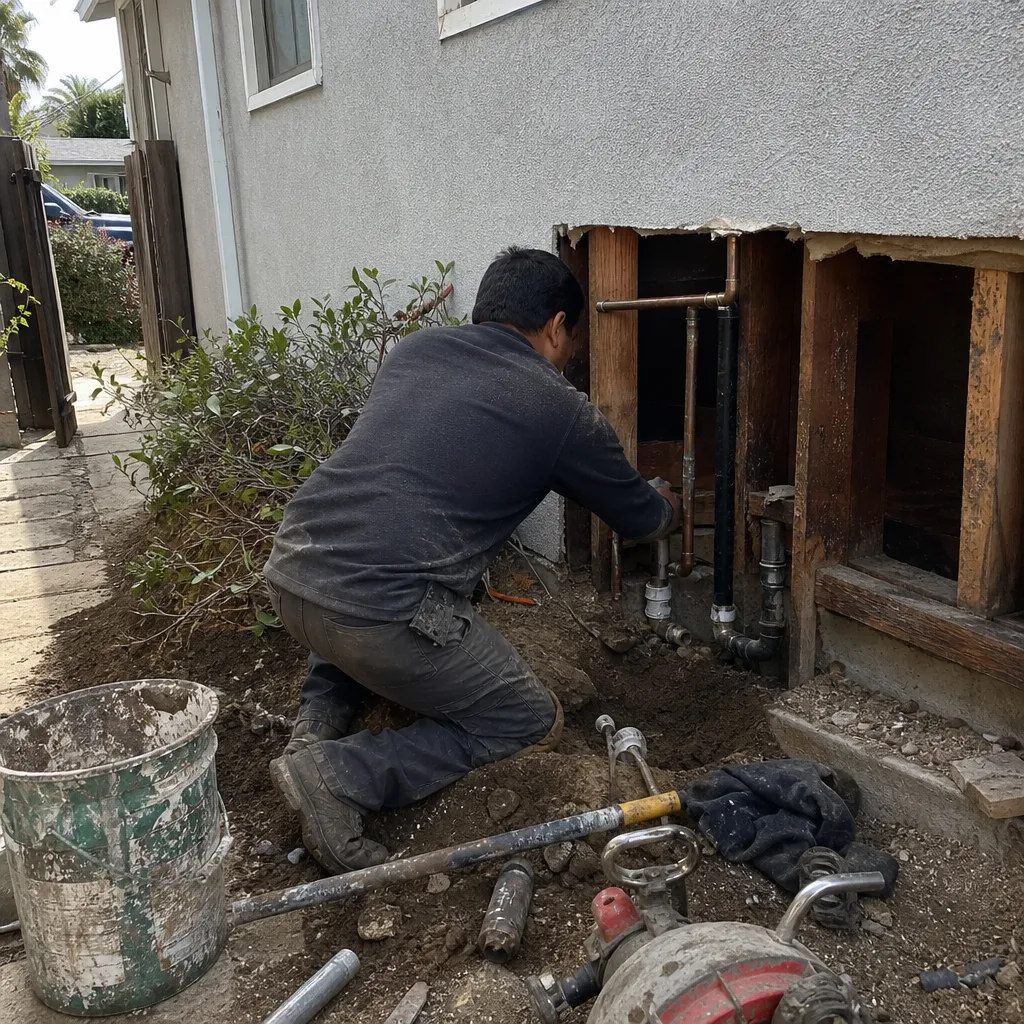
- Plumbing beyond faucet or toilet swap (requires C-36 license)
- Structural modifications, including load-bearing wall removal (requires B license)
- Roofing on structures over one story or with specific fire-rating requirements (requires C-39 license)
- HVAC installation or duct modification (requires C-20 license)
- Natural gas line work of any scope (requires C-36 or licensed plumber)
What the exemption does cover, with permit:
- Interior painting and wallpapering
- Non-structural finish carpentry (baseboards, crown molding, shelving)
- Flooring installation over existing subfloor (not structural repair)
- Demolition of non-load-bearing elements
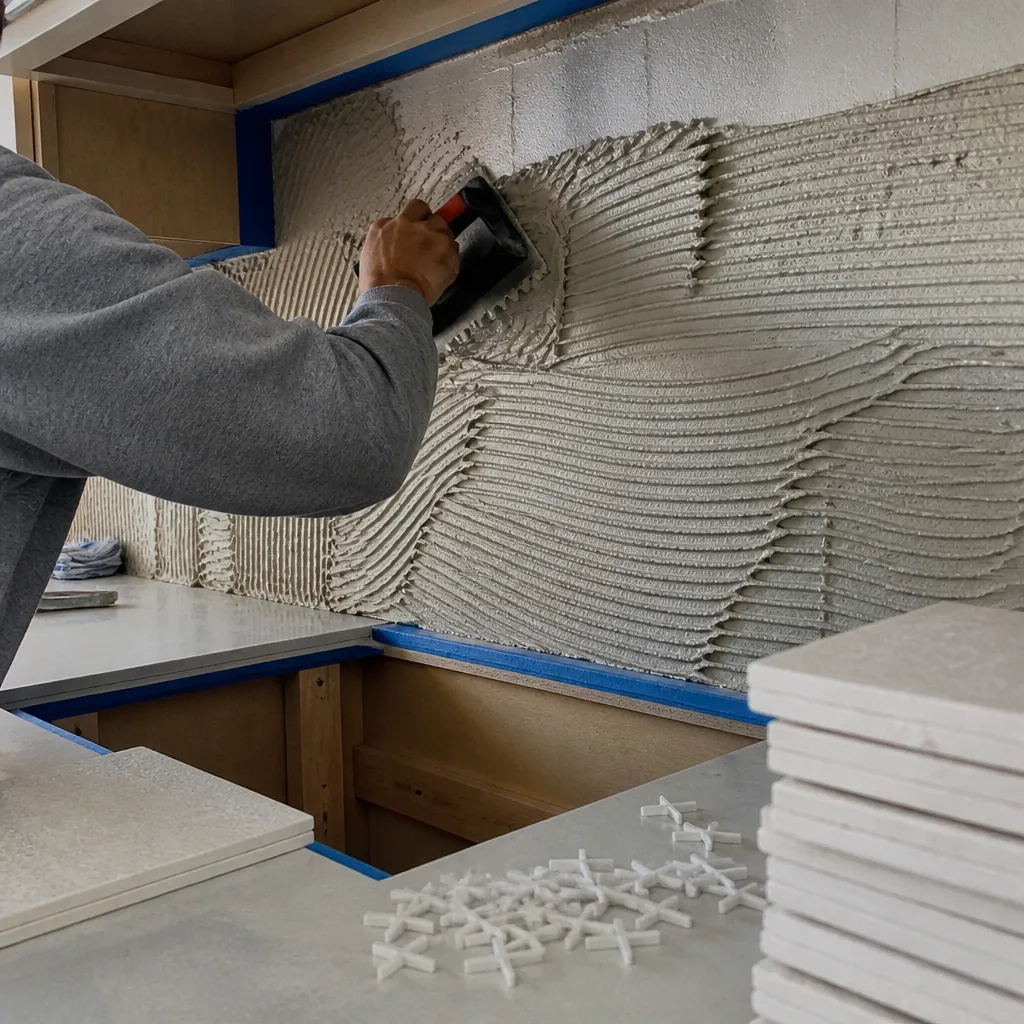
- Cosmetic tile backsplash installation
- Landscaping hardscape under 30 inches in height
The distinction matters because Los Angeles Department of Building and Safety (LADBS) inspectors apply the code strictly. An owner-builder who pulls a permit for “kitchen cosmetic work” and is found to have relocated a gas line faces permit revocation, stop-work orders, and mandatory licensed contractor takeover at the owner’s expense.
The LADBS Permit Reality: Owner-Builder vs. Contractor-Pulled Permits
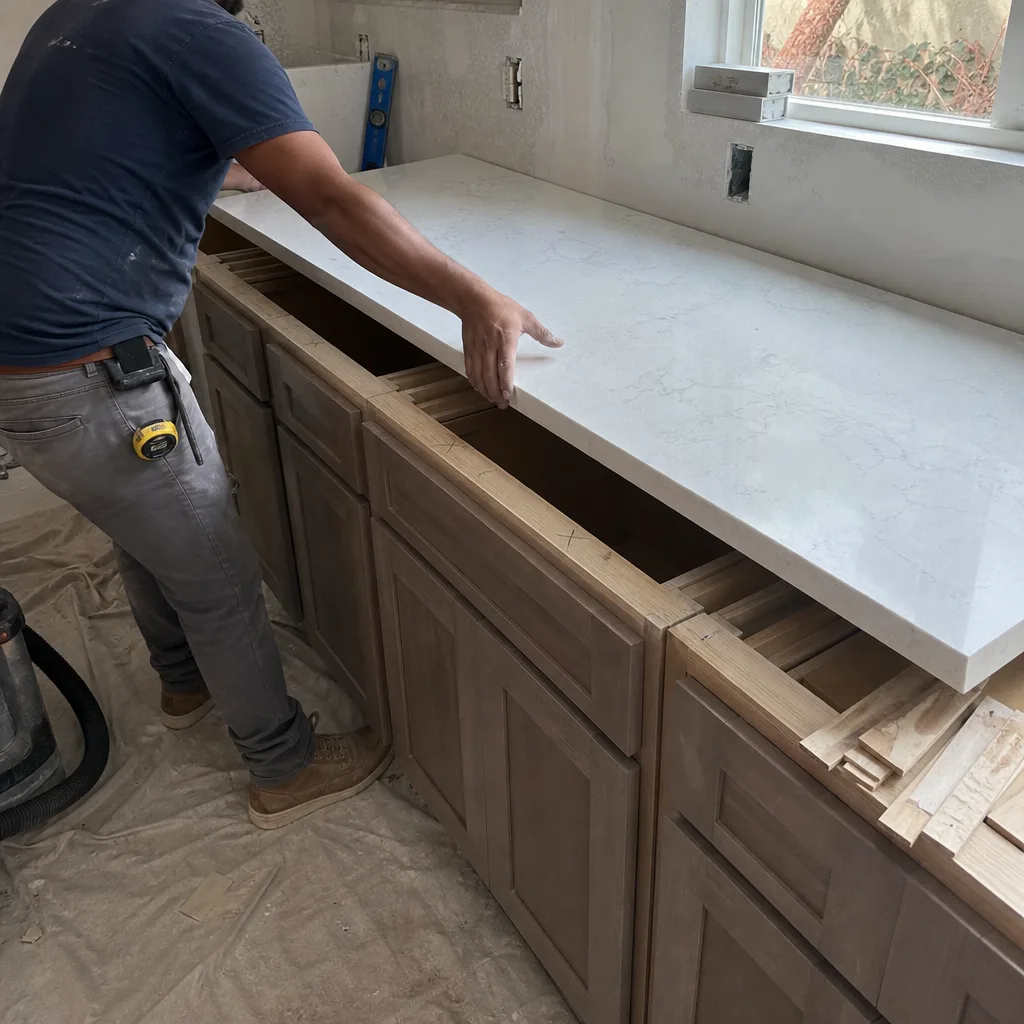
At LADBS, an owner-builder permit is not a lighter version of a contractor permit. It is a different permit class with additional compliance layers that most DIY guides never mention.
When Rowan Construction Group Los Angeles pulls a permit, the application includes our license number, insurance certificates, and bond documentation. The permit is issued under our entity, and inspections are scheduled by our permit expeditor who knows the inspection route supervisors in each LADBS district office. When an owner-builder pulls the same permit, the application requires:
- Proof of property ownership (grant deed or title report)
- Signed CSLB Form B (Owner-Builder Disclosure) acknowledging the resale presumption
- Proof of workers’ compensation insurance or signed exemption affidavit (even if hiring no one, this must be addressed)
- Notarized statement that the owner will personally reside in the structure for at least 12 months post-completion
The inspection schedule differs too. Owner-builder permits in Los Angeles trigger a “first-visit verification” inspection that contractor permits do not. An LADBS inspector visits the site before work begins to confirm the owner’s presence and understanding of the scope. This adds 5-10 business days to the timeline before the first substantive inspection can be scheduled.
Failed inspections on owner-builder permits carry different documentation requirements. Under LADBS Procedure 150-12, a failed inspection on an owner-builder permit requires correction and re-inspection with the owner present, not a designated agent. For contractors, the agent (typically the project supervisor) can meet the inspector. This means every re-inspection costs the owner-builder a half-day of personal time, not billable crew time.
In our experience across 4,000-plus projects, owner-builder permits average 1.7 inspection cycles per trade, versus 1.2 for contractor-permitted work. The difference is not inspector bias; it is preparation. Contractors know the specific LADBS inspector’s preferences for electrical panel labeling in the Valley versus Downtown, for fire-blocking in hillside zones versus flat lots. Owner-builders learn these preferences one failed inspection at a time.
The resale documentation differs as well. A contractor-permitted project generates a Certificate of Occupancy or final inspection sign-off that transfers cleanly to the next owner. An owner-builder permit requires the owner to maintain records of all subcontractor licenses, insurance certificates, and inspection sign-offs for ten years. Most do not. When the buyer’s inspector asks for permit history through LADBS PAB, the owner-builder permit shows as “completed” but the supporting documentation is often fragmented, triggering buyer concern and price renegotiation.
The True Cost Comparison: Line Items DIY Calculators Omit
The internet is full of DIY cost calculators that compare “$8,000 contractor quote” to “$3,200 in materials” and declare victory. These calculators are wrong because they omit six cost categories that materialize on every first-time project.
Tool acquisition and rental
A professional-grade tile saw runs $65-$85 per day at United Rentals in Los Angeles, or $1,200-$1,800 to purchase. A pneumatic flooring nailer is $45 per day or $350 to buy. A wet/dry vac rated for silica dust compliance (required by Cal/OSHA for concrete cutting) is $80 per day or $600 to purchase. Most DIY calculators assume the homeowner owns these tools; most homeowners do not. For a typical bathroom remodel, tool rental across tile, flooring, and demo runs $800-$1,400.
Material waste percentage
Professional contractors order materials with waste factors derived from installation experience: 10% for rectangular tile, 15% for diagonal or patterned tile, 20% for natural stone with variation. First-time DIY installers average 25-35% waste on tile, 30% on hardwood (due to incorrect nailer pressure settings causing split boards), and 40% on trim carpentry (due to incorrect miter angles). At $8-$12 per square foot for mid-grade porcelain tile in Los Angeles, that 15% differential on a 100-square-foot bathroom is $120-$180 in pure waste.
Inspection failure re-work
LADBS charges re-inspection fees of $160-$320 per trade for failed inspections on owner-builder permits. The average first-time owner-builder fails at least one inspection per trade. On a kitchen remodel involving electrical, plumbing, and structural inspections, that’s $480-$960 in re-inspection fees alone, before materials and labor for the corrections.
Time-value of labor
This is the category DIY advocates most aggressively ignore. A professional tile setter installs 80-120 square feet per day. A first-time DIY installer installs 15-25 square feet per day. For a 200-square-foot kitchen floor, that’s 2.5 professional days versus 10 DIY days. At a conservative $35 per hour time valuation (the median Los Angeles hourly wage for college-educated workers), the DIY “savings” evaporate by $2,100 in foregone earnings or leisure value. Most DIY guides value homeowner time at $0.
Corrective professional engagement
Approximately 30% of owner-builder projects in Los Angeles require professional takeover at some point, per our internal tracking of second-opinion requests. The cost to remediate partially completed DIY work averages 1.4 times the original professional quote, because demolition of incorrect work precedes proper installation. We have taken over bathroom projects in Pasadena and kitchen projects in Mar Vista where the owner had spent 60% of the professional quote before calling us, and still needed 100% of the original scope re-done.
Permit and compliance costs
Owner-builder permits at LADBS carry the same base fees as contractor permits ($1,200-$3,500 for typical residential remodels depending on valuation), but the additional documentation, notarization, and personal time for inspections adds $400-$800 in soft costs that contractors absorb into overhead.
The honest math: for a $25,000 professional kitchen remodel in Los Angeles, a skilled DIYer with owned tools, generous time, and no inspection failures might realize $6,000-$9,000 in savings. The typical first-time DIYer, accounting for all costs, breaks even or spends more while losing 4-8 weekends.
Where DIY Pays Off (and Where It Doesn’t)
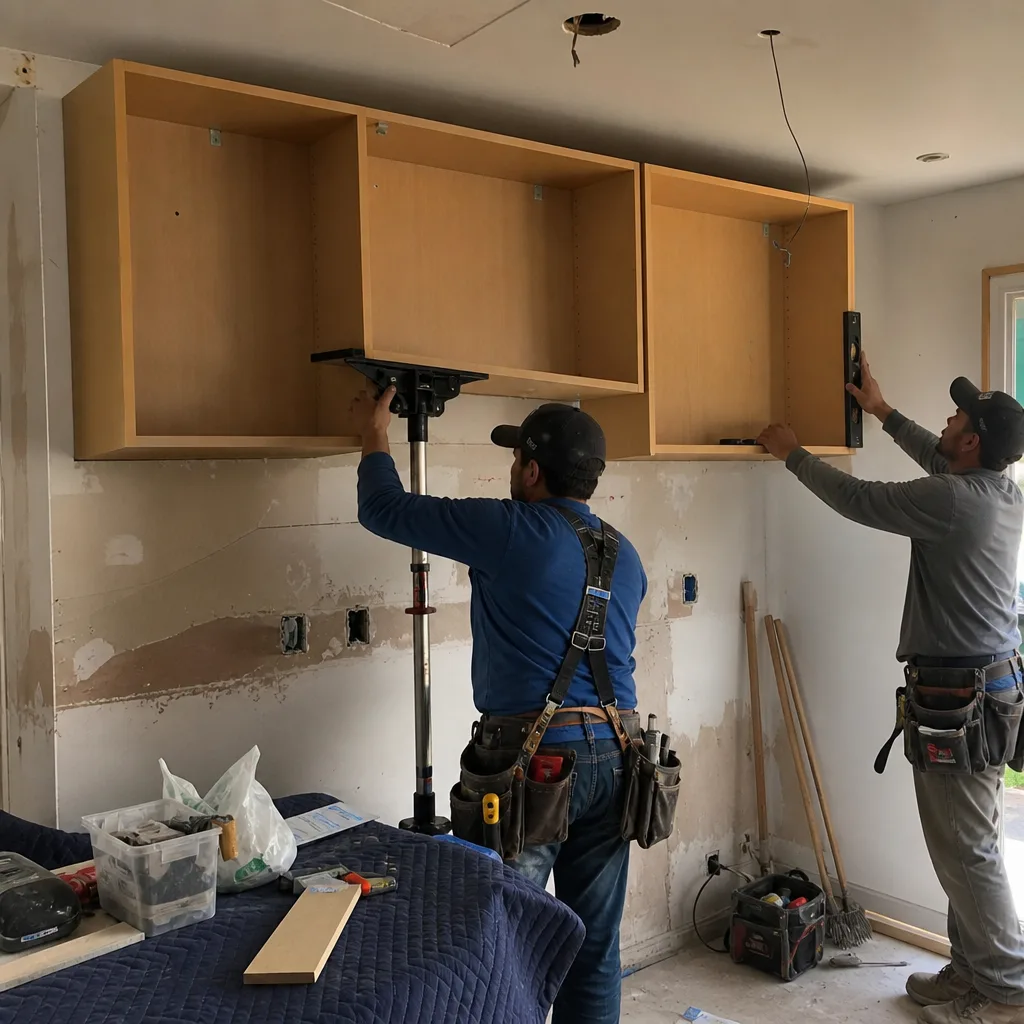
There are Los Angeles projects where DIY economics genuinely work. The key is matching the project to the homeowner’s actual skills, not aspirational ones.
Projects where DIY typically saves money
- Interior painting: No permit required for like-for-like color changes. Material cost for a 12×12 bedroom: $180-$280 (Benjamin Moore Regal or comparable). Professional quote: $800-$1,200. Time investment: one weekend. Risk profile: low; worst case is re-painting.
- Non-structural demolition: Removing cabinets, tile, drywall, or fixtures before professional installation. Tool cost: sledgehammer, pry bars, reciprocating saw rental ($120-$180). Savings on professional demo: $1,500-$3,000 on a typical kitchen. Critical caveat: know your wall type. Los Angeles homes built 1945-1980 may contain asbestos in drywall joint compound or flooring adhesive; test before disturbing ($150-$300 for lab analysis).
- Finish carpentry on non-structural elements: Baseboards, crown molding, shelving units. Material cost for MDF baseboard in a 200-square-foot room: $200-$300. Professional quote: $800-$1,200. Requires miter saw ($300 to purchase, $45/day to rent) and patience.
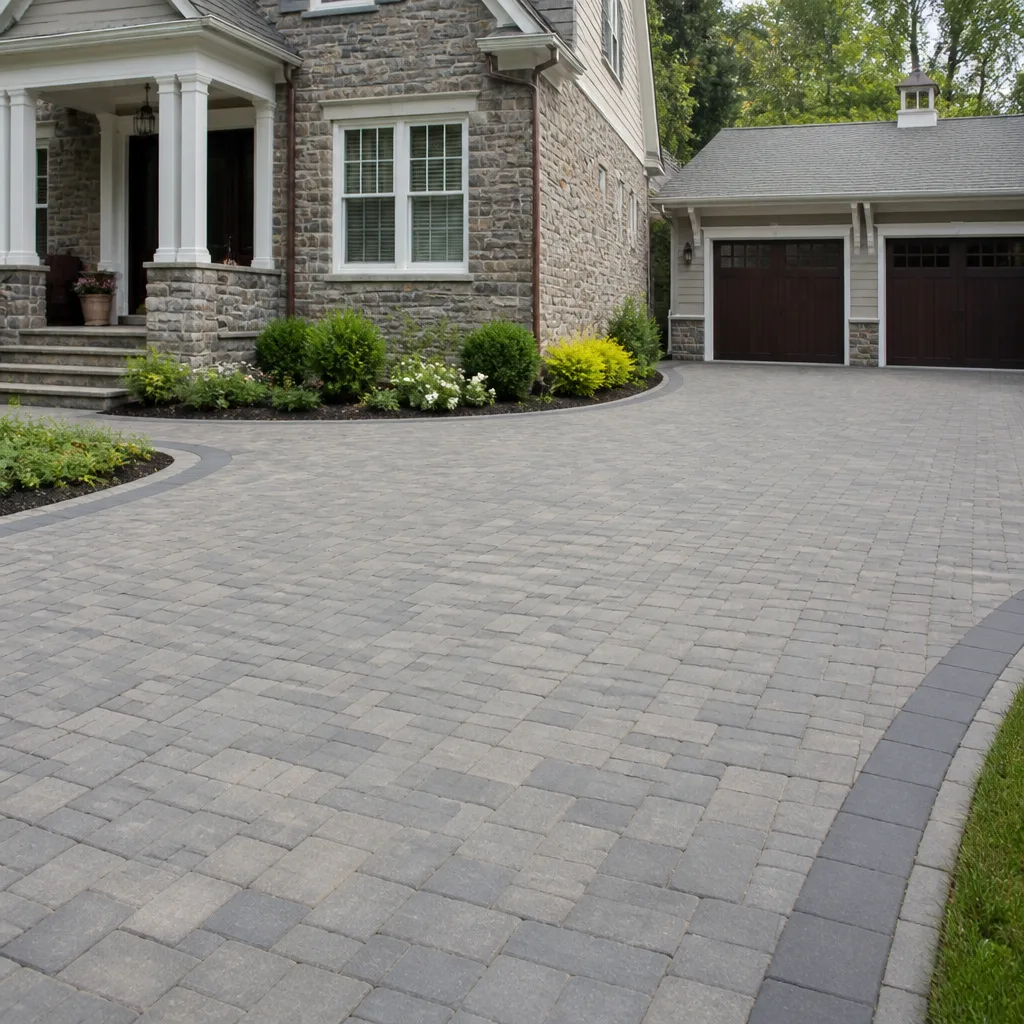
- Landscaping hardscape under 30 inches: Pavers, gravel beds, planter walls under height threshold. Belgard or Techo-Bloc pavers run $8-$14 per square foot material; professional installation adds $12-$18 per square foot. For a 200-square-foot patio, DIY saves $2,400-$3,600 if the substrate is properly compacted. Rent a plate compactor ($85/day) and use Class II base rock, not just sand.
Projects where professional work pays for itself
- Kitchen and bathroom remodeling: Permitted, multi-trade work with plumbing, electrical, and structural elements. The Kitchen Remodeling in Los Angeles and Bathroom Remodeling in Los Angeles pages detail our scope, but the decisive factor is warranty and documentation. Our 365-Day Done Right Promise covers the integrated system, not individual components. A homeowner who self-installs a faucet and later discovers a leak behind the wall has no recourse except self-funded repair.
- Roofing: Los Angeles roofing must meet Title 24 cool roof requirements, fire ratings for hillside zones, and wind uplift standards for canyon areas. GAF and Owens Corning shingle systems require manufacturer-certified installation for warranty validity. A self-installed roof carries no material warranty and no workmanship warranty, and most buyers’ insurers decline coverage on owner-installed roofing. See Roofing in Los Angeles for specification details.
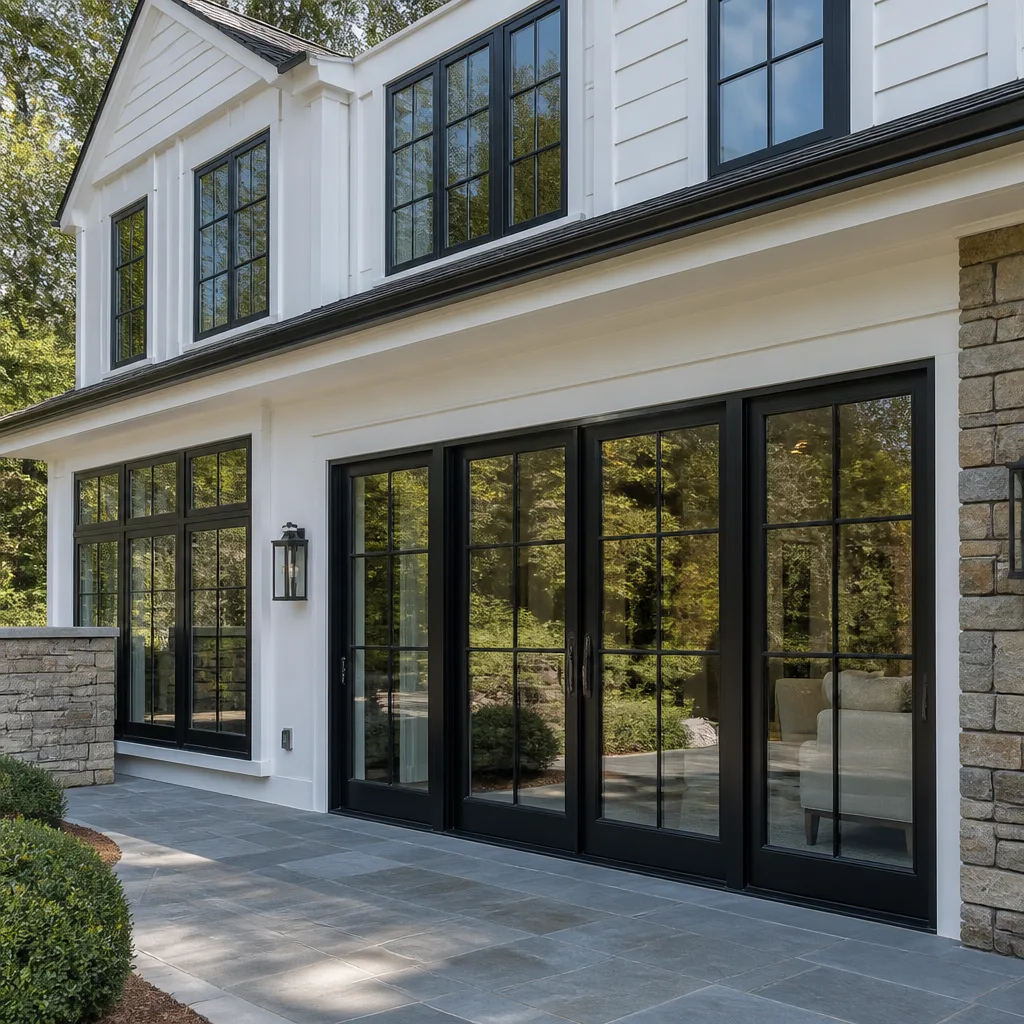
- Windows and doors: Modern replacement windows are systems, not components. Proper flashing integration with the weather-resistant barrier, correct shimming for structural movement, and Title 24 compliance documentation are standard in our installation and absent in DIY. Failed window installation in Los Angeles manifests as water intrusion during the first Santa Ana wind-driven rain, typically 2-3 years post-installation, when the owner-builder has no warranty recourse.
- Home additions and ADUs: California’s ADU laws (Government Code Section 65852.2) streamline permitting but do not reduce structural, electrical, or plumbing requirements. An owner-builder ADU in Los Angeles requires full structural engineering, Title 24 energy compliance, and utility coordination with LADWP or SCE. The documentation burden alone exceeds most homeowners’ capacity; the liability exposure for foundation or structural failure is catastrophic.
The dividing line: if the project requires a permit and involves more than one trade, professional engagement typically pays for itself in risk reduction, warranty coverage, and resale documentation. If the project requires no permit and involves one trade or none, DIY savings are real and achievable with honest time accounting.
DIY Work at Resale: Disclosure, Inspections, and Retroactive Permits
California’s Transfer Disclosure Statement (TDS), required on virtually all residential resales, asks specifically: “Are you aware of any room additions, structural modifications, or other alterations or repairs made without necessary permits?” The question is not “did you pull permits”; it is “are you aware” of unpermitted work. An owner-builder who performed permitted work must still disclose the owner-builder status, because it affects warranty transferability and insurance coverage.
Buyers in Los Angeles increasingly use permit history services (LADBS PAB, third-party reports) as a standard due diligence step. Unpermitted work, whether DIY or contractor-performed, appears as a gap in the permit record. The buyer’s leverage is substantial: they can demand retroactive permitting, price reduction, or contract cancellation.
Retroactive permitting in Los Angeles follows a specific and expensive path. For work performed without permit, the owner must:
- File a “Permit Application for Work Already Completed” with LADBS, paying double the standard permit fee as penalty
- Expose the work for inspection (open walls, remove finish materials as required)
- Engage a licensed contractor to certify compliance if the original work does not meet current code
- Pass all inspections as if the work were new
- Obtain Certificate of Occupancy or final sign-off
The cost ranges for common retroactive permits in Los Angeles, based on our experience with takeover projects:
- Bathroom remodel, unpermitted: $4,500-$8,000 in permit penalties, exposure, and corrective work
- Kitchen remodel with electrical/plumbing, unpermitted: $6,000-$12,000
- ADU or addition, unpermitted: $15,000-$40,000, frequently requiring partial demolition to expose framing and utilities
- Roofing replacement, unpermitted: $3,500-$7,000, plus potential requirement to bring entire roof to current Title 24 standards
The owner-builder exemption does not protect against these costs. If the work was performed under the exemption and the property is sold within one year, the presumption of fraud under B&P Code 7044.1 creates additional exposure beyond the permit penalties. Even after one year, the disclosure obligation remains.
Professional contractor work, properly permitted, generates a clean record that transfers without friction. Under Clause 1 of the Haven Standard, our written price includes permit costs; our documentation package includes all inspection sign-offs; and our photo record provides evidence of code-compliant installation that satisfies any buyer’s due diligence.
Safety, Warranty, and the Documentation Gap
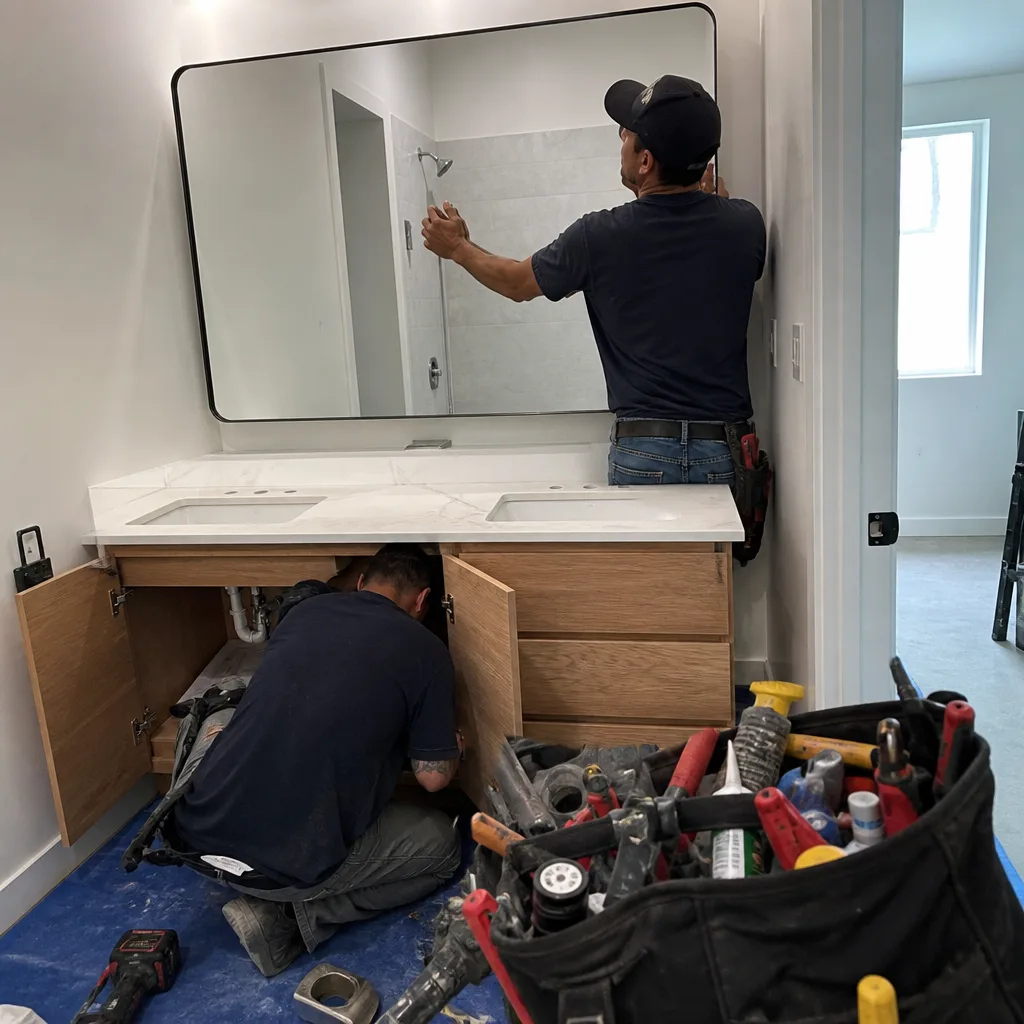
Construction work in Los Angeles presents specific hazards that DIY guides minimize. Hillside homes in the Hollywood Hills or Pacific Palisades require shoring and scaffolding for exterior work that most homeowners cannot safely erect. Post-war homes in the San Fernando Valley may contain lead paint or asbestos that requires Cal/OSHA-compliant abatement. The Santa Ana wind season creates fall hazards for roofing work that professional crews mitigate with engineered anchor systems.
More fundamentally, professional work carries warranty chains that DIY cannot replicate. When Rowan Construction Group Los Angeles installs a Kohler fixture, the fixture warranty (typically limited lifetime) remains valid because installation was performed by a licensed contractor. When a homeowner self-installs the same fixture, Kohler’s warranty requires proof of licensed installation; absent that, coverage is limited to manufacturing defects, not installation failures.
The documentation gap is equally consequential. Our standard deliverable on every project includes:
- Written scope of work with line-item pricing
- Signed change order for any modification, with cost and schedule impact stated before work proceeds
- Permit application and all inspection sign-offs
- Manufacturer warranty registrations
- Documented photo record of pre-existing conditions, work-in-progress, and completed installation
- 365-Day Done Right Promise certificate with terms page reference
An owner-builder generates none of this as a matter of course. The photo on their phone is not a documented record; it is evidence without chain of custody, without date verification, without professional interpretation. When a leak appears three years after a self-installed shower, the homeowner has no documentation to support an insurance claim or dispute with a material supplier.
The safety caveat for high-risk work: garage door spring replacement, electrical panel work, gas line modification, and steep-slope roofing are genuinely dangerous. Torsion springs store lethal energy; electrical panels contain unfused service conductors; gas leaks create explosion hazards; falls from single-story roofs cause permanent injury. We do not provide step-by-step instructions for these because no competent contractor would. If your project involves these elements, the appropriate action is engaging a licensed professional, not researching techniques.
Common Mistakes to Avoid
- Assuming the owner-builder exemption covers any work on your own home. It does not cover work performed for resale, work performed by hired unlicensed labor, or work outside the specific trades permitted. The exemption is narrow; treat it that way.
- Pulling a “cosmetic” permit for work that alters structure, plumbing, or electrical. LADBS inspectors in Los Angeles are trained to identify scope expansion. A kitchen “cosmetic” permit that reveals relocated plumbing triggers stop-work and permit revocation.
- Valuing your time at zero. The $3,200 material cost versus $8,000 professional quote ignores 80-120 hours of labor, tool costs, and the risk of corrective professional engagement. Run the numbers at $25-$35 per hour and the picture changes.
- Ignoring resale timeline implications. If you might sell within five years, owner-builder work creates disclosure obligations and buyer skepticism that professional work does not. The savings evaporate in price negotiation.
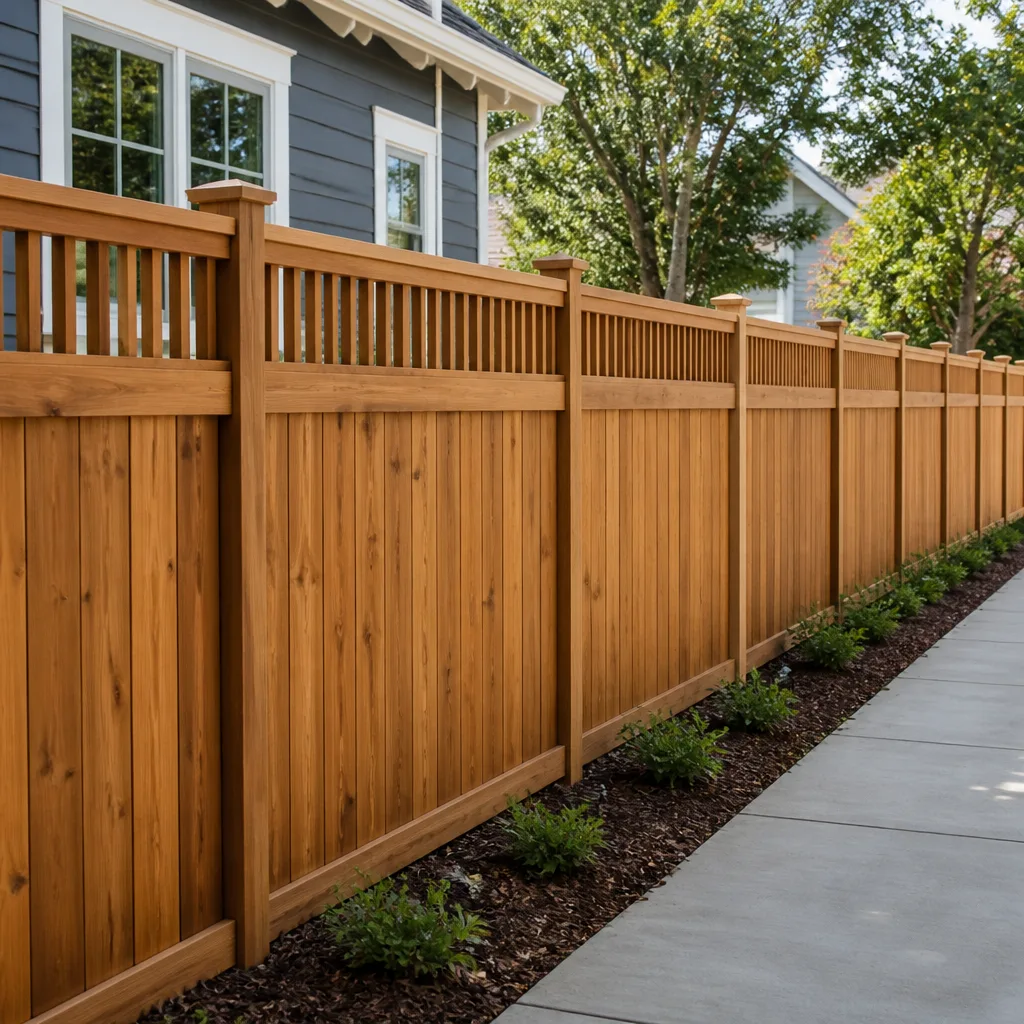
- Skipping permit research on “minor” projects. Los Angeles requires permits for water heater replacement, fence construction over 6 feet, and even some retaining walls under 30 inches in hillside zones. The permit map is not intuitive; verify before starting.
- Using online cost calculators without Los Angeles adjustment. National averages for tile, lumber, and labor are 20-40% below Los Angeles market rates. A calculator using national data will understate your costs substantially.
- Failing to test for asbestos and lead before demolition. Pre-1980 Los Angeles homes frequently contain both. Disturbing these materials without abatement creates health liability and EPA/DTSC exposure. The $150-$300 test is cheaper than the $15,000-$50,000 remediation.
When to Call a Professional
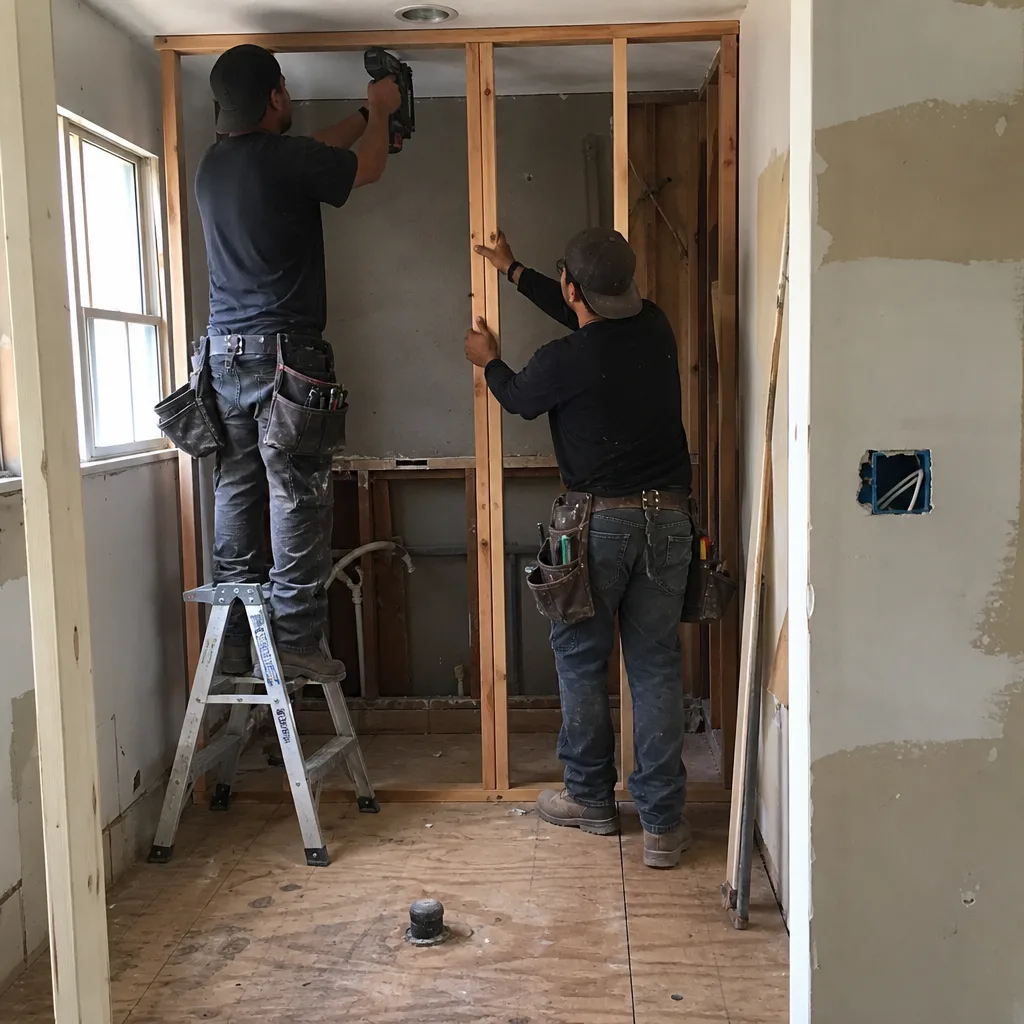
Call a licensed contractor when your project involves multiple trades, requires a permit, affects structural elements, or will be sold within your foreseeable future. The documentation, warranty coverage, and code compliance that professional work provides are not luxuries in the Los Angeles market; they are baseline requirements for protected equity.
Rowan Construction Group Los Angeles offers free estimates on every trade we perform, from Kitchen Remodeling in Los Angeles through Roofing in Los Angeles and full Rowan Construction Group Los Angeles home additions. We also provide a Free Second Opinion on any written estimate - bring a competitor’s line-item quote and we will review it against our specification and pricing at no charge. Under Clause 1 of the Haven Standard, the price is written before any work starts, every time. Call (213) 652-7670 to schedule your free estimate.
Frequently Asked Questions
Retroactive permits in Los Angeles typically cost $4,500-$12,000 for kitchen or bathroom remodels, and $15,000-$40,000 for ADUs or additions, including double permit fees, exposure work, and corrective modifications to meet current code. The penalty structure makes initial permitting the economical choice. Call (213) 652-7670 for an exact quote on your specific project - estimates are free.
California’s owner-builder exemption allows property owners to act as their own general contractor for ADUs on their primary residence, but you must personally perform the work or hire licensed subcontractors for each trade, file CSLB disclosure forms, and comply with all LADBS structural, electrical, plumbing, and energy requirements. Most homeowners find the documentation and inspection burden exceeds their capacity. Rowan Construction Group Los Angeles has completed ADU projects across Los Angeles with full permit documentation and the 365-Day Done Right Promise.
DIY kitchen remodeling hurts resale value if the work is unpermitted, fails to meet code, or lacks documentation of proper installation; permitted, code-compliant DIY work with full inspection records transfers cleanly but still raises buyer questions about warranty coverage. Professional work with written warranties and permit history commands stronger offers. Our Free Second Opinion service can evaluate whether existing DIY work meets market standards.
Selling within one year of owner-builder work creates a rebuttable presumption of fraud under California Business and Professions Code Section 7044.1, which shifts the burden of proof to you to demonstrate the work was not performed for speculative resale. This presumption appears in disclosure litigation and can affect title insurance coverage. Professional contractor work carries no such presumption.
Homes built before 1980 in Los Angeles should be tested for asbestos in drywall joint compound, flooring adhesive, and insulation, and for lead paint on any painted surface; certified lab analysis costs $150-$300 per material type and is required before disturbance under Cal/OSHA and EPA regulations. We include testing recommendations in every pre-demolition scope and can coordinate certified abatement when needed.
Yes, we regularly take over partially completed DIY projects in Los Angeles, though the cost typically exceeds the original professional quote because we must first assess and often demolite non-compliant work before proper installation begins. We provide written line-item pricing for remediation and completion before any work starts, under the same Haven Standard that governs all our projects. Call (213) 652-7670 to schedule assessment and estimate.
The Bottom Line
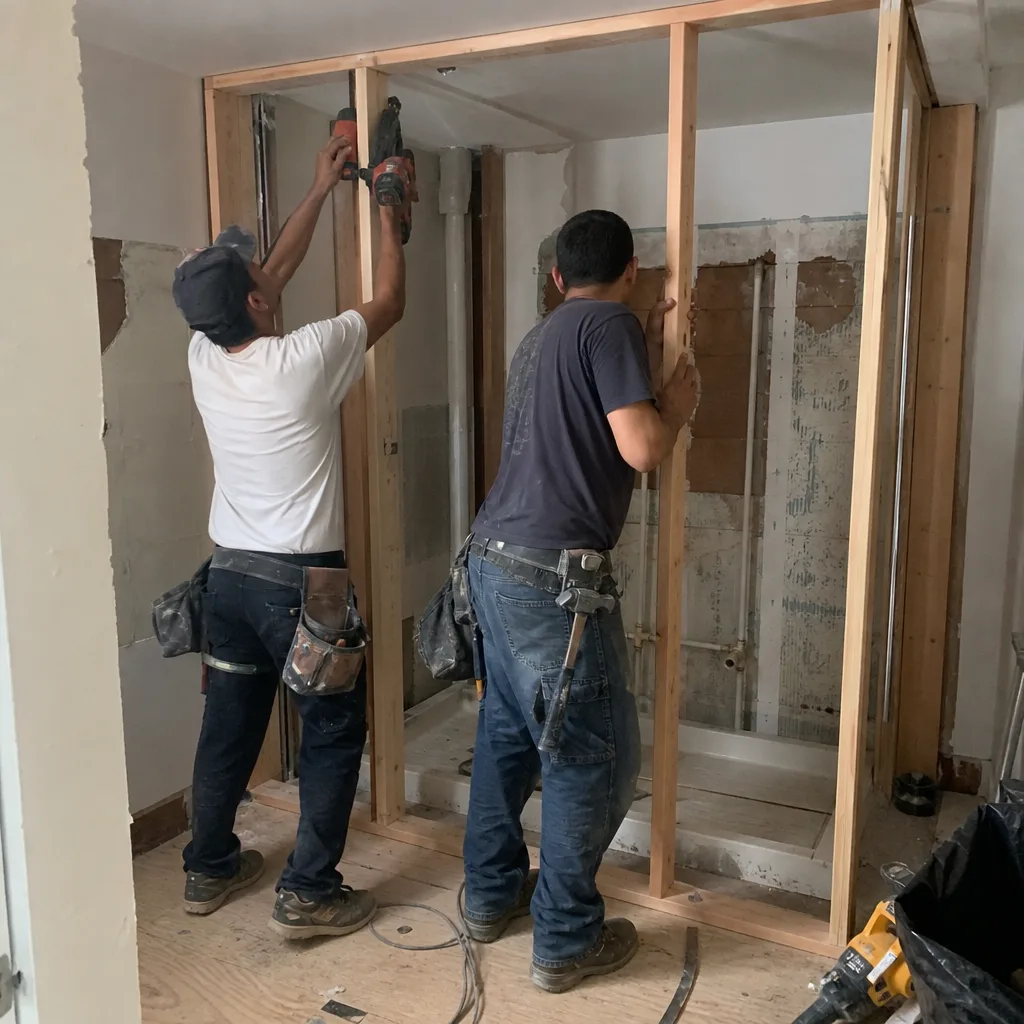
The DIY-versus-professional decision in Los Angeles is a legal and financial calculation first, a skill assessment second. California’s owner-builder exemption is real but narrowly bounded, and the resale presumption in B&P Code 7044.1 creates exposure that most DIY resources never mention. For permitted, multi-trade work, professional engagement pays for itself in warranty coverage, documentation, and clean title transfer. For cosmetic, non-structural, no-permit projects, DIY savings are achievable with honest accounting for time, tools, and material waste. The critical step is mapping your specific project against the statutory boundary before purchasing materials, not after the first inspection failure.
Written by Grant Rowan, Owner at Rowan Construction Group Los Angeles, serving Los Angeles since 2007.