
Last updated September 22, 2026
Free written scope consultation - allowances, timeline, and change-order rules on paper before a single trade is scheduled
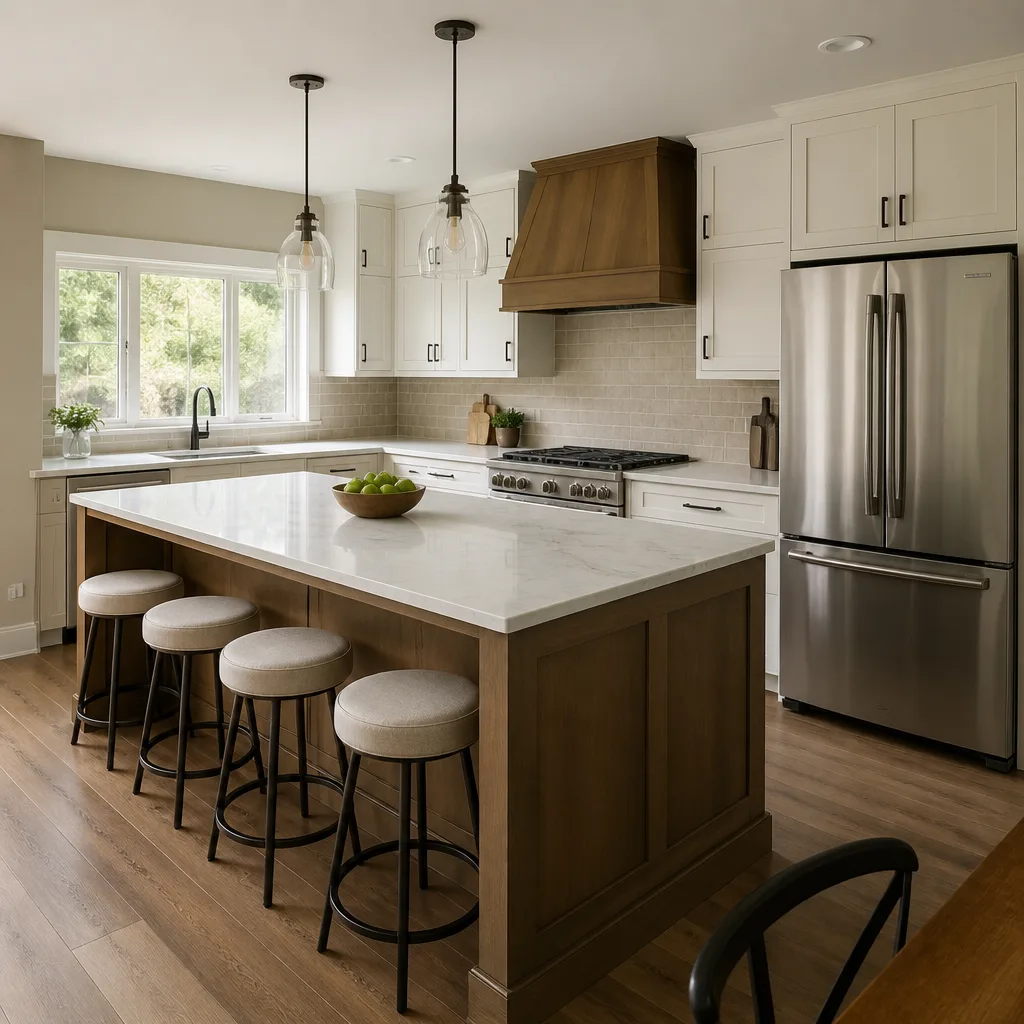

 Before
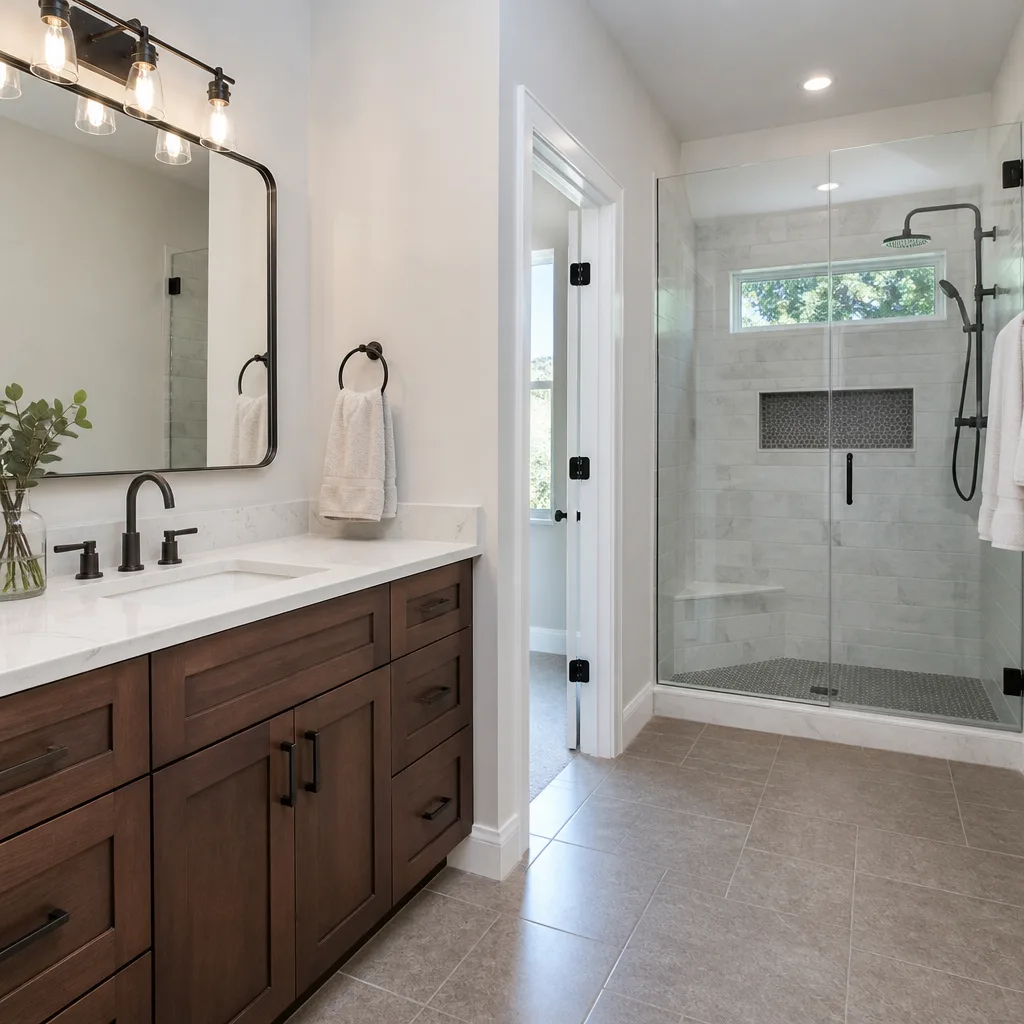
 After
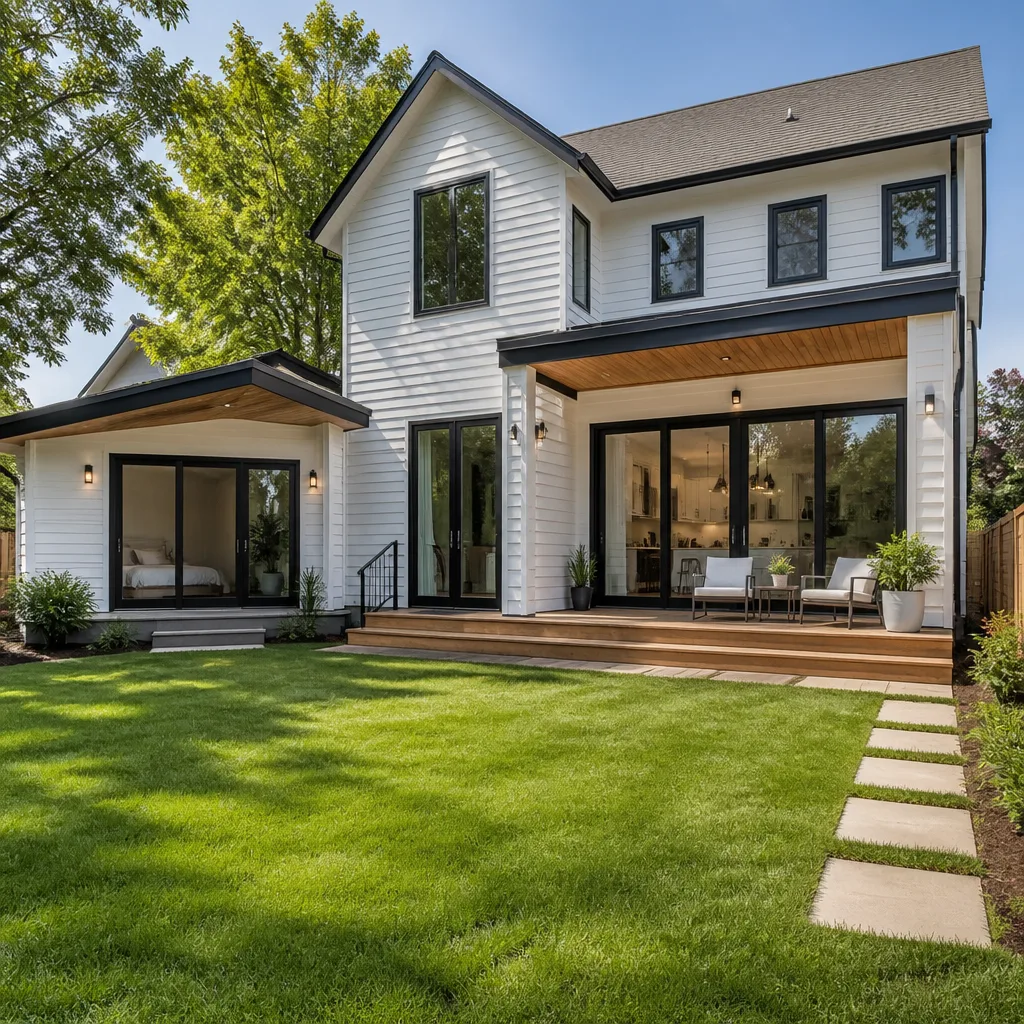
After Before
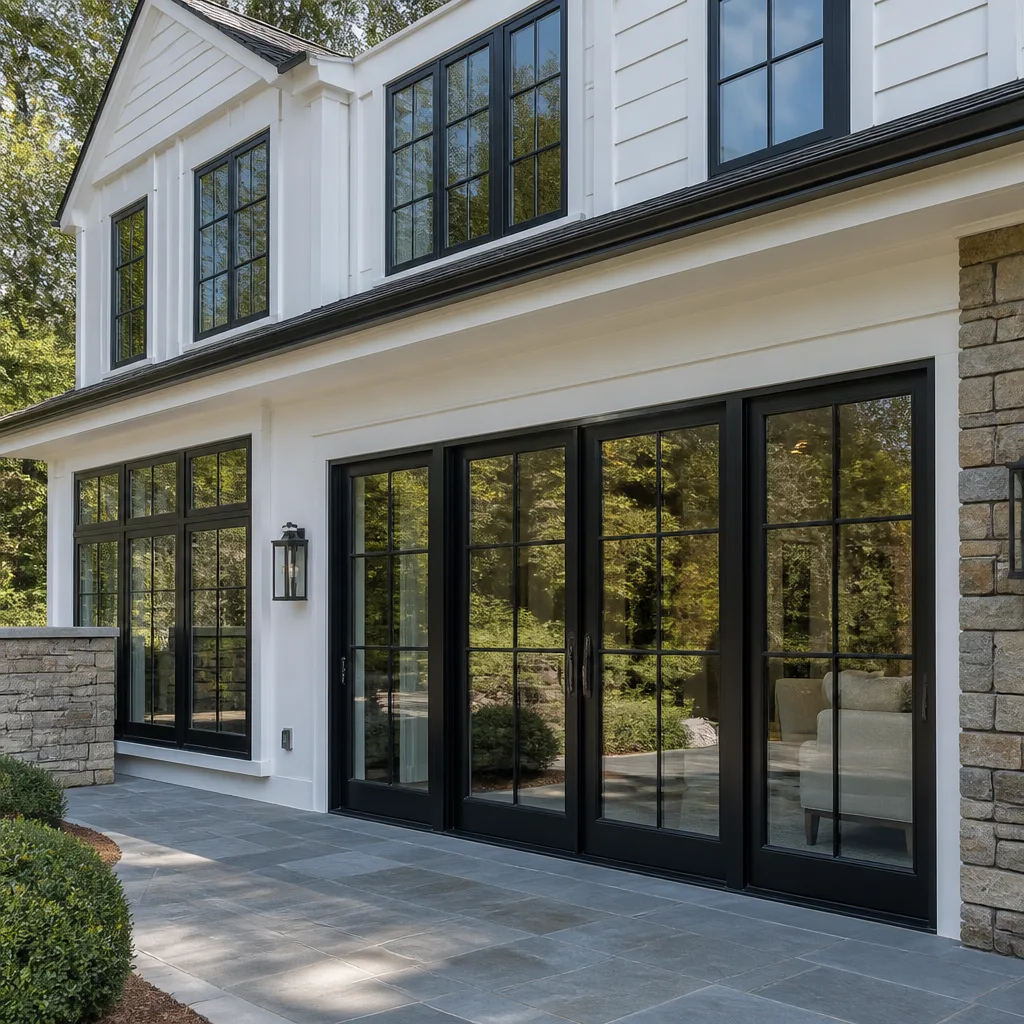
 After
After Before
 After
AfterHow to Hire a Construction Contractor in Los Angeles: A Step-by-Step Guide
California’s Contractors State License Board lists every disciplinary action, insurance lapse, and license suspension in a public database at cslb.ca.gov - but fewer than one in ten homeowners checks it before signing a contract. That gap is why the CSLB fields roughly 20,000 complaints per year, many from Los Angeles County, where the volume of residential construction and the complexity of LADBS permitting create more opportunities for paperwork shortcuts than anywhere else in the state. Our Complete Guide to Construction in Los Angeles treats hiring a contractor as a document-verification process first and a conversation second. We’ll walk through the exact records to pull, the line items every bid should contain, and the contract clauses that protect you when work starts.
Quick Answer
Hiring a construction contractor in Los Angeles requires verifying four documents before you request a bid: an active CSLB license in the correct classification, a current $15,000 contractor’s bond, a valid workers’ compensation certificate, and a clean complaint history on cslb.ca.gov. Only after verification should you compare written bids that itemize labor, materials, permits, and contingency as separate line items, and only sign a contract that includes a written scope, start and completion dates, and a signed change-order clause.
Table of Contents
- Step 1: Verify the License on cslb.ca.gov
- Step 2: Read the Complaint History Like an Investigator
- Step 3: Structure a Bid You Can Compare Apples-to-Apples
- Step 4: Require a California-Compliant Contract
- Step 5: Lock in the Change-Order Discipline
- Step 6: Spot Red Flags Specific to Los Angeles
- Step 7: Navigate LADBS Permits Without Surprises
- Common Mistakes to Avoid
- When to Call a Professional
- Frequently Asked Questions
- The Bottom Line
 Before
 After
AfterStep 1: Verify the License on cslb.ca.gov
Every legitimate construction contractor in Los Angeles carries a CSLB license number. It should appear on their website, business card, truck door, and any advertisement. The number is not decorative. It is the key to a public record that tells you whether this person is currently licensed, properly bonded, and insured.
Go to cslb.ca.gov and use the “Check License II” search. Enter the six- or seven-digit license number. What comes back is a page with several sections, and you should read all of them before you save the contractor’s contact information.
What to check on the license detail page
- License status: Must read “Active.” Suspended or expired means no legal contracting.
- Classification: A Class B General Building Contractor can oversee projects involving two or more unrelated trades. If your project is single-trade - roofing only, or electrical only - the contractor should hold that specific classification (C-39 for roofing, C-10 for electrical) or employ a subcontractor who does.
- Bond: California requires a $15,000 contractor’s bond for Class B contractors. The bond page shows the surety company and expiration date.
- Workers’ compensation: If the contractor has employees, this section shows coverage. If it says “Exempt,” the contractor claims to have no employees. That is legal but uncommon for firms doing full-room remodels or additions. An exempt contractor who actually uses day laborers is operating illegally and leaving you exposed.
- Business name match: The name on the license should match the name on the quote and contract. A mismatch is a flag for hidden subcontracting or a borrowed license.
Print or screenshot this page. If a contractor cannot produce a license number, or the number searches to a different name, stop. This is not a negotiation point. In Los Angeles, where unpermitted work and unlicensed contracting are persistent problems, this single check eliminates more risk than any other step.
At Rowan Construction Group Los Angeles, our license number appears on every proposal and every page of our site. We expect homeowners to verify it. Under Clause 1 of the Haven Standard, the price is written before anyone starts - but the license is public before the price is even discussed.
Step 2: Read the Complaint History Like an Investigator
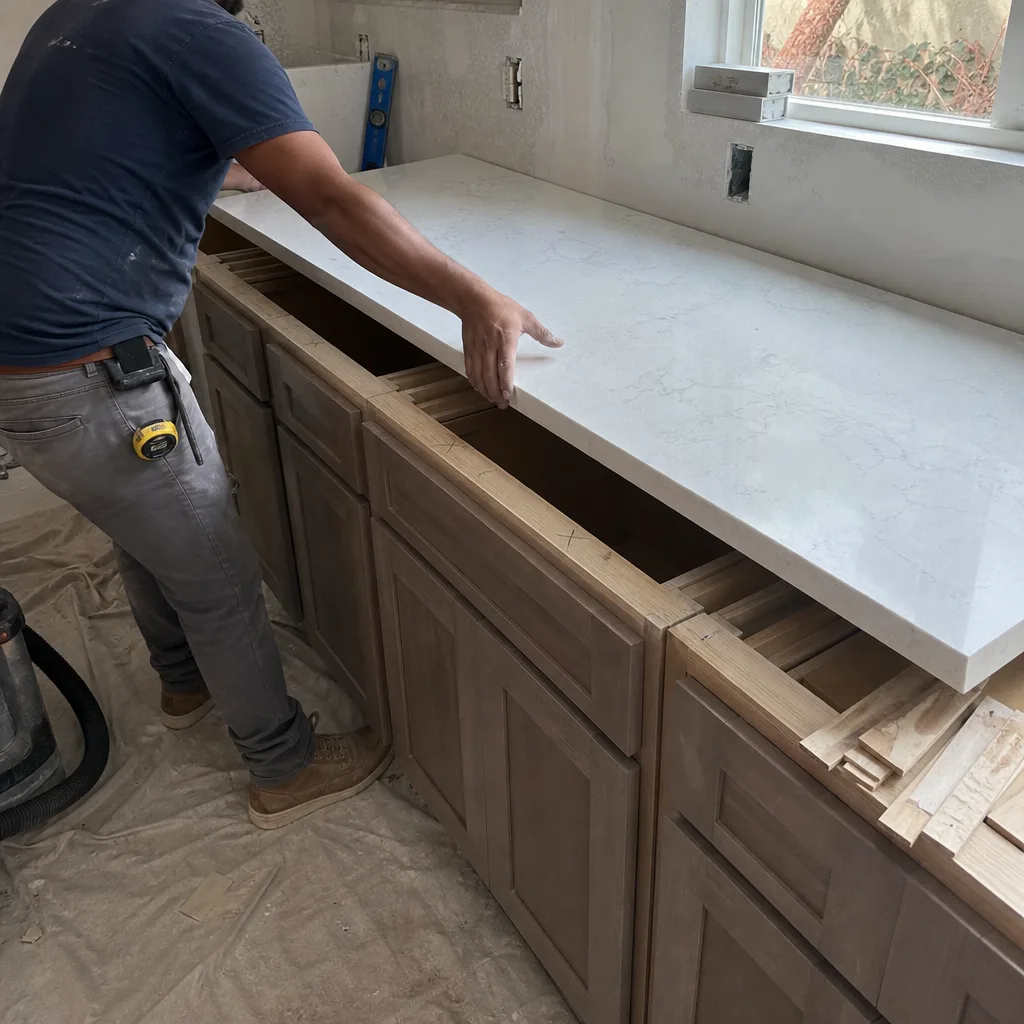
The same cslb.ca.gov page contains a “Complaint History” section. This is where most homeowners stop reading, which is a mistake. The history shows not just the number of complaints but their type, disposition, and date pattern.
A single complaint from five years ago that was dismissed may mean nothing. Three complaints in the past eighteen months, even if closed, indicate a pattern worth understanding. Click into each complaint to see the classification: “Contractor abandoned job,” “Contractor failed to pay subcontractors,” “Contractor misrepresented cost,” “Contractor failed to complete work in a workmanlike manner.” The language is standardized, so you can compare across contractors.
Pay attention to the bond claims. If a homeowner had to file against the contractor’s bond to recover money, that means the CSLB’s informal resolution process failed and the homeowner pursued the surety. It is a strong negative signal.
In Los Angeles, complaint patterns often cluster around specific project types. Kitchen and bathroom remodels generate the most complaints because they involve the most trades, the longest timelines, and the greatest opportunity for scope disagreement - which is why we publish a dedicated Kitchen Remodeling Maintenance Checklist for Los Angeles Homeowners. A contractor with multiple complaints in these categories but clean records on roofing or fencing may lack the project-management discipline for complex interior work.
We have reviewed competitor complaint histories during our Free Second Opinion consultations and found cases where a contractor’s bond had lapsed mid-project, or where a classification did not cover the work being bid. These are not rare exceptions. They are discoverable facts that change the risk calculation.
Step 3: Structure a Bid You Can Compare Apples-to-Apples
Once you have two or three licensed contractors with clean histories, request written bids. The word “written” matters. A bid delivered by text or verbal estimate cannot be compared and cannot be enforced. California law requires a written contract for home improvement projects over $500, but the bid that precedes it should also be documented.
The most common mistake in Los Angeles is comparing bids that use different scopes, different material specifications, or different assumptions about who pulls permits. A $45,000 kitchen bid and a $62,000 kitchen bid are not automatically comparable. The lower bid may exclude demolition, or assume you will supply cabinets, or plan to reuse existing electrical. Without line-item detail, you cannot know.
Line items every Los Angeles residential bid should contain
| Line Item | What It Covers | Why It Matters for Comparison |
|---|---|---|
| Demolition and haul-away | Removal of existing fixtures, cabinets, flooring, drywall; debris disposal | Some contractors assume homeowner handles this; others include dump fees that vary by LA transfer station |
| Rough construction | Framing, structural changes, wall relocation | Required for load-bearing changes; should specify permit status |
| Plumbing rough and finish | Pipe relocation, fixture installation, water heater connections | LA’s aging copper and galvanized lines often need replacement once exposed |
| Electical rough and finish | Panel upgrades, circuit additions, outlet and lighting installation | Older Los Angeles homes may need service upgrades to 200-amp; should be stated |
| HVAC modifications | Duct relocation, venting, mini-split installation | Required for room additions; often omitted from interior-only bids |
| Insulation and weatherization | Wall and ceiling insulation, air sealing | LA Title 24 energy code requirements; affects permit approval |
| Drywall, texture, paint | Installation, Level 5 finish, primer and paint | “Paint ready” vs. “finished paint” is a common scope gap |
| Flooring | Substrate prep, material, installation | Should specify brand and line (e.g., Kitchen Remodeling in Los Angeles often uses engineered hardwood or large-format tile) |
| Cabinets and countertops | Box construction, hardware, stone or quartz surface | Brand names matter: KraftMaid, Wellborn, Cambria, Caesarstone have different price tiers and warranty terms |
| Fixtures and appliances | Sinks, faucets, toilets, tubs, cooktops, ovens | Should state whether contractor supplies or homeowner purchases separately |
| Permits and fees | LADBS plan check, inspection fees, expediting if applicable | LA permit costs vary by project valuation; should be estimated, not hidden |
| Contingency | 10-15% buffer for concealed conditions | Older LA homes have plaster-and-lath walls, ungrounded wiring, asbestos; contingency protects both parties |
A bid without this level of detail is not a bid. It is a conversation starter, and conversation starters are where cost overruns begin. At Rowan Construction Group Los Angeles, every quote is a flat price with a written scope and a written warranty. We do not provide “ballpark” figures because a ballpark is not a number you can plan around.
Step 4: Require a California-Compliant Contract
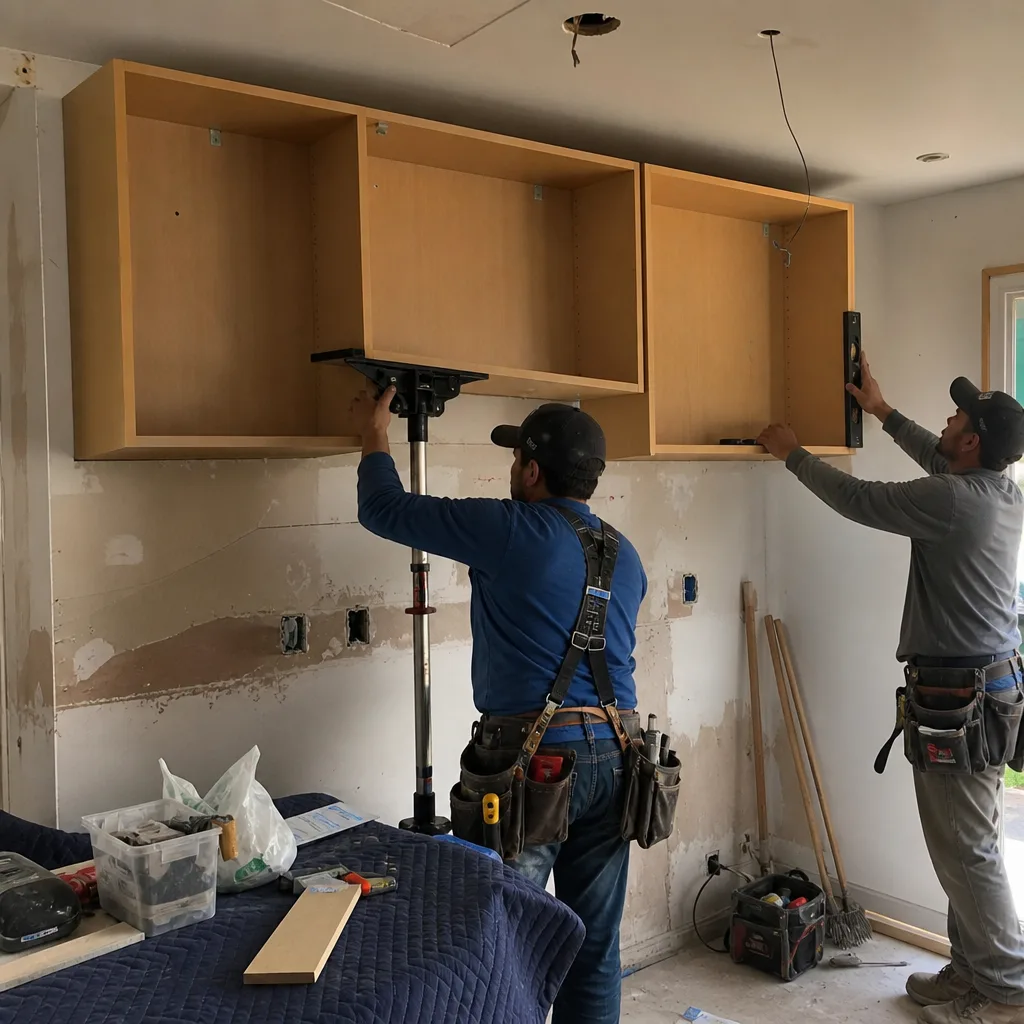
California Business and Professions Code Section 7159 specifies what must appear in a residential construction contract. A contractor who omits these items is not being informal. They are violating state law, and the contract may be unenforceable against them.
Checklist: Required elements under B&P Code 7159
- Contractor’s name, address, and CSLB license number - must match the cslb.ca.gov record exactly
- Property owner’s name and address - the address where work will occur
- Description of work to be performed - the scope, with specificity; “remodel kitchen” is not sufficient
- Materials and equipment to be used - major items identified by brand, model, or quality grade
- Total contract price - including all financing charges if applicable
- Payment schedule - California limits down payments to 10% of the total or $1,000, whichever is less; progress payments must be tied to completion of specific work phases
- Approximate start and completion dates - not “ASAP” or “spring”; calendar dates
- Notice of cancellation rights - three-day right to cancel for most residential contracts
- Notice of mechanic’s lien rights - required language about lien law protections
- Workers’ compensation and commercial general liability insurance certificates - or a signed statement that the contractor carries these coverages
In Los Angeles, the LADBS also requires that the contractor or homeowner pull permits before work begins. The contract should state who handles this. If the contractor says “don’t worry about permits,” that is a red flag we address in Step 6.
The contract should also reference the contractor’s warranty. At Rowan Construction Group Los Angeles, the 365-Day Done Right Promise is printed on every page and backed by a terms page, not an asterisk. The warranty is part of the contract, not a separate brochure.
Step 5: Lock in the Change-Order Discipline
This is where most construction projects in Los Angeles lose budget control. A homeowner asks for a change mid-project - a different tile, a relocated outlet, an added window. The contractor agrees verbally. Work proceeds. At final billing, the change costs $4,200, and the homeowner remembers agreeing to “a little extra” but not to a specific number.
California does not require change orders in writing for every modification, but any contractor who has delivered 4,000 projects without significant cost overrun has learned to require them. The clause should read something like this:
“No additional work, material, or change in scope shall proceed until both parties have signed a written change order describing the modification and its price. Verbal approvals, email discussions, or text messages do not constitute authorization for additional work.”
This clause protects both parties. The homeowner knows the exact cost before agreeing. The contractor has documented authorization if payment is disputed. Without it, a Los Angeles kitchen remodel that started at $58,000 can finish at $71,000 with nothing in writing to explain the difference - a scenario our Seasonal Construction Care for Los Angeles: Year-Round Homeowner’s Guide helps you avoid.
The Haven Standard, which Rowan Construction Group Los Angeles operates under, makes this Clause 2: no work proceeds on a change until the change order is signed. This is the administrative discipline Haven acquired Rowan for, and the reason our projects finish within a few percent of the number the customer agreed to. We have seen competitor projects where the final invoice exceeded the original contract by 30% or more, with no signed change orders to justify the increase. Those homeowners had no leverage in dispute.
Step 6: Spot Red Flags Specific to Los Angeles
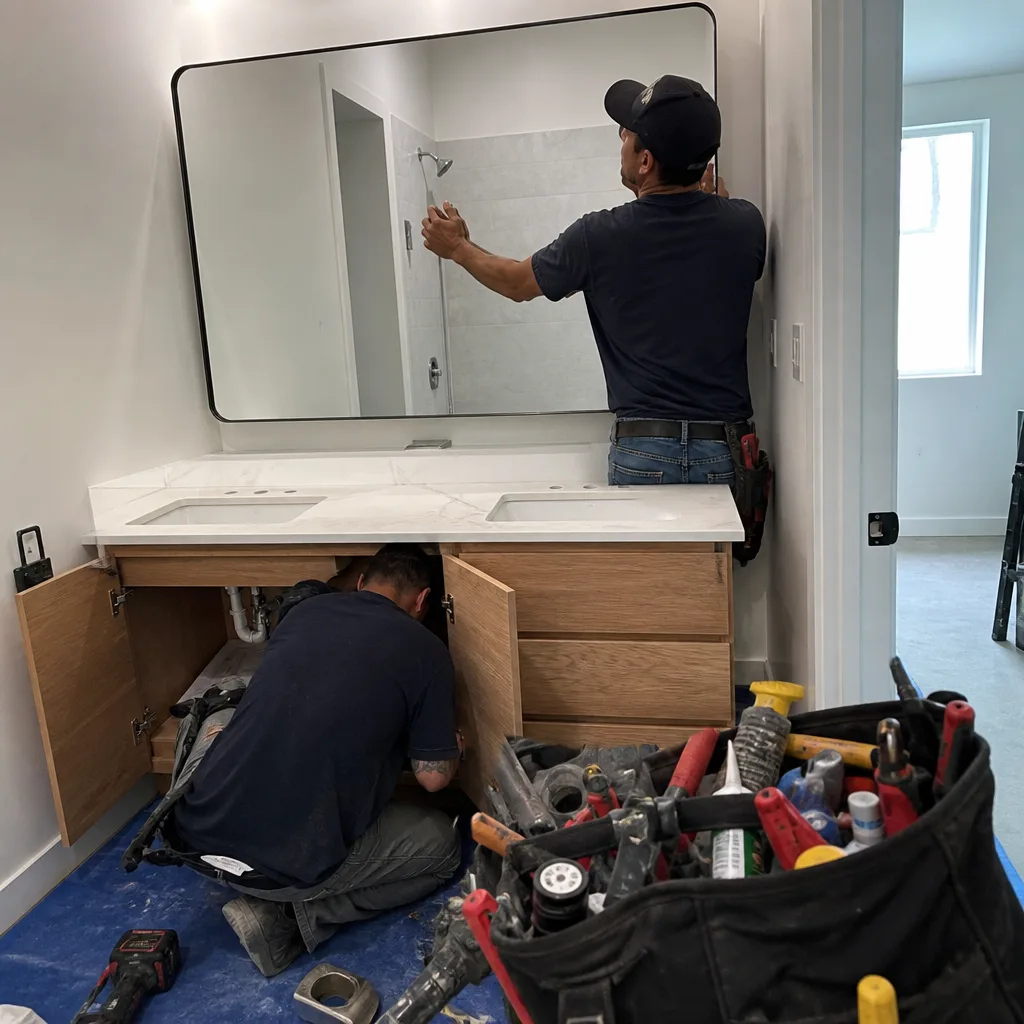
Los Angeles has construction market conditions that create specific risks. These are not universal red flags. They are local patterns we have observed across eighteen years and 4,000-plus projects.
The owner-builder exemption workaround
California allows homeowners to act as their own general contractor under an owner-builder permit. Some unlicensed contractors persuade homeowners to pull permits under this exemption, then perform the work themselves. This transfers all liability to the homeowner: no contractor’s bond to claim against, no workers’ compensation if someone is injured, no CSLB complaint pathway. The homeowner becomes the de facto employer.
If a contractor suggests you pull the permit as owner-builder while they do the work, decline. This is common in hillside areas like Laurel Canyon and Beachwood Canyon, where steep access makes legitimate contractors selective and unlicensed operators fill the gap.
The “we’ll handle permits later” delay
LADBS permitting in Los Angeles can take eight to twelve weeks for plan check on a major remodel. Some contractors start demolition during this period, betting they can get permits before inspections are needed. If the permit is denied or requires revision, work stops and the homeowner pays for idle crew time. The contract should state that permits are pulled and approved before work begins, with a specific timeline.
The material substitution without documentation
Los Angeles supply chains for construction materials have been volatile since 2020. A contractor who orders KraftMaid cabinets and receives a comparable line from a different manufacturer may substitute without written notice. The contract should require written approval for any material substitution, with the right to reject and receive the originally specified item.
The “all-inclusive” bid with no line items
We addressed this in Step 3, but it deserves repetition as a red flag. An all-inclusive bid is not transparency. It is opacity with a single number attached. You cannot verify what is included, what is excluded, or what assumptions the contractor made about your existing conditions.
Step 7: Navigate LADBS Permits Without Surprises
The Los Angeles Department of Building and Safety (LADBS) processes permits for construction, electrical, plumbing, and mechanical work. The process is not optional for most residential projects, and attempting to bypass it creates title problems when you sell, insurance denial if damage occurs, and mandatory disclosure requirements under California’s Transfer Disclosure Statement.
When LADBS permits are required
- Any structural modification, including wall removal or addition
- Electrical panel upgrades or new circuits
- Plumbing relocation or fixture addition
- HVAC installation or duct modification
- Room additions, ADUs, or garage conversions
- Roof replacement (not repair) and re-roofing with different materials
- Window replacement that changes the opening size or egress compliance
Permit costs in Los Angeles are calculated based on project valuation. For a $75,000 kitchen remodel, plan check and permit fees typically run $1,200-$2,400, with additional fees for expedited review if the contractor uses LADBS’s Express Plan Check program. These costs should appear as a line item in the bid, not as a surprise after contract signing.
Inspections follow a sequence: rough inspection after framing and MEP (mechanical, electrical, plumbing) installation but before insulation and drywall; final inspection after all finish work. A contractor who asks you to conceal work before inspection - “we’ll just cover it, the inspector won’t know” - is asking you to participate in a code violation that voids your permit and creates liability.
For Roofing in Los Angeles, LADBS requires a separate roofing permit for full replacement. The permit application must specify the shingle type, underlayment, and ventilation configuration. GAF and Owens Corning, two brands we specify regularly, have installation requirements that must be documented for warranty purposes as well as code compliance.
Common Mistakes to Avoid
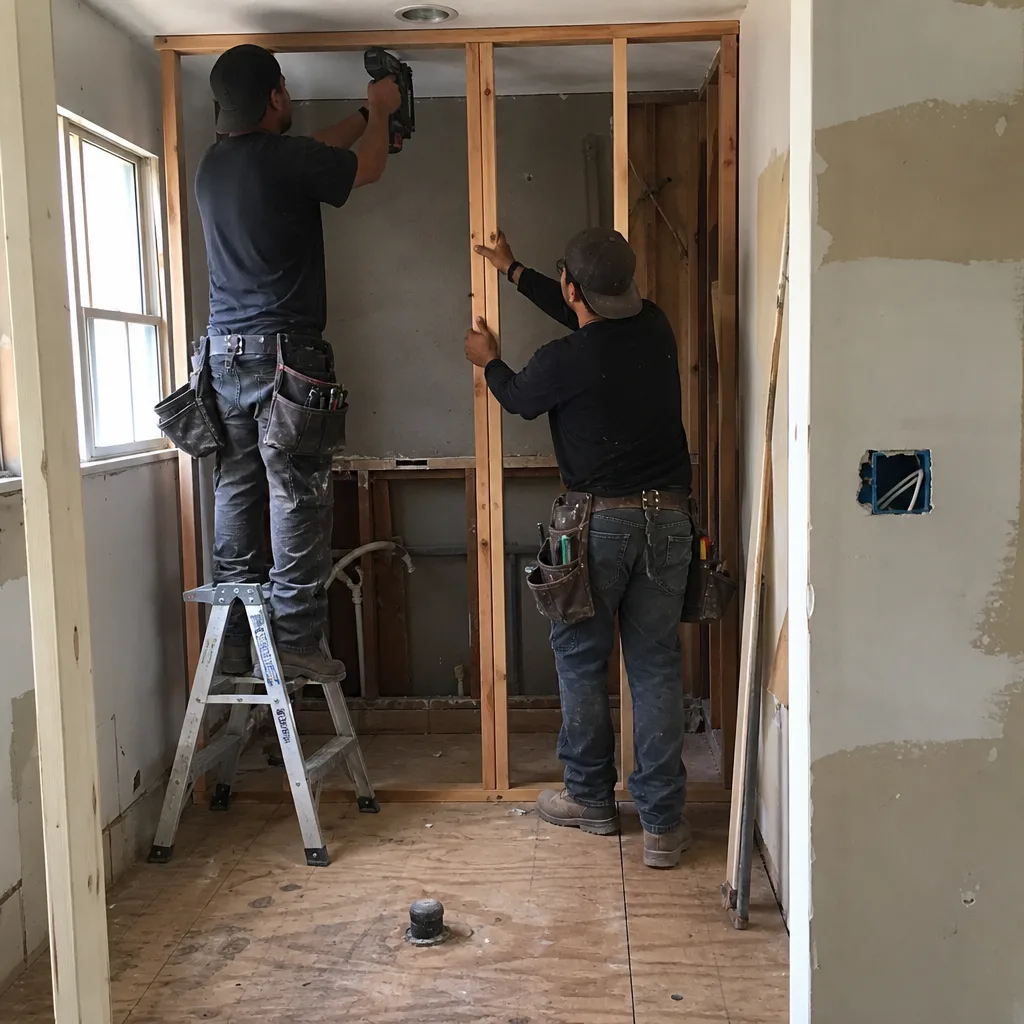
- Checking only the contractor’s website for license information. Websites can display expired numbers or no number at all. The cslb.ca.gov database is the only authoritative source.
- Accepting a bid without material specifications. “Granite countertops” is not a specification. “Cambria Brittanicca, 3cm thickness, eased edge, undermount sink cutout” is. Without this level of detail, you cannot verify what arrives.
- Paying more than the legal down payment limit. California caps down payments at $1,000 or 10%, whichever is less. A contractor who demands 25% upfront is either ignorant of the law or testing your ignorance.
- Failing to verify workers’ compensation for crews on site. If a worker is injured on your property and the contractor lacks coverage, your homeowner’s insurance may be primary. Verify the certificate.
- Starting work before permits are issued. In Los Angeles, this is particularly risky because LADBS can issue a stop-work order that halts progress for weeks, with the homeowner paying crew standby time.
- Neglecting the change-order clause in the rush to start. The contract signing feels like the finish line of a long selection process. It is actually the starting point for cost control. Read the change-order clause carefully.
- Hiring based on the lowest bid without scope verification. The lowest bid often reflects the least complete scope, not the best value. Line-item comparison reveals what is actually being purchased.
When to Call a Professional
Some projects in Los Angeles are straightforward enough for a skilled homeowner with time and tools: painting a bedroom, installing a prefab shed under 120 square feet, replacing a faucet. Most are not. Structural work, electrical panel upgrades, gas line modification, and roof work on slopes over 4:12 pitch involve genuine hazards and code complexity that justify professional engagement.
Call a licensed contractor when your project requires permits, affects structural elements, or involves trades that carry injury risk. The documentation you receive - written scope, photo record, warranty terms - is not an upgrade. It is evidence of what was agreed and what was done.
Rowan Construction Group Los Angeles offers free estimates in Los Angeles. We deliver a written price before any work starts, every time, on every trade from Kitchen Remodeling in Los Angeles through Bathroom Remodeling in Los Angeles, roofing, windows, fencing, pavers, and home additions including ADUs. Call (213) 652-7670 to schedule your free estimate, or bring a competitor’s written quote for our Free Second Opinion review.
Frequently Asked Questions
For a full-room remodel, general contractor fees in Los Angeles typically range from 15% to 25% of total project costs, with the all-in project running $75,000-$150,000 for a mid-range kitchen and $25,000-$60,000 for a bathroom. For larger projects like home additions or ADUs, total costs often fall between $350 and $550 per square foot depending on foundation requirements, hillside conditions, and finish level. Call (213) 652-7670 for an exact quote on your specific project - estimates are free.
The $15,000 bond is a surety requirement for all California Class B general contractors; it provides a recovery path if the contractor abandons the job, fails to pay subcontractors who then file liens, or violates license law in a way that causes financial harm. It does not guarantee project completion or quality of work. For protection against defective work, you need a written warranty from the contractor and proof of general liability insurance.
Standard plan check for a residential remodel takes 8-12 weeks in Los Angeles. LADBS offers an Express Plan Check program with faster turnaround for an additional fee, typically reducing review to 2-4 weeks. Projects in hillside areas or involving structural engineering may take longer due to additional geotechnical review. Your contractor should state the permit timeline in the contract, with a contingency for revisions.
No. Starting work before permit issuance violates LADBS regulations and can result in a stop-work order, fines, and mandatory removal of completed work that cannot be inspected. A contractor who proposes this is transferring regulatory risk to you. The contract should specify that permits are approved before any demolition or construction begins.
Decline. California law limits residential construction down payments to $1,000 or 10% of the total contract price, whichever is less. A contractor who demands more is either unfamiliar with basic compliance or deliberately testing whether you will enforce your rights. Either is disqualifying. Call (213) 652-7670 if you would like a second opinion on any contract terms before signing.
Create your own comparison spreadsheet with the line items from Step 3 as rows and each contractor as a column. Fill in every contractor’s price for every item, and note blanks or “included” entries that lack specificity. Bids that cannot be mapped to this structure are not ready for comparison. Ask each contractor to revise their bid to match your format, or disqualify the non-compliant ones. A contractor who cannot itemize their own proposal lacks the organizational discipline to manage your project.
The Bottom Line
Hiring a construction contractor in Los Angeles is a process of document verification before it is a process of selection. The CSLB database, the line-item bid, the compliant contract, and the signed change-order clause are your protections against the 20,000 complaints the board fields annually. No referral, portfolio, or personality assessment substitutes for these records. The contractors who welcome this scrutiny are the ones with nothing to hide. Those who resist it - who offer verbal estimates, who omit license numbers, who suggest starting without permits - are telling you exactly what kind of project you will get.
Rowan Construction Group Los Angeles has operated under these principles since 2007. Every project receives a written price before work starts, a documented photo record on every visit, and the 365-Day Done Right Promise backed by The Haven Standard. We do not expect trust. We expect verification.
Call (213) 652-7670 to schedule your free estimate, or bring any written competitor’s quote for a Free Second Opinion line-item review.
Written by Grant Rowan, Owner at Rowan Construction Group Los Angeles, serving Los Angeles since 2007.