
Last updated September 22, 2026
Free written scope consultation - allowances, timeline, and change-order rules on paper before a single trade is scheduled




 Before
 After
After Before
 After
After Before
 After
AfterConstruction Warning Signs: A Los Angeles Homeowner’s Reference Guide
The California Contractors State License Board’s top consumer complaint category is not shoddy workmanship - it’s abandonment, meaning the contractor took money and stopped showing up. In every documented abandonment case, at least one of five specific pre-contract warning signs was present and readable before the job started. Los Angeles homeowners, who face some of the highest construction costs and most complex zoning overlays in the country, are especially vulnerable because the stakes of a failed project run higher here than almost anywhere else. This guide - alongside our How to Hire a Construction Contractor in Los Angeles: A Step-by-Step Guide - catalogs the specific red flags that recur in Los Angeles residential construction disputes, organized by the stage of the project where they appear, so you can read a contractor’s documents the way we do before we ever sign a subcontractor agreement.
Quick Answer
The most dangerous construction warning signs in Los Angeles are documentary, not dramatic: itemized bids missing material specs, contracts without signed change-order clauses, payment schedules exceeding California’s 10% or $1,000 down cap, and contractors who discourage permit pulls. These paperwork gaps predict abandonment, cost overruns, and unenforceable warranties before any work begins. A ten-minute license check and a careful reading of the payment schedule will eliminate most bad actors.
Table of Contents
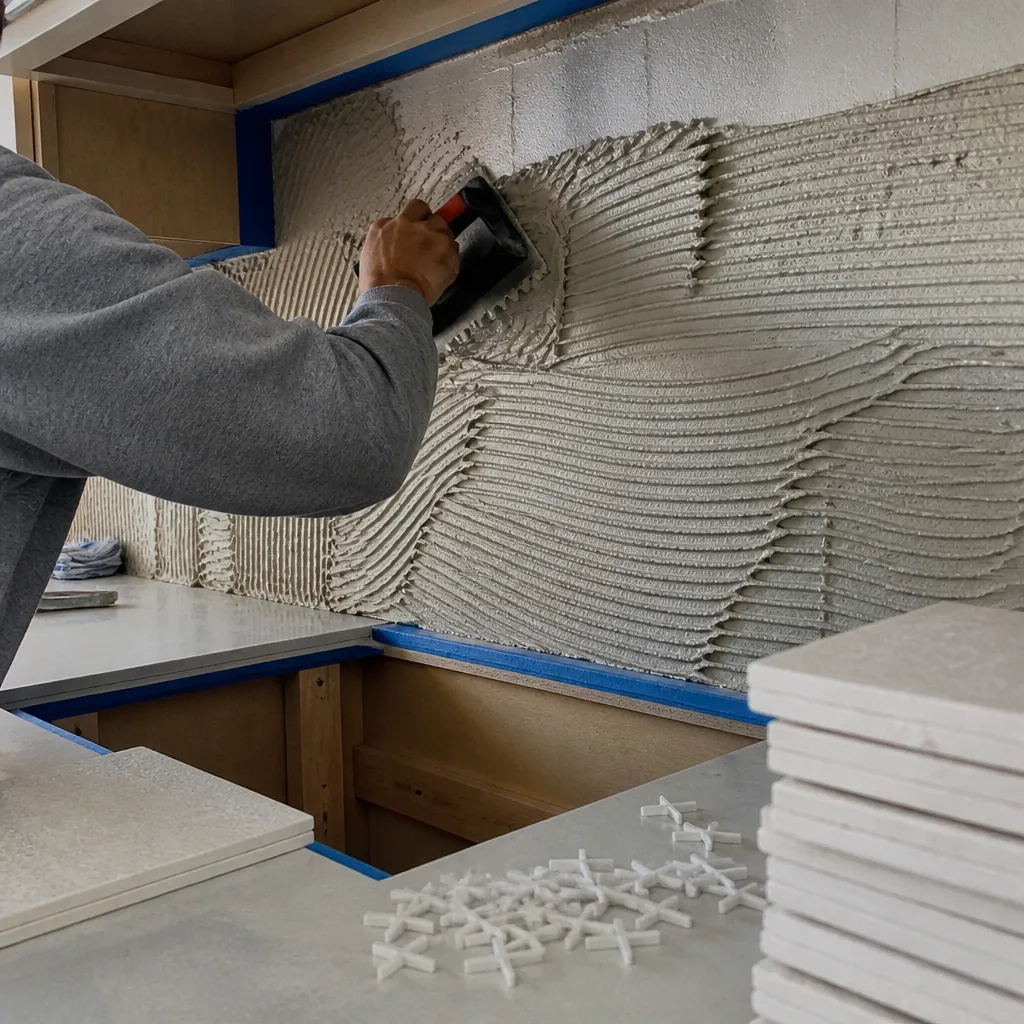
- Pre-Bid Red Flags: What a Los Angeles Bid Should Include
- Contract Red Flags: Clauses That Protect You vs. Clauses That Expose You
- License and Insurance Red Flags: Verifying What You’re Told
- On-Site Warning Signs During Construction
- Financial Warning Signs Mid-Project
- Common Mistakes to Avoid
- When to Call a Professional
- Frequently Asked Questions
 Before
 After
AfterPre-Bid Red Flags: What a Los Angeles Bid Should Include
A bid is a document, not a conversation. In our experience across 4,000-plus projects, the bids that cause problems later are the ones that leave room for interpretation now. Here’s what to look for before you sign anything.
Missing Itemized Material Specs
A legitimate bid names the manufacturer, the product line, and often the specific SKU for every major material. For Kitchen Remodeling in Los Angeles, that means “KraftMaid Vantage maple shaker, Dove White, soft-close hinges” - not “white cabinets.” For roofing in the San Fernando Valley, where summer UV exposure degrades asphalt shingles faster than coastal zones, it means “GAF Timberline HDZ, Charcoal, with Golden Pledge warranty” - not “30-year shingles.” When a bid uses generic descriptions, the contractor retains the right to substitute cheaper materials, and you have no enforceable standard if the result disappoints.
We specify fifty-plus vetted brands across our trades - IKO and Atlas for roofing, Cambria and Caesarstone for countertops, Belgard and Techo-Bloc for pavers - because a written quote with named products gives the customer a number they can screenshot and compare against other bids apples-to-apples. A bid without brand names is a bid without accountability.
Unexplained “Allowances”
Allowances are common in Los Angeles construction, especially on custom homes and hillside builds where final selections depend on geotechnical findings or design development. The red flag isn’t the allowance itself - it’s the allowance without a clear explanation of what happens when it runs short.
Ask these questions in writing:
- What specific items does this allowance cover, and what does it exclude?
- What happens if my selections exceed the allowance - do I pay the difference, or does the scope shrink?
- Is the allowance based on retail pricing, contractor pricing, or a markup I haven’t seen?
- What documentation will I receive showing how the allowance was spent?
In Los Angeles, where tile and stone allowances often run 40-60% short of actual selections because the allowance was calculated on builder-grade materials, this single clause can add $15,000-$40,000 to a bathroom or kitchen remodel - one reason we recommend our Kitchen Remodeling Maintenance Checklist for Los Angeles Homeowners as a planning resource. Under Clause 1 of the Haven Standard, our price is written before anyone starts, and allowances are documented with a written range and a clear overage protocol - never a blank check.
Discouragement of Permit Pulls
Any contractor who suggests skipping permits in Los Angeles is exposing you to catastrophic liability. Unpermitted work must be disclosed on sale, can trigger retroactive permitting costs that exceed the original job, and voids your homeowner’s insurance if damage occurs. The contractor knows this. The reason they suggest skipping permits is usually that their license is inactive, they’re operating under someone else’s license (a felony in California), or they don’t carry the insurance and bond required for permitted work.
Los Angeles Department of Building and Safety permits also trigger mandatory inspections that protect you from concealed defects. A kitchen remodel without electrical and plumbing inspections can hide dangerous work behind finished walls. A room addition without structural inspection can fail in the next significant earthquake. The permit is not bureaucracy - it’s documentation that a disinterested third party verified the work.
Contract Red Flags: Clauses That Protect You vs. Clauses That Expose You
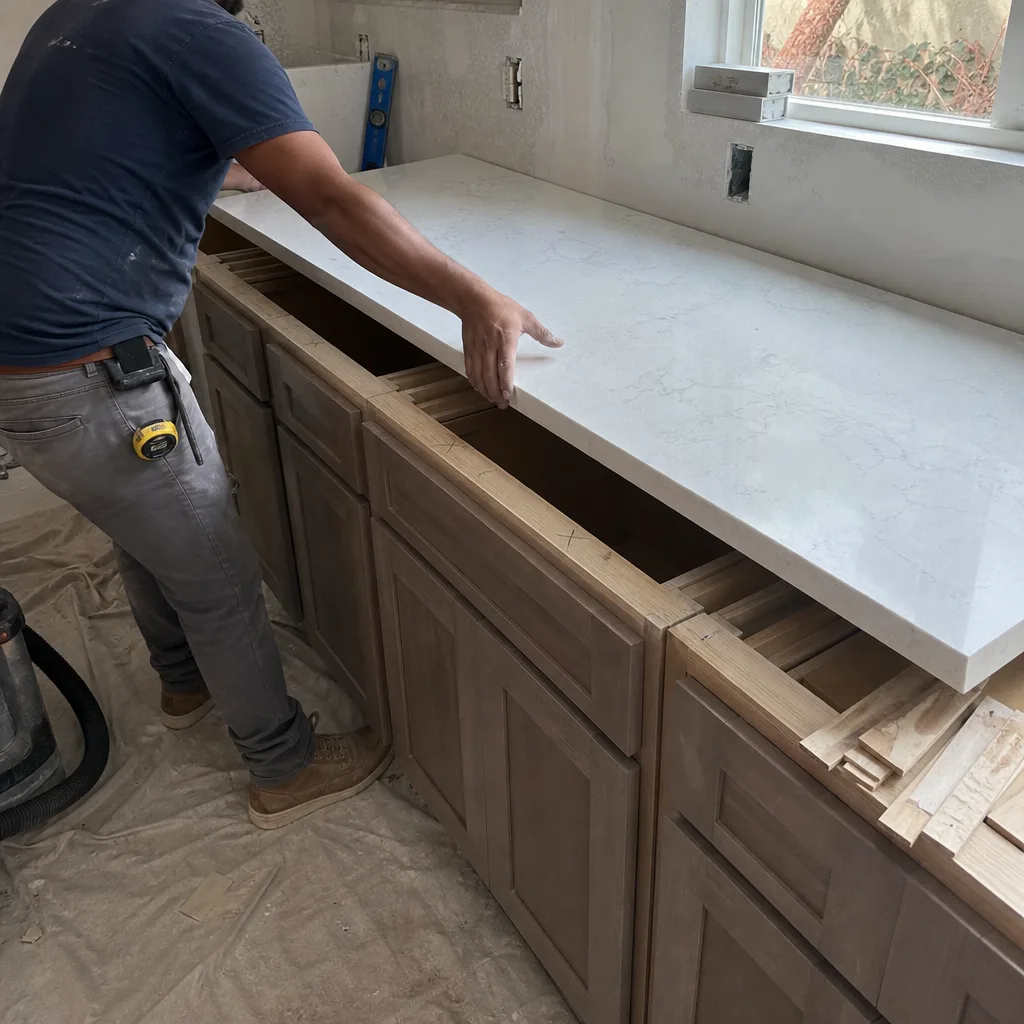
The contract is where most Los Angeles homeowners discover, too late, that their “fixed price” wasn’t fixed and their “warranty” wasn’t written. Here’s what to scan for.
Missing Change-Order Clauses
Every construction project changes. Soil conditions differ from the geotechnical report. Termite damage appears when walls open. The homeowner selects a more expensive fixture. What matters is the administrative discipline around those changes.
A proper change-order clause requires:
- Written description of the change, with before-and-after scope
- Fixed price for the change, not an estimate
- Signature of both parties before work proceeds
- Impact on project timeline, in writing
- Updated total contract price
No work proceeds on a change until the change order is signed - this is the discipline Haven acquired Rowan for, and the reason our projects finish within a few percent of the number the customer agreed to. A contract without this clause, or with language like “contractor may proceed with necessary changes without prior approval,” is a license to inflate the final price without recourse.
Front-Loaded Payment Schedules
California law caps the down payment on home improvement contracts at the lesser of 10% or $1,000. A contractor who demands 25%, 33%, or 50% upfront is either undercapitalized (meaning they’re using your money to finish someone else’s job) or planning to disappear. The legal cap exists because abandonment correlates directly with the size of the deposit.
A reasonable Los Angeles payment schedule looks like this:
- 10% or $1,000 at contract signing - the legal maximum
- Progress payments tied to verifiable milestones: foundation complete, framing inspection passed, rough inspections passed, final upon completion
- Final payment only after final inspection, lien waiver receipt, and punch list resolution
Never pay the final draw before you hold the final lien waiver from every subcontractor and supplier. In California, unpaid subcontractors can file a mechanics lien against your property even if you paid the general contractor in full. The waiver is your only protection.
Vague Completion Milestones
“Substantial completion” and “final completion” are terms of art in California construction law, with specific meanings that affect your payment obligations and warranty start date. A contract that says “work to be completed in a professional manner” without defining measurable milestones leaves every dispute to interpretation.
Specific milestones for a Bathroom Remodeling in Los Angeles project might read: “Demolition complete and debris removed; rough plumbing and electrical inspected and approved by LADBS; waterproofing flood-tested 24 hours and inspected; tile installation complete with grout cure; fixtures installed and pressure-tested; final inspection passed; punch list items resolved.” Each milestone triggers a progress payment and a photo record - which we provide as standard, not as an upgrade.
License and Insurance Red Flags: Verifying What You’re Told
A contractor who says “I’m licensed and insured” has told you nothing verifiable. Here’s how to check, and what the check reveals.
The CSLB License Check: What It Actually Shows
The Contractors State License Board website (cslb.ca.gov) offers a free license lookup that displays:
- License status: Active, Inactive, Suspended, or Revoked
- License classification: B-General Building, C-36 Plumbing, C-10 Electrical, etc.
- Bond history: whether the required $25,000 bond is current
- Workers’ compensation insurance: required if the contractor has employees
- Disciplinary actions: suspensions, revocations, and citations with dates
- Arbitration and civil judgment history
A verbal claim of licensure tells you only that the contractor wants you to believe they’re licensed. The CSLB check tells you whether they are, whether their bond is current, and whether they’ve been disciplined. The legal exposure difference is stark: if an unlicensed contractor damages your property or injures a worker, your homeowner’s insurance may deny the claim, and you have no recourse through the CSLB’s consumer recovery fund.
In Los Angeles, where many contractors operate with inactive licenses or expired bonds, this five-minute check eliminates a significant portion of bad actors. We publish our license number on every page because a customer who verifies it is a customer who understands documentation.
Insurance Verification Beyond the Certificate
Ask for a certificate of insurance (COI) naming you as additional insured, then call the insurance company to verify it’s current. A COI can be fabricated, and policies lapse. The coverage you need includes:
- General liability: minimum $1 million per occurrence, $2 million aggregate
- Workers’ compensation: required by law if the contractor has employees; if they claim to have no employees, verify they pull no 1099s that would reclassify workers
- Completed operations coverage: extends liability protection after the job finishes
A contractor who resists providing a COI or who provides one from an insurer you’ve never heard of is a contractor with something to hide. In our experience, the legitimate contractors in Los Angeles - the ones who’ve been in business since before the last recession - keep their insurance documentation current and available without request.
The “Someone Else’s License” Scheme
In Los Angeles, it’s common for an unlicensed operator to borrow or rent a license number from a licensed contractor, often paying a fee for the use. This is a felony under California Business and Professions Code Section 7027.1. The CSLB check will show the license holder’s name; if it doesn’t match the person you’re contracting with, ask why. Legitimate arrangements (an employee of a licensed company, for instance) are documentable. Illegitimate ones collapse under simple questioning.
On-Site Warning Signs During Construction
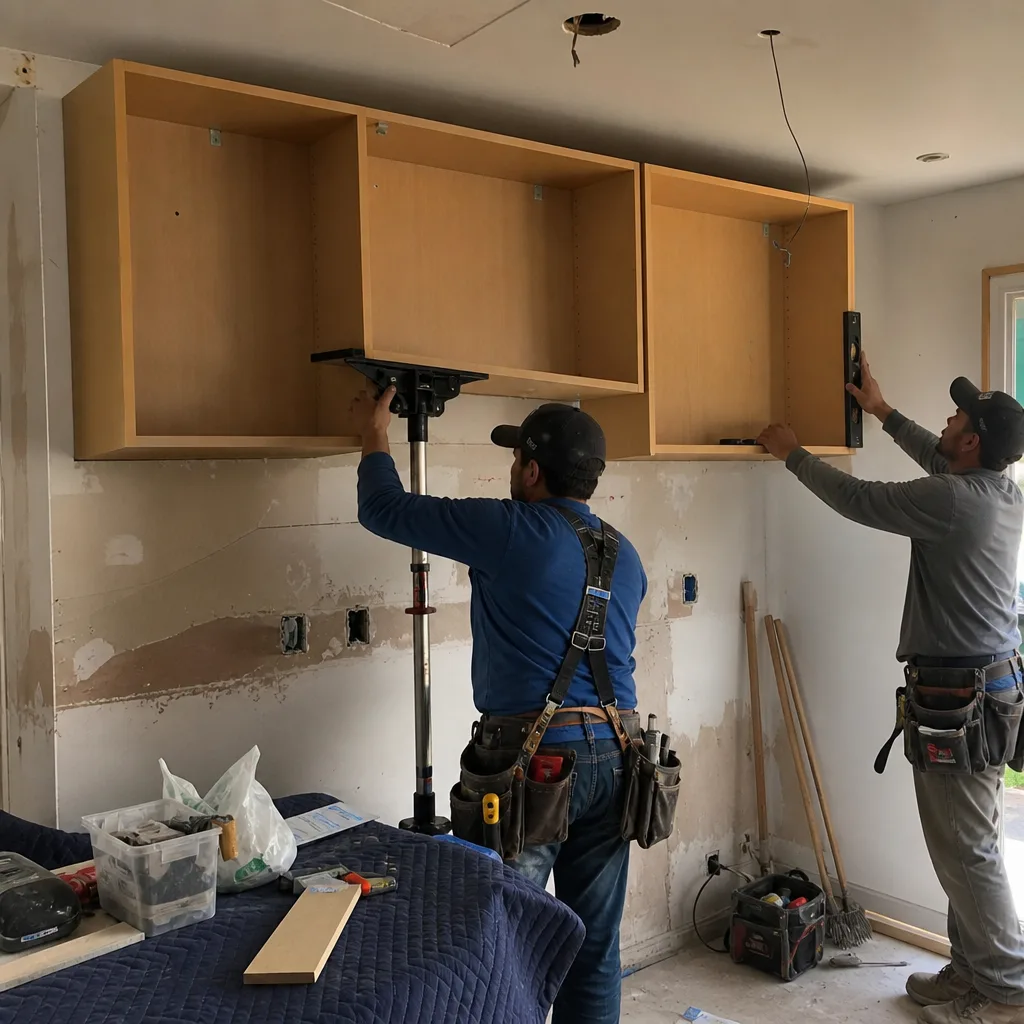
Once work begins, new warning signs appear. These are the ones we watch for when we take over a project abandoned by another contractor - and they’re visible to any attentive homeowner.
Subcontractors Who Don’t Know the General Contractor
On a properly organized job, every subcontractor knows the GC’s name, the project manager’s contact, and the chain of communication. When a plumber arrives and asks “who hired me?” or a roofer can’t name the company that issued their work order, you’re likely dealing with a labor broker, not a contractor. The broker has subcontracted your job to the lowest bidder, often without insurance verification, and has no supervisory capacity to ensure quality or safety.
In Los Angeles, where trade labor is tight and brokers operate in the gray market, this practice is especially common on Roofing in Los Angeles and large remodel projects. The risk to you: uninsured workers on your roof, unpermitted work performed without your knowledge, and no accountable party when defects appear.
Materials Without Manufacturer Packaging
Every major building material arrives in manufacturer packaging with lot numbers, date codes, and warranty registration information. Shingles without IKO, Atlas, Tamko, or Boral packaging may be counterfeit, expired, or salvaged from another job. Tile without box labels can’t be matched if future repairs are needed. Cabinets without KraftMaid or Wellborn markings may be knockoffs with no warranty support.
We photograph every delivery in its original packaging as part of our documented photo record - included standard, not optional - so the customer has evidence of what was installed and when. A contractor who removes packaging before you see it, or who delivers materials already unboxed, is preventing you from verifying what you’re paying for.
Inspections Scheduled Without Owner Notification
In Los Angeles, LADBS inspections require owner or authorized representative presence for certain types, and even when not required, the inspection is your opportunity to verify that concealed work (electrical behind walls, plumbing under slabs) was performed correctly. A contractor who schedules inspections without telling you, or who asks you to sign inspection cards you haven’t witnessed, is concealing something.
The inspection record is also a permanent document attached to your property’s history. Future buyers, insurers, and appraisers can access it. An inspection passed without your knowledge is an inspection you can’t question - and defects discovered later become your problem, not the contractor’s.
Crews Without Uniforms or Identification
Background-checked, uniformed technicians are a basic accountability measure. In Los Angeles, where construction sites are frequent targets for theft and where undocumented labor creates liability exposure for homeowners, a crew without identifying information is a crew without traceability. Ask for names. Ask who employs them. A legitimate contractor knows every person on your property and can document their employment status and insurance coverage.
Financial Warning Signs Mid-Project
The middle of a project is where money and trust are most strained. These warning signs predict the disputes that end in litigation or abandonment.
Missing Lien Waivers With Draw Payments
Every progress payment should be accompanied by conditional lien waivers from the general contractor, and upon final payment, unconditional final waivers from the GC and every subcontractor and supplier. The waiver is a legal document stating that the signer has been paid and releases the right to file a mechanics lien against your property.
A contractor who “will get those to you next week” or who provides only a generic receipt is exposing you to double payment risk. In California, subcontractors can lien your property for unpaid bills even if you paid the GC in full. The only protection is the signed waiver, and “trust me” is not a waiver.
Unpaid Suppliers: The Preliminary Notice System
California’s preliminary notice system allows subcontractors and suppliers to notify you of their right to lien within 20 days of first furnishing labor or materials. If you receive preliminary notices from parties you didn’t know were involved in your project, that’s normal and protective - it means they’re documenting their rights properly.
If you don’t receive preliminary notices but later discover unpaid suppliers, that’s a warning sign. It suggests the contractor is suppressing notices to prevent you from verifying payment, or that suppliers don’t trust the contractor enough to extend credit. In either case, check the status of payments before releasing the next draw.
You can verify whether a contractor has outstanding supplier issues by asking for paid invoices with each draw, or by contacting the suppliers named in your material specs directly. A contractor with a documented record - our standard deliverable - makes this easy. A contractor without documentation resists it.
Requests for Off-Schedule Payments
Any request for payment outside the contract schedule - “I need to pay my crew early,” “the supplier changed their terms,” “permit fees were higher than expected” - is a financial distress signal. The contract exists precisely to prevent these emergencies from becoming your problem. A contractor who can’t manage cash flow according to the agreed schedule is a contractor who may not complete the job.
Under the Haven Standard, our payment schedule is fixed to milestones, and any deviation requires a signed change order with documented cause. No exceptions. The discipline protects both parties from the ambiguity that breeds dispute.
Common Mistakes to Avoid
- Accepting a “verbal estimate” as a binding price. In Los Angeles, where material costs fluctuate and labor is tight, a verbal number is a starting point, not a commitment. A written price with itemized scope is the only enforceable standard - and it’s what we deliver before any work starts, every time.
- Paying the final draw before holding all lien waivers. This is the most expensive mistake homeowners make. Once you’ve paid in full, your leverage disappears. Hold 10% retainage until every waiver is in hand, the punch list is complete, and final inspection is passed.
- Skipping the CSLB check because the contractor “came recommended.” Recommendations are valuable, but they’re not current data. A contractor who was excellent in 2019 may have had their license suspended in 2023. Verify independently, every time.
- Signing a contract with blank spaces or “see attached” references that aren’t attached. Every blank in a contract is a term you haven’t agreed to. Every unattached exhibit is a scope you haven’t approved. Complete all fields and attach all exhibits before signing, or don’t sign.
- Assuming permit costs are included without explicit confirmation. Los Angeles permit fees vary dramatically by zone, project type, and valuation. A bid that says “permits extra” without a range, or that assumes permit costs without LADBS confirmation, is a bid with a hole in it. Ask for the permit fee estimate in writing.
- Neglecting to document conditions before work starts. Photograph everything: existing cracks, adjacent landscaping, neighbor’s fence line, interior finishes near the work zone. Disputes over “that was already damaged” are common and expensive. Our documented photo record begins with pre-existing conditions, so there’s no question what the crew found when they arrived.
- Hiring based on lowest price alone. In Los Angeles construction, the low bid often excludes necessary scope, uses unspecified materials, or assumes conditions that won’t materialize. The meaningful comparison is total project cost with identical scope and specifications - which requires itemized bids from each contractor.
When to Call a Professional
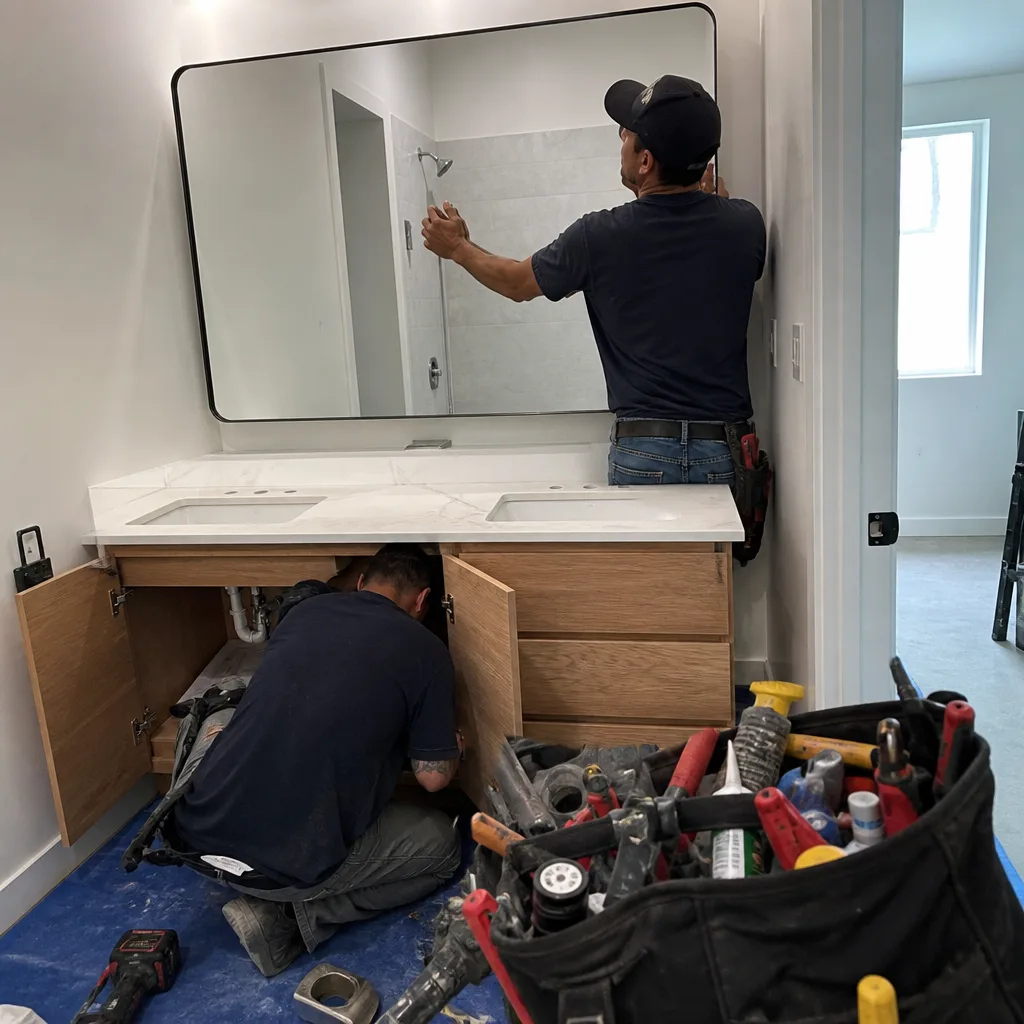
Call a construction professional when warning signs appear in documents you don’t fully understand, when a contractor’s claims don’t match CSLB records, or when you’re considering a project without itemized bids to compare. The cost of a second opinion is trivial against the cost of a failed project. Rowan Construction Group Los Angeles offers free estimates and a Free Second Opinion on any written estimate - we’ll review a competitor’s quote line by line at no charge, because an informed customer is a customer who understands the value of documentation. In Los Angeles, where construction costs run high and the regulatory environment is complex, professional review before you sign is not overcaution - it’s due diligence. Call (213) 652-7670 to schedule your free estimate or second opinion review.
Frequently Asked Questions
The licensed contractor typically quotes 15-30% more upfront because they carry workers’ compensation, general liability, and the required $25,000 bond - a tradeoff explored in our DIY vs Professional Construction: The Los Angeles Homeowner’s Decision Guide. The unlicensed contractor’s true cost includes your exposure to injury liability, property damage without recourse, unenforceable warranties, and potential double payment to suppliers who lien your property. Call (213) 652-7670 for a written quote with named materials and full documentation - estimates are free.
Decline, and consider reporting the request to the CSLB. California law caps home improvement deposits at 10% or $1,000, whichever is less. A contractor who violates this law before work begins is signaling financial distress or intent to operate outside legal boundaries. Under Clause 1 of the Haven Standard, our payment schedule complies with this cap and ties all subsequent payments to verifiable milestones.
Visit cslb.ca.gov and enter the license number. Verify the status reads “Active,” the classification matches the work proposed, the bond is current, and no disciplinary actions appear. Cross-check the license holder’s name against the person you’re contracting with. The five-minute check eliminates most fraudulent operators in Los Angeles. For more guides & resources on protecting your project, see our blog.
No, not for work that triggers LADBS requirements. Electrical, plumbing, structural, and most alterations require permits. Unpermitted work must be disclosed on sale, voids insurance coverage for related damage, and can trigger mandatory retrofit costs that exceed the original job price. Any contractor who suggests skipping permits is exposing you to liability they won’t share.
A preliminary notice is a standard California document that preserves a subcontractor’s or supplier’s right to file a mechanics lien. Receiving one is normal and protective - it means the party is documenting their rights properly. Not receiving expected notices, or discovering unpaid suppliers after payment, is the warning sign that warrants investigation.
No work proceeds on a change until the change order is signed - this is the administrative discipline Haven acquired Rowan for. Every change order includes a written description, fixed price, timeline impact, updated total contract price, and signatures from both parties. This discipline has kept our projects within a few percent of the agreed cost across 4,000-plus jobs since 2007.
The Bottom Line
Construction warning signs in Los Angeles are readable before any work begins, if you know what to look for in the documents. The bids that omit material specs, the contracts that skip change-order clauses, the payment schedules that exceed California’s legal cap, and the contractors who discourage permits - these are the predictors of abandonment, the CSLB’s top complaint category. A ten-minute license verification, a careful reading of the payment schedule, and a requirement for written documentation at every stage will protect you more than any enthusiasm or promise. Documentation is the discipline that separates professional construction from professional risk. At Rowan Construction Group Los Angeles, we’ve built our practice on this principle since 2007, and we apply it to every project we undertake.
Written by Grant Rowan, Owner at Rowan Construction Group Los Angeles, serving Los Angeles since 2007.