
Last updated September 22, 2026
Free written scope consultation - allowances, timeline, and change-order rules on paper before a single trade is scheduled
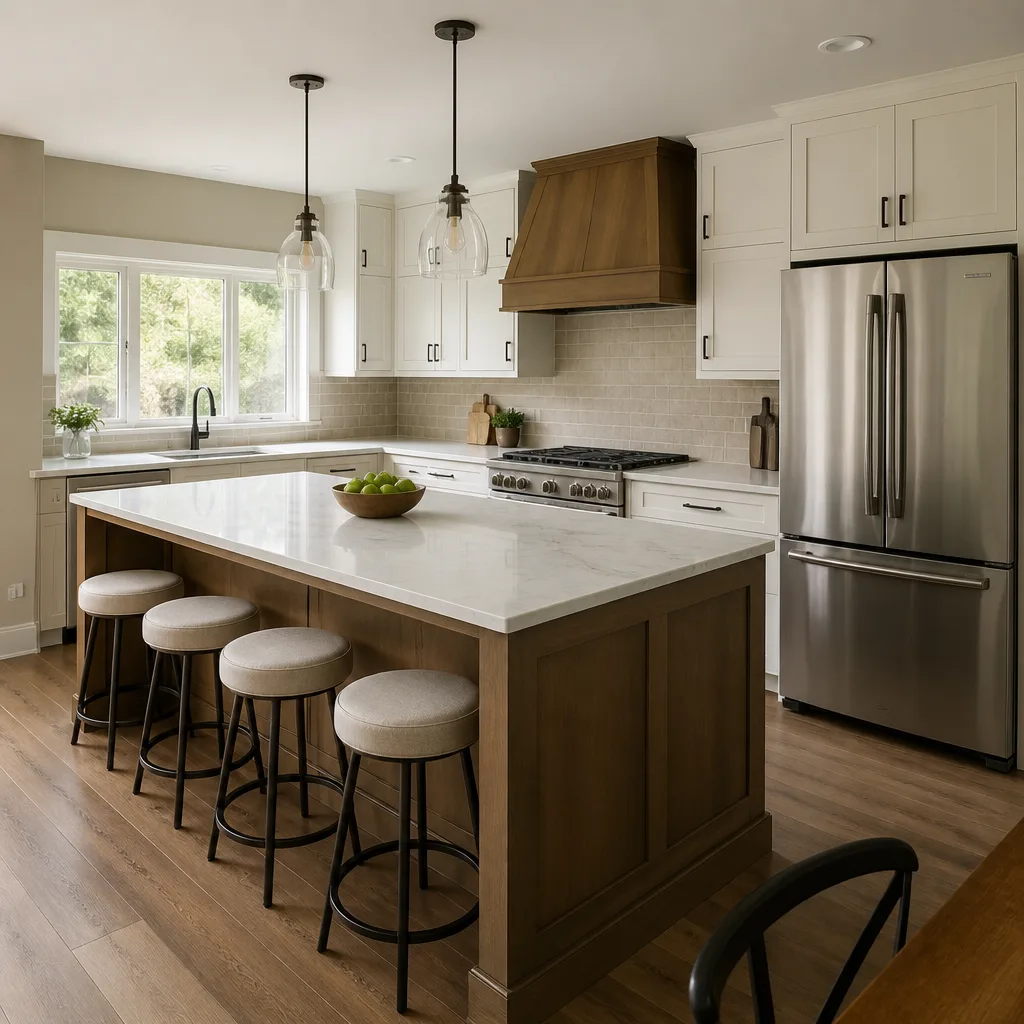
 Before
 After
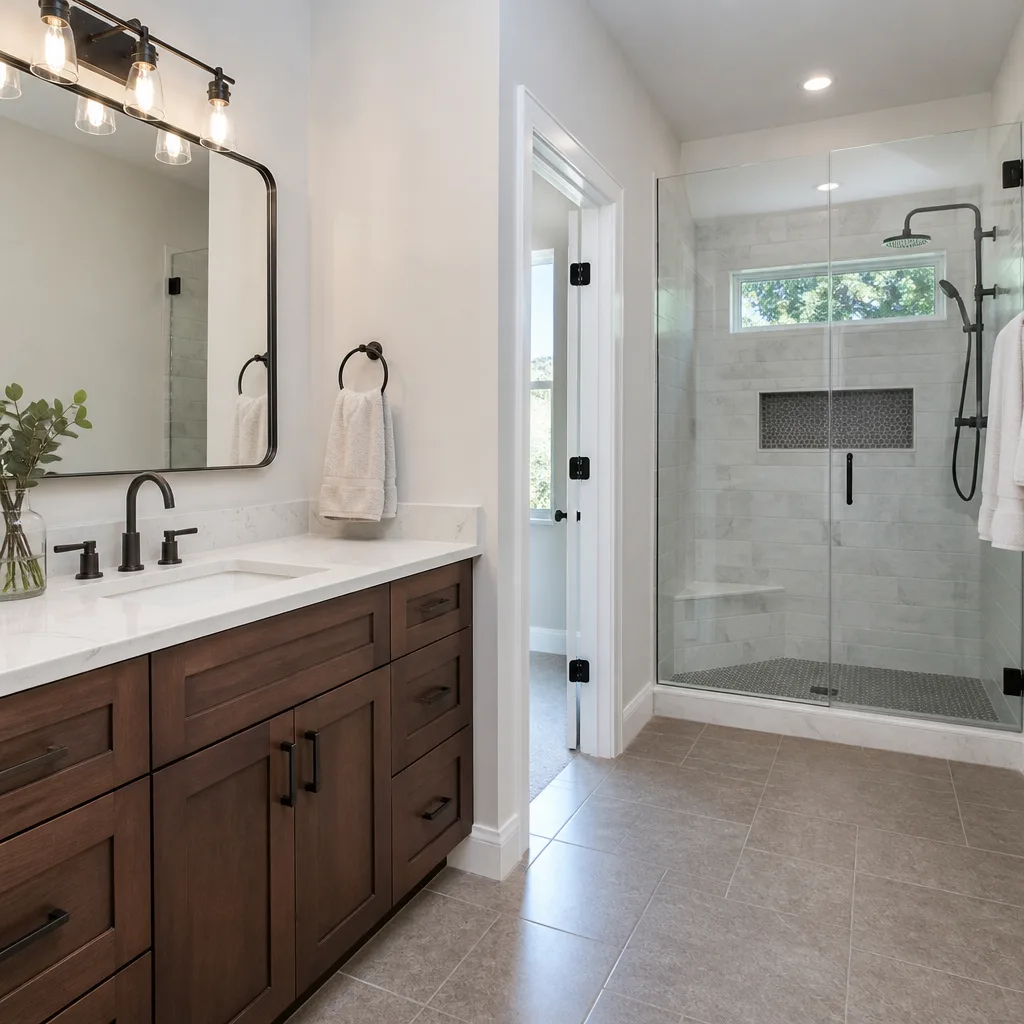
After Before
 After
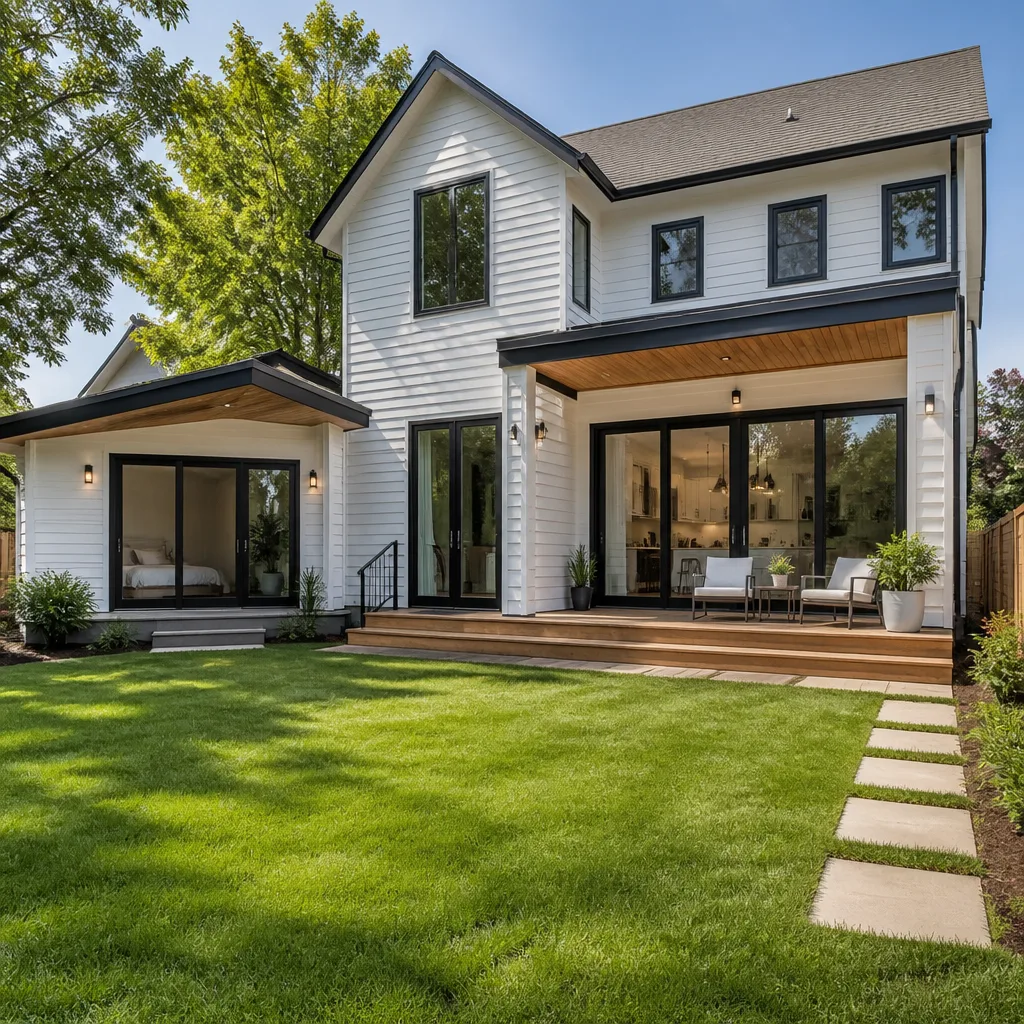
After Before
 After
AfterConstruction Cost Breakdown: The Los Angeles Homeowner’s Reference for 2026
The average cost-per-square-foot figure cited for Los Angeles construction is nearly useless for budgeting because it averages projects with wildly different structural requirements. A flat-lot addition in the Valley and a hillside addition in Silver Lake can differ by $80-$120 per square foot before a single finish material is chosen, for reasons that are entirely traceable to soil, access, and code. In this guide, we’ll put current dollar ranges on each line item for the most common residential project types in Los Angeles, explain which LA-specific adders don’t appear in national benchmarks, and show you how to read a bid well enough to know where your money is going before anyone picks up a tool.
Quick Answer
Construction costs in Los Angeles in 2026 typically run 35-55% above national averages, with kitchen remodels ranging from $45,000 to $145,000, bathroom additions from $55,000 to $175,000, and ADUs from $180,000 to $450,000 depending on structural complexity, hillside conditions, and finish level. The premium is traceable to specific line items: LADBS plan check fees ($2,800-$12,000 by project valuation), Title 24 energy compliance documentation ($1,500-$4,500), hillside access surcharges (15-30% on labor), and licensed trade labor rates that run $85-$165 per hour in the Los Angeles market. Understanding these line items lets you evaluate bids with precision rather than hoping a number sounds right.
Table of Contents
- Why National Averages Fail in Los Angeles
- Line-Item Cost Table: Five Common Project Types
- LA-Specific Cost Adders You Won’t Find in National Guides
- Labor Rate Ranges by Trade in the Los Angeles Market
- How Material Costs Are Correctly Presented in a Bid
- Contingency Budgeting: What Rowan Carries and Why
- Common Mistakes to Avoid
- When to Call a Professional
- Frequently Asked Questions
 Before
 After
AfterWhy National Averages Fail in Los Angeles
National construction cost databases like RSMeans or Craftsman Book Company’s pricing assume flat lots, moderate climates, and straightforward permit paths. Los Angeles violates all three assumptions with regularity.
Soil conditions vary block by block. The expansive clay in parts of the San Fernando Valley requires deeper foundations and more extensive grading than the sandy loam near the coast. Hillside lots in neighborhoods like Echo Park, Mount Washington, and the Hollywood Hills trigger geotechnical reports ($3,500-$8,000), retaining wall engineering, and LADBS hillside ordinances that add plan review time and structural requirements. Access constraints mean a concrete pump truck or crane rental that a flat-lot builder in Phoenix never considers.
Climate drives code. Los Angeles falls in Climate Zone 3 for energy compliance, which shapes insulation R-values, window U-factors, and HVAC sizing calculations. Title 24, Part 6 of the California Code of Regulations mandates prescriptive or performance-based energy calculations for virtually every alteration and addition. The documentation cost is real and non-negotiable, and it does not appear in national remodeling averages.
Then there’s the permit path. For details, see our guide on Construction Permits, Codes & Inspections in CA: What You Need to Know. Los Angeles Department of Building and Safety (LADBS) plan check fees scale with project valuation, and the timeline for review runs 4-12 weeks for residential projects depending on complexity and whether a 1st floor addition or hillside geotechnical condition triggers additional review cycles. Expedited plan check is available for a surcharge but does not eliminate the underlying documentation burden.
We have delivered over 4,000 projects since 2007, every one with a written price before work started. The variance between that written price and the final invoice has stayed within a few percent because we account for these LA-specific conditions in the initial scope rather than discovering them mid-project.
Line-Item Cost Table: Five Common Project Types
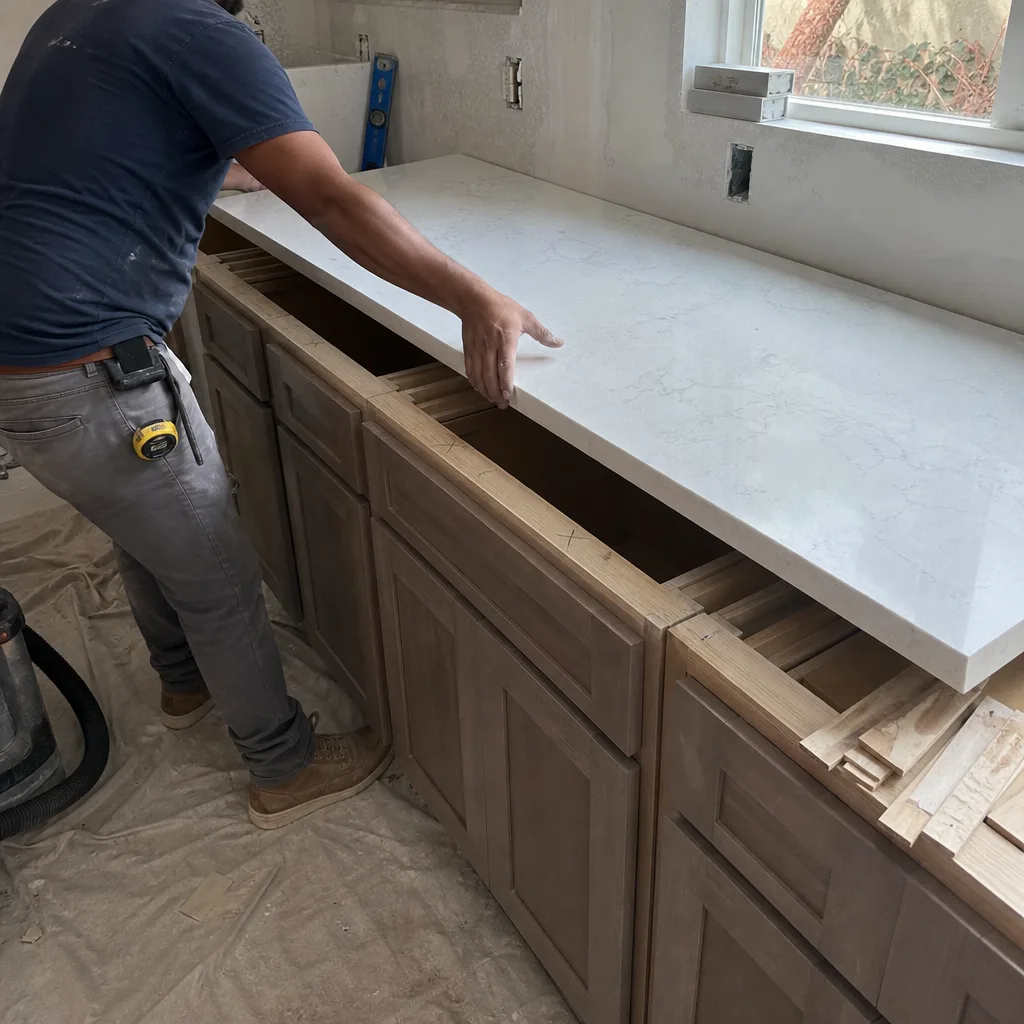
The table below shows 2026 dollar ranges for the most common residential construction projects in Los Angeles. Low, mid, and high tiers are defined by structural complexity, access conditions, and finish specifications - not by contractor markup differences.
| Project Type | Low Range | Mid Range | High Range | What Moves the Tier |
|---|---|---|---|---|
| Kitchen Remodel (200 sq ft) | $45,000-$65,000 | $75,000-$105,000 | $120,000-$145,000 | Layout changes requiring structural; custom vs. semi-custom cabinetry (KraftMaid, Wellborn); slab vs. tile backsplash; appliance relocation |
| Bathroom Addition (new space, 50-80 sq ft) | $55,000-$75,000 | $85,000-$125,000 | $140,000-$175,000 | Foundation type (slab on grade vs. raised); sewer lateral depth and condition; window addition requiring Title 24 calc; wet-area tile scope |
| ADU (detached, 400-800 sq ft) | $180,000-$240,000 | $260,000-$340,000 | $380,000-$450,000 | Flat lot vs. hillside; utility trenching distance; kitchenette spec level; fire separation requirements; parking waiver eligibility |
| Room Addition (ground-up, 300-500 sq ft) | $120,000-$175,000 | $195,000-$280,000 | $310,000-$400,000 | Foundation integration with existing; roof tie-in complexity; HVAC extension vs. separate system; electrical panel capacity |
| Full Gut Renovation (per sq ft) | $225-$295 | $310-$425 | $460-$620 | Structural modifications; MEP replacement scope; historic district HPOZ review; asbestos/lead abatement; finish spec level |
These ranges assume standard Los Angeles conditions: no hillside ordinance triggers, no geotechnical surprises, and permit timelines within LADBS normal processing windows. A project in the Hollywood Hills with limited crane access and expansive soil can exceed the high range by 20-40% on structural and access line items alone.
For homeowners considering a kitchen update, our Kitchen Remodeling in Los Angeles page details how cabinet selection between KraftMaid semi-custom and fully custom millwork affects the allowance structure in a written quote.
LA-Specific Cost Adders You Won’t Find in National Guides
Every Los Angeles construction bid carries line items that national cost databases simply do not include. These are not contractor padding; they are traceable costs that appear on invoices and permits.
LADBS Plan Check and Permit Fees
Los Angeles Department of Building and Safety fees scale with project valuation. For a $150,000 room addition, plan check fees run approximately $4,200-$5,800, building permit fees add $3,500-$4,800, and plumbing/electrical/mechanical permits add $800-$1,400 per trade. Total permit and plan check costs for a mid-range addition: $9,500-$13,500. For a $350,000 ADU on a hillside lot, plan check alone can reach $8,000-$12,000 with the additional structural and geotechnical review cycles.
Title 24 Energy Compliance Documentation
California’s Title 24, Part 6 requires energy calculations for additions and alterations exceeding specific thresholds. The compliance documentation is prepared by a certified energy analyst or the project’s architect, and the cost is $1,500-$4,500 depending on project complexity. A simple kitchen remodel with no window changes may fall below the threshold; a room addition with new HVAC and fenestration always triggers it. This cost does not appear in national remodeling guides because California is one of few states with this level of energy code enforcement.
Hillside Access Surcharges
Projects on slopes exceeding 25% or with limited street access incur labor surcharges of 15-30% on structural and roofing trades. The reasons are concrete: material handling takes longer, scaffolding or boom equipment is required, and crew size increases for safety compliance. In Silver Lake, Mount Washington, and the Hollywood Hills, we regularly see foundation and framing labor run 20% above Valley flat-lot equivalents for the same square footage. For safety requirements and signage protocols in these areas, see our Construction Warning Signs: A Los Angeles Homeowner’s Reference Guide. The surcharge is not arbitrary; it reflects actual crew-hour increases.
Geotechnical and Structural Engineering
Hillside lots and areas with known expansive soil (parts of Encino, Tarzana, and the western Valley) require geotechnical investigation at $3,500-$8,000. The resulting report dictates foundation depth, drainage requirements, and sometimes retaining wall specifications. A project without this documentation cannot secure LADBS approval, so it is not optional.
Seismic Retrofit Integration
Los Angeles’s seismic ordinances, including the 2015 mandatory wood-frame soft-story retrofit program, mean many homes undergoing major renovation also require foundation bolting, cripple wall bracing, or moment frame installation. Costs range from $4,000 for basic bolting to $25,000+ for soft-story retrofits with parking below. If your project involves opening walls or modifying the foundation plane, seismic compliance should be scoped in the initial estimate, not discovered during inspection.
Labor Rate Ranges by Trade in the Los Angeles Market
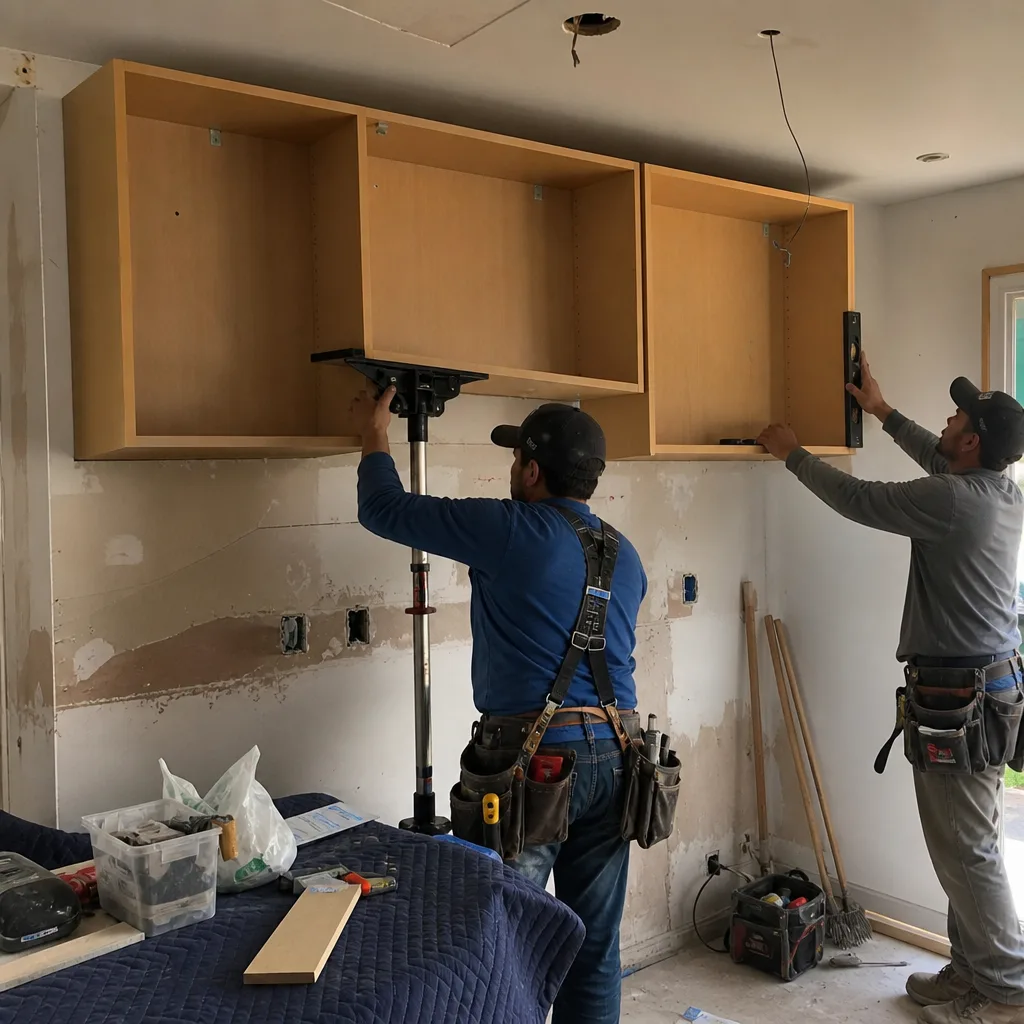
Labor is typically 40-55% of a residential construction project’s hard cost in Los Angeles. Understanding what licensed trade labor costs - and what unlicensed labor risks - is essential for reading a bid.
| Trade | Licensed Rate Range (2026) | Typical Scope | Unlicensed Bid Red Flag |
|---|---|---|---|
| General Framing / Carpentry | $65-$95/hour crew rate | Structural framing, shear walls, rough carpentry | Bids below $50/hour often lack workers’ comp; homeowner liable for site injuries |
| Electrical | $95-$145/hour | Panel upgrades, circuit extension, EV charging rough-in, Title 24 lighting compliance | C-10 license verification required; unlicensed electrical work voids insurance and fails inspection |
| Plumbing | $85-$135/hour | Water heater relocation, sewer lateral replacement, gas line extension, fixture rough-in | C-36 license; unlicensed gas line work is a life-safety hazard and code violation |
| HVAC | $90-$165/hour | Ducted system extension, mini-split installation, Title 24-compliant sizing calculations | C-20 license; improper load calculations lead to failed Title 24 and comfort issues |
| Tile / Stone Installation | $55-$85/sq ft installed (complex layouts) | Wet-area waterproofing, large-format tile, natural stone, mosaic detail | Per-square bids without waterproofing spec; membrane failures cost 3x to remediate |
The licensed vs. unlicensed distinction matters beyond quality. In California, homeowners who hire unlicensed contractors for projects exceeding $500 in combined labor and materials lose access to the Contractors State License Board recovery fund and may bear liability for unpaid subcontractors or worker injuries. A bid that seems to save 30% on labor often transfers 100% of that risk to the homeowner.
At Rowan Construction Group Los Angeles home, every crew member is background-checked and verified before arriving on site. The license number is on every written quote, and we carry the documentation that proves it.
How Material Costs Are Correctly Presented in a Bid
There are two ways to present material costs in a construction bid: specified product and allowance. Understanding the difference protects you from the most common source of mid-project cost escalation.
Specified Product
The bid names the manufacturer, product line, and sometimes the specific SKU. Example: “Cambria quartz countertop, Brittanicca Gold, 45 sq ft installed with eased edge profile, including template and fabrication.” The price is fixed to that specification. If the homeowner changes the selection, a signed change order with revised pricing is required before procurement.
Allowance
The bid sets a dollar amount for a category without naming a specific product. Example: “Cabinetry allowance: $18,000.” The homeowner selects within that budget, and the contractor procures. If the selection exceeds the allowance, the homeowner pays the difference; if under, the allowance typically does not reduce the contract price unless negotiated.
The problem with allowances is not the structure; it is the math when the allowance is set too low to meet realistic specifications. Consider a kitchen remodel with a $15,000 cabinetry allowance. Semi-custom lines like KraftMaid or Wellborn, properly specified with soft-close hardware, plywood box construction, and a painted finish, run $450-$750 per linear foot in Los Angeles with current lead times. A 20-linear-foot kitchen with uppers and lowers needs $12,000-$18,000 before specialty storage or appliance panels. If the allowance was set at $15,000 based on a big-box stock cabinet price, the homeowner faces a $3,000-$6,000 decision mid-project: downgrade the specification or sign a change order.
Under Clause 1 of the Haven Standard, Rowan delivers a written price before any work starts. That means we specify the product line or set allowances at levels that can actually be fulfilled with the brands we have vetted across fifty-plus manufacturers. A written quote with an unrealistic allowance is not a written price; it is a deferred negotiation.
Our Bathroom Remodeling in Los Angeles page shows how we handle fixture and wet-area material specifications for projects where waterproofing and tile selection are integrated from the first quote.
Contingency Budgeting: What Rowan Carries and Why
Every construction project encounters conditions that cannot be fully known until work begins. The question is not whether to carry contingency, but how much, how it is documented, and who controls the spend.
Rowan carries contingency by project type based on the predictability of the existing conditions:
- Kitchen and bathroom remodels in homes built 1970-2000: 8-12% contingency. Common discoveries include asbestos-containing mastic under old flooring, galvanized plumbing at end of life, and electrical panels at capacity.
- Room additions and ADUs on flat lots with clear geotechnical reports: 10-15% contingency. Foundation conditions, utility trenching encounters, and LADBS inspection timing are the primary variables.
- Hillside additions, historic district renovations, and pre-1940 homes: 18-25% contingency. These projects have the highest discovery risk: unpermitted prior work, undocumented utility locations, and materials no longer manufactured.
The discipline that matters is not the percentage; it is the process. Under the Haven Standard, no contingency dollar is spent without a written change order signed by both parties, with a description of the condition found, the remedy, and the cost. The photo record - standard on every visit, not an upgrade - documents the condition that triggered the change. The homeowner sees what we saw.
Since 2007, this discipline has kept Rowan’s projects within a few percent of the contracted price across 4,000-plus jobs. The contingency is not a slush fund; it is a documented reserve for documented conditions, spent only with mutual agreement.
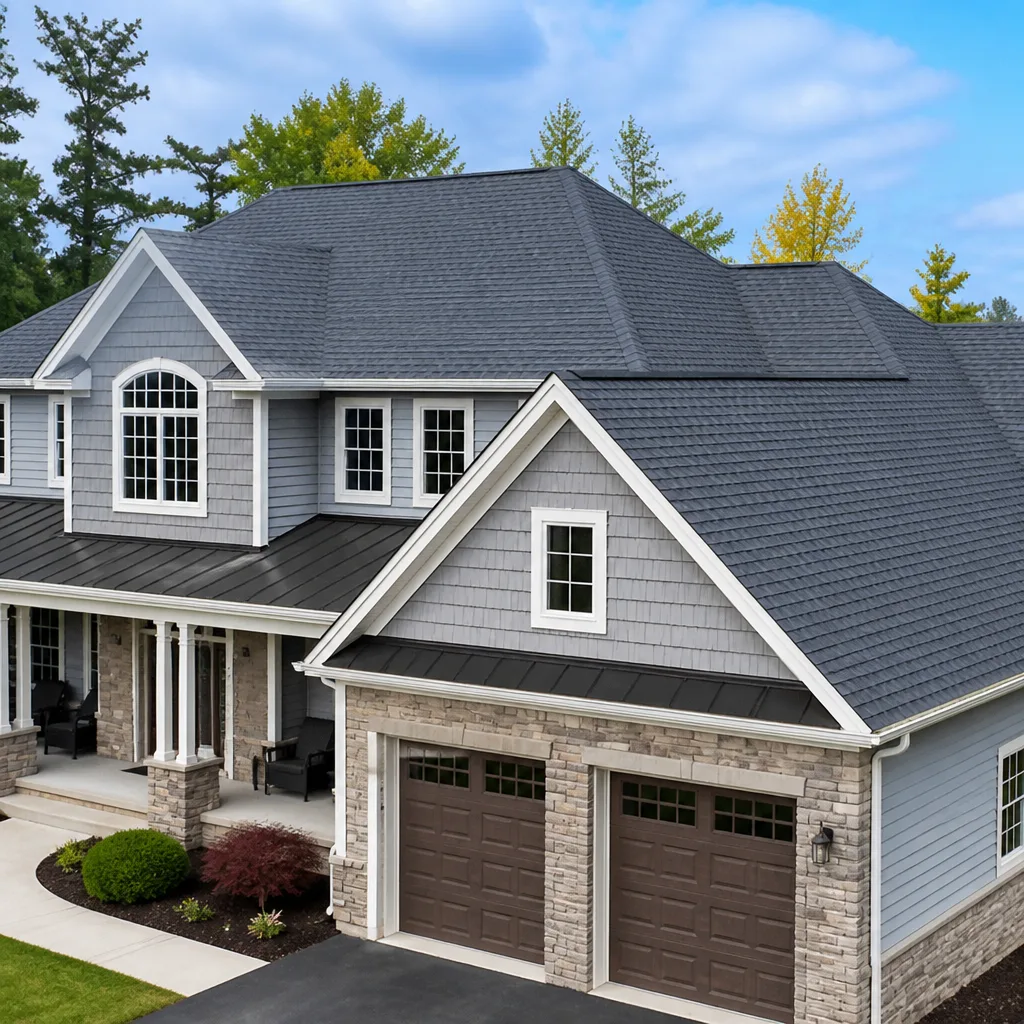
For roofing projects where substrate condition determines the full scope, our Roofing in Los Angeles page explains how we handle tear-off discoveries within the written quote structure.
Common Mistakes to Avoid
- Comparing bids with different scope definitions. One contractor’s “complete bathroom” includes waterproofing membrane and exhaust fan; another’s stops at tile and fixtures. The lower bid is not cheaper; it is shorter. Demand line-item scope documents and compare them line by line.
- Accepting a “call for pricing” quote for planned construction. A kitchen remodel or room addition is a five-figure capital project. Under Clause 1 of the Haven Standard, the price is written before anyone starts. A contractor who cannot commit to a number in writing is not ready to commit to a schedule.
- Ignoring the permit path in the timeline. LADBS plan check for a room addition runs 6-10 weeks in normal conditions. A bid that assumes permit issuance in two weeks is either uninformed or planning to start without permits - a violation that voids insurance and creates resale liability.
- Setting material allowances without visiting a showroom. A $12,000 countertop allowance sounds generous until you see that Cambria and Silestone slabs in the 3cm thickness with the edge detail you want run $85-$145 per square foot installed in Los Angeles. Touch the materials before the allowance is fixed.
- Skipping the license and insurance verification. CSLB license lookup takes 90 seconds. Ask for the certificate of insurance naming you as additional insured. A legitimate contractor provides both without hesitation.
- Treating contingency as optional. A bid with 0% contingency is a bid that will either generate surprise change orders or cut corners when the unexpected arrives. Both outcomes cost more than an honest contingency line item.
- Neglecting the final documentation. The permit final, the lien release from every subcontractor, and the warranty document are your proof of proper completion. A contractor who delivers these without prompting has built the project correctly; one who resists has something to hide.
When to Call a Professional
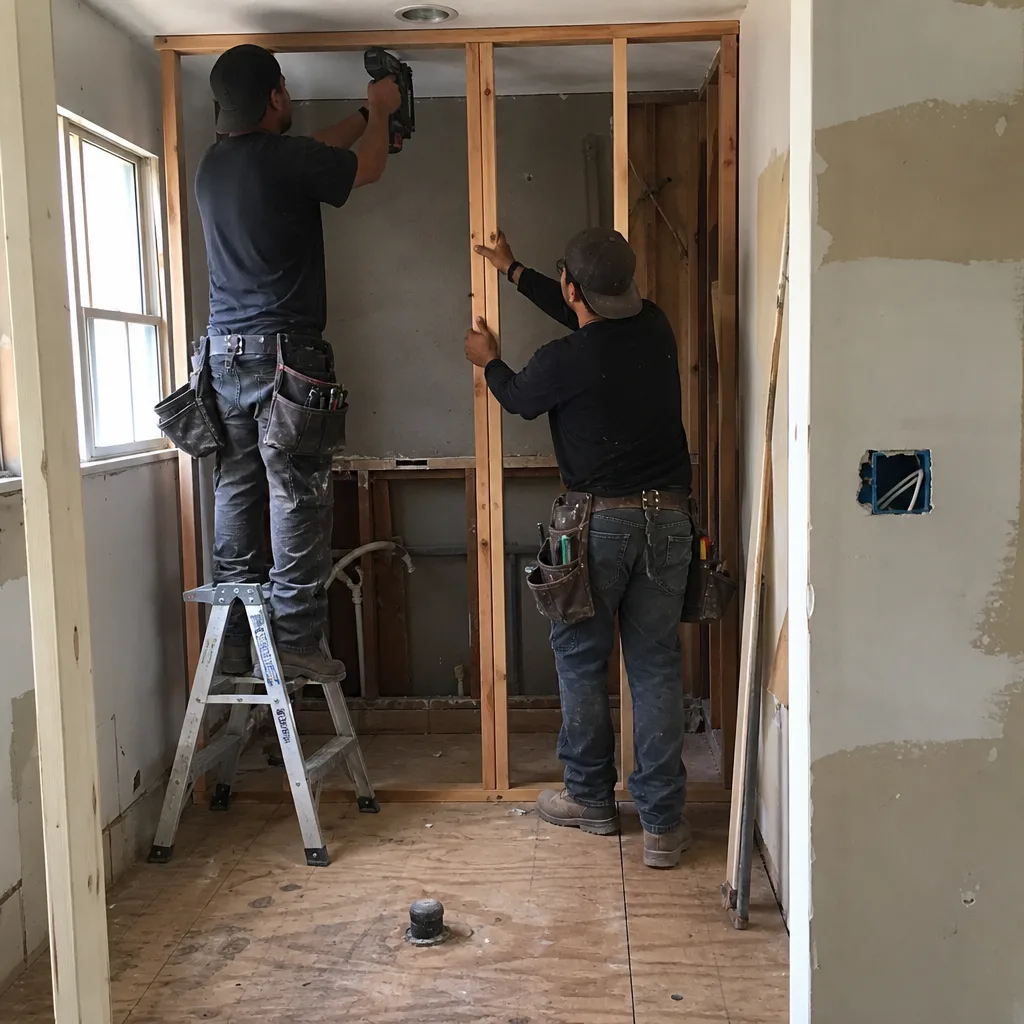
Call a licensed contractor before you sign a purchase agreement that assumes a construction budget you have not verified, before you remove a wall to “see what’s there,” and before you accept a bid that is more than 20% below the next closest competitor without a clear scope explanation. Structural modifications, electrical panel work, gas line extensions, and hillside grading all require licensed trades and permits in Los Angeles; the liability for unpermitted work falls on the property owner at resale and in the event of injury.
Rowan Construction Group Los Angeles offers free estimates in Los Angeles - call (213) 652-7670. We also provide a Free Second Opinion on any written estimate: bring a competitor’s quote and we will review it line by line at no charge, showing you where the scope aligns, where it diverges, and what questions to ask before you sign.
Frequently Asked Questions
A kitchen remodel in Los Angeles ranges from $45,000 for a straightforward refresh with semi-custom cabinetry and standard appliances to $145,000 for a layout-changing renovation with structural modifications, custom millwork, and premium finishes. The mid-range, where most Rowan projects fall, is $75,000-$105,000 for 200 square feet with semi-custom KraftMaid or Wellborn cabinets, quartz countertops from Cambria or Silestone, and updated lighting and appliances. Call (213) 652-7670 for a written quote on your specific space - estimates are free.
At Rowan, no work proceeds on a change until the change order is signed. This is the administrative discipline Haven acquired Rowan for, and the reason our projects finish within a few percent of the agreed price. The only price changes are for documented conditions discovered during work - asbestos under old flooring, a galvanized plumbing line at failure point - and those are presented with photos, a description, and a fixed price before any additional work begins.
Yes. Rowan pulls all required permits and schedules all LADBS inspections as part of the project scope. The permit fees are listed as a line item in the written quote, not buried in overhead. You receive copies of the permit cards, inspection sign-offs, and the final certificate of occupancy or completion.
A 300-500 square foot ground-level room addition in Los Angeles takes 4-6 months from permit issuance to final inspection, with LADBS plan check adding 6-10 weeks before construction starts. Hillside additions, historic district reviews (HPOZ), and projects requiring sewer lateral replacement or electrical service upgrades add 2-8 weeks. The timeline is in the written scope; we do not promise what LADBS processing times cannot deliver.
A specified product names the manufacturer and line - “KraftMaid Vantage semi-custom cabinets, painted white, soft-close hardware” - and the price is fixed to that specification. An allowance sets a dollar amount for a category - “tile: $4,500” - and the homeowner selects within that budget. Allowances are useful for selections made after contract signing, but they must be set at realistic levels. An allowance that assumes big-box pricing for a mid-market product line will generate a change order. Rowan sets allowances based on fifty-plus vetted brands and current Los Angeles pricing.
Request a line-item breakdown and verify these categories are present: LADBS plan check and permit fees; Title 24 energy compliance documentation (if applicable); geotechnical or structural engineering (hillside or soft soil); and seismic retrofit scope (pre-1980 homes or soft-story conditions). A bid missing these line items either assumes they are not needed - which inspection will disprove - or buries them in an inflated general conditions line. Either approach prevents accurate comparison.
The Bottom Line
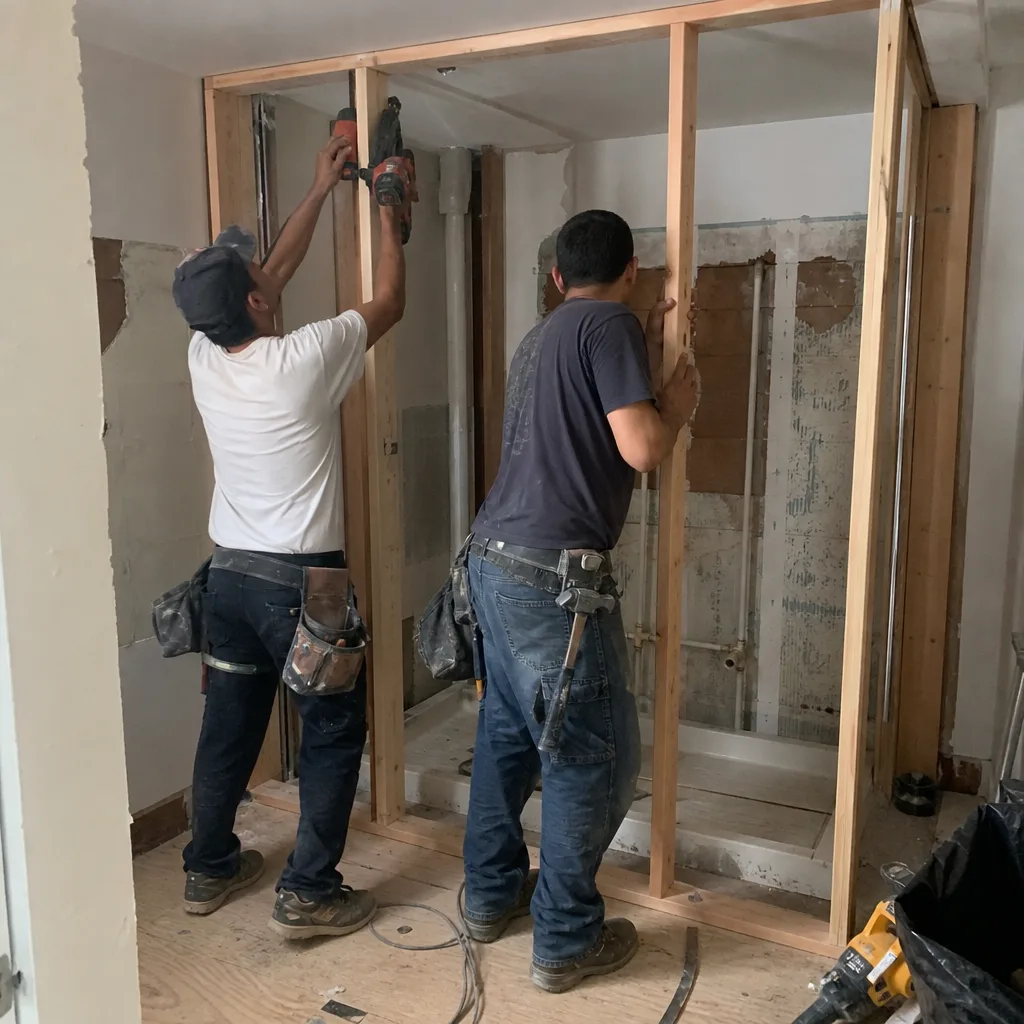
Los Angeles construction costs carry a traceable premium over national averages, and that premium is knowable before you sign a contract. The line items that drive it - LADBS fees, Title 24 documentation, hillside access, licensed trade labor - appear in detailed bids and disappear in vague ones. The homeowner who understands these categories can evaluate proposals with the same precision a contractor uses to build them: measure twice, commit once, and get the number in writing before anyone picks up a tool. Since 2007, Rowan Construction Group has delivered that written price on every project, backed by the 365-Day Done Right Promise and the documented record that proves what was promised and what was done.
Call (213) 652-7670 to schedule your free estimate, or bring any written competitor’s quote for a free second opinion. The price will be in writing before work starts - always, on every trade, because Clause 1 of the Haven Standard is the whole point.
Written by Grant Rowan, Owner at Rowan Construction Group Los Angeles, serving Los Angeles since 2007.