
Last updated September 22, 2026
Free written scope consultation - allowances, timeline, and change-order rules on paper before a single trade is scheduled
 Before
 After
After Before
 After
After Before
 After
AfterSeasonal Construction Care for Los Angeles: Year-Round Homeowner’s Guide
Los Angeles doesn’t have seasons the way Chicago or Boston does, but that quiet climate hides a brutal truth: our weather concentrates its damage into narrow, predictable windows. Most of the city’s annual rain arrives in 60 to 90 storm days between November and March, which means every exterior waterproofing failure - a lifted shingle, a cracked caulk joint, a gutter choked with jacaranda blossoms - gets tested hard and fast. A $300 flashing repair in October becomes a $4,000 framing replacement by February. Meanwhile, fire season bakes wood framing and exterior finishes from June through October, and Santa Ana winds in September through November and again in February stress-test every fastener and seal a contractor ever installed. This guide maps each window to specific maintenance tasks, with cost benchmarks drawn from the 4,000-plus projects Rowan Construction Group Los Angeles has priced since 2007, so you can budget for maintenance instead of financing an emergency.
Quick Answer
Seasonal construction care in Los Angeles means four distinct maintenance windows: pre-fire-season hardening (June-July), Santa Ana wind inspection (September-November, February), pre-rainy-season waterproofing (October), and post-rain damage assessment (March-April). Homeowners who follow this cycle typically spend $800-$2,200 annually on preventive maintenance across roofing, exterior seals, and vegetation management, versus $4,000-$15,000 for reactive repairs after damage concentrates in a single storm or fire event.
Table of Contents
- Pre-Fire-Season Hardening: June-July
- Santa Ana Wind Season: September-November, February
- Pre-Rainy-Season Waterproofing: October
- Post-Rain Damage Assessment: March-April
- Building Your 12-Month Maintenance Budget
- Common Mistakes to Avoid
- When to Call a Professional
- Frequently Asked Questions
 Before
 After
AfterPre-Fire-Season Hardening: June-July
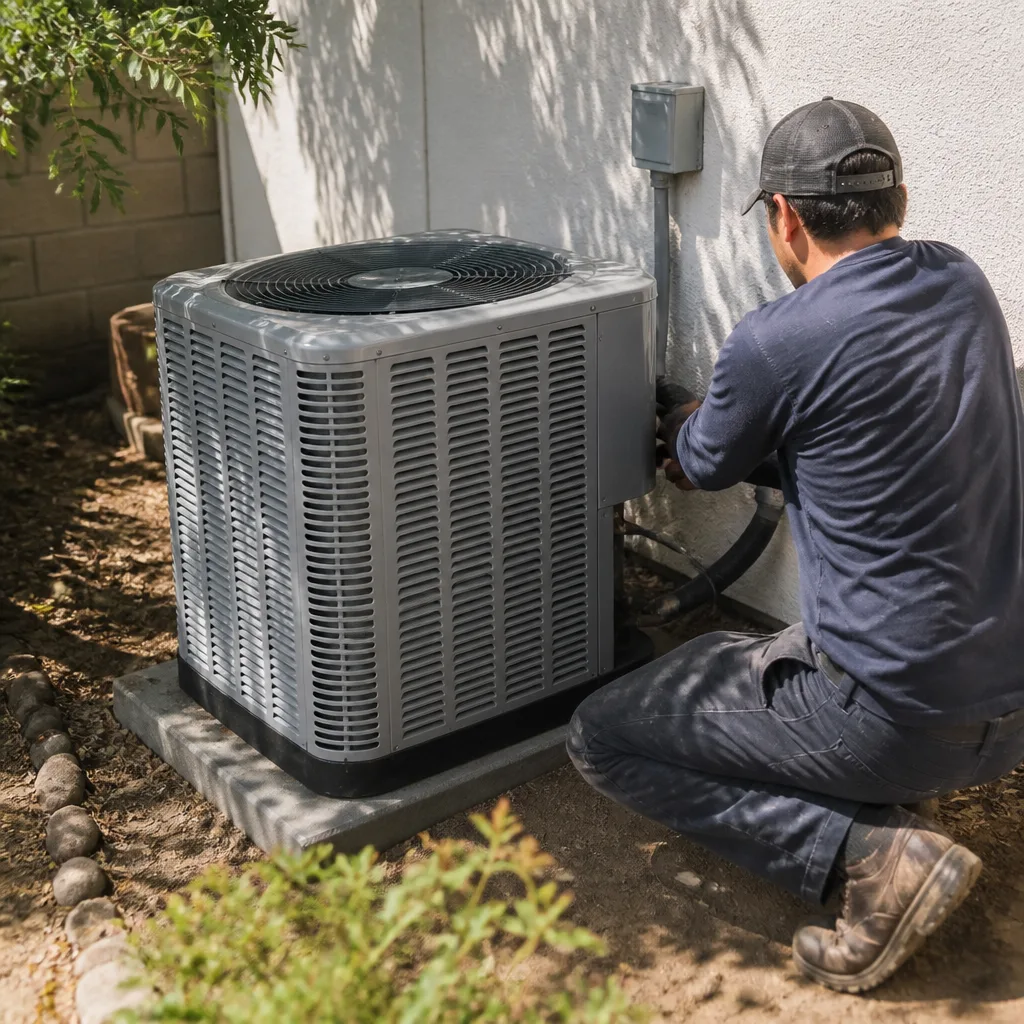
Los Angeles fire season runs roughly June through October, with peak danger in August and September when vegetation is driest and Santa Ana winds arrive. The California Fire Code, specifically Chapter 7A for materials and construction in Wildland-Urban Interface zones, sets the standards that matter for homeowners in Very High Fire Hazard Severity Zones - areas that include substantial portions of the Hollywood Hills, Pacific Palisades, Topanga, Laurel Canyon, and the foothill communities from Pasadena to Glendora.
Under the code, exterior vents must be screened with corrosion-resistant mesh no larger than 1/8 inch. We’ve opened attic vents in Bel Air and found standard 1/4-inch hardware cloth that embers pass through like water through a sieve. Upgrading to 1/8-inch stainless mesh runs $180-$340 for a typical 2,000-square-foot home with six to eight vent locations, including labor. The mesh must be noncombustible - aluminum works, but galvanized steel holds up longer against Santa Monica Mountain salt air.
Eaves and fascia boards present the next vulnerability. The code requires ignition-resistant materials for new construction in VHFHSZ areas, but most Los Angeles homes predate the 2008 adoption of these standards. Wrapping existing eaves with fire-rated fiber-cement soffit panels, typically HardiePanel or equivalent, costs $12-$18 per linear foot installed. For a home with 180 linear feet of eave line, that’s $2,160-$3,240. The alternative - leaving raw wood exposed - is what allowed ember intrusion to destroy homes in the 2017 Thomas Fire and 2018 Woolsey Fire.
Vegetation clearance is where Los Angeles County Fire Department rules intersect with practical construction maintenance. The code requires 100 feet of defensible space in State Responsibility Areas, but even in city jurisdiction, 30 feet of clearance is standard. What homeowners miss: this isn’t just about removing dry brush. It’s about eliminating ladder fuels - vegetation that carries ground fire into tree canopies - and maintaining horizontal spacing between shrubs so flames can’t spread laterally. Professional clearance with chipper disposal runs $800-$1,500 for a 0.25-acre hillside lot in areas like Studio City or the Hollywood Hills. Doing it yourself saves labor but risks incomplete removal of root systems that resprout.
We inspect dozens of homes in fire zones each June. The pattern is consistent: the homes that survive ember attack have tight envelope construction - sealed eaves, screened vents, and exterior walls without gaps where siding meets trim. The ones that don’t often have maintenance deferred for two or three years, until the cumulative gaps create a path for ignition.
Santa Ana Wind Season: September-November, February
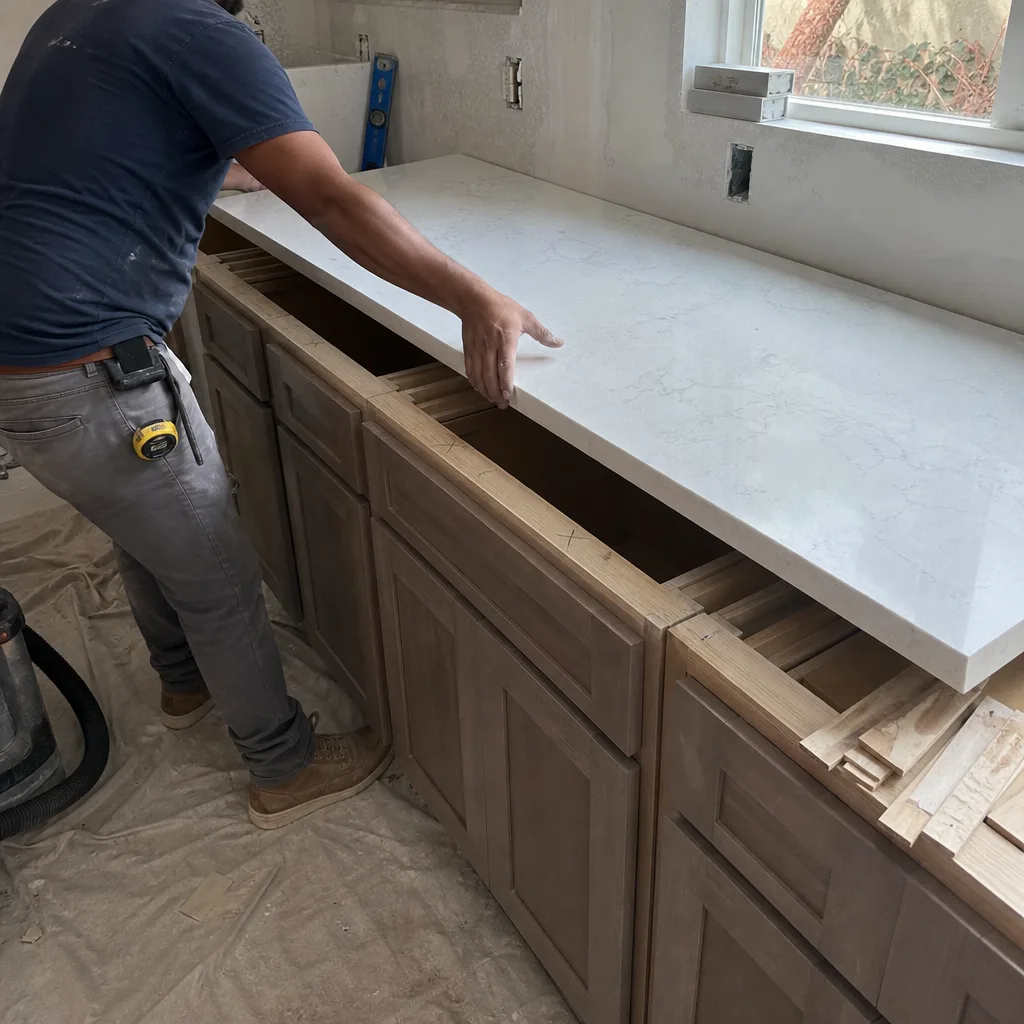
Santa Ana winds in Los Angeles regularly sustain 40-60 mph with gusts to 80 mph, and occasionally higher in canyon corridors. These aren’t hurricane forces, but they’re sustained, dry, and directional - they test every exterior fastening system in ways that gradual weathering doesn’t. We’ve replaced fence panels in Sherman Oaks that blew out because the original contractor used 1-5/8-inch deck screws into end grain, where 3-inch lag bolts with washers were the correct specification for wind load.
Exterior paint adhesion is the first check. Santa Ana winds drive sand and dust at velocities that abrade poorly bonded paint film. Walk the perimeter and look for chalking - a powdery residue on your hand after rubbing the surface - which indicates UV degradation of the acrylic binder. More critically, look for curling at edges and corners, especially on south and west exposures. Paint failure in Los Angeles typically starts at the weep screed, the metal flashing at the base of stucco walls that allows drainage. When paint bridges this gap, water traps behind the stucco and wind-driven rain forces it deeper.
The inspection sequence we use:
- Check weep screed clearance - minimum 4 inches above grade, 2 inches above hardscape. Soil or mulch buildup blocks drainage and wicks water into the wall.
- Probe paint film at window and door corners with a putty knife. Sound adhesion resists; failure lifts easily.
- Inspect caulk joints at all penetrations - hose bibs, electrical boxes, light fixtures. Polyurethane caulk in Los Angeles sun typically lasts 5-7 years; silicone lasts longer but can’t be painted.
- Walk the roof perimeter from the ground with binoculars. Look for lifted shingle tabs, displaced tiles, and debris accumulation at valleys.
Repainting a 2,500-square-foot Los Angeles home with proper prep - pressure washing, spot priming, two coats of elastomeric on stucco or acrylic latex on wood - runs $4,500-$7,500. Touch-up work on failed areas only, which is often sufficient if caught early, runs $800-$1,800.
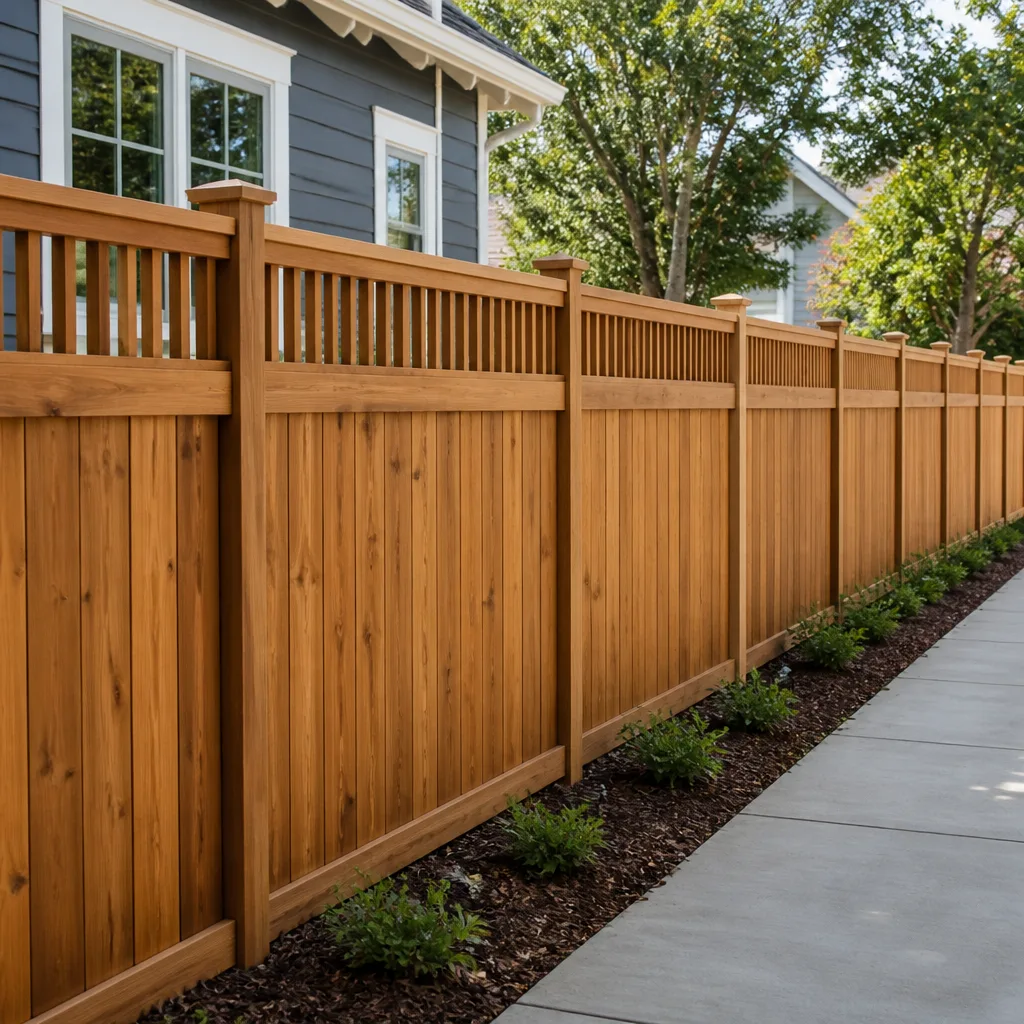
Fence and gate hardware for wind resistance means specific fasteners and hinges. For wood privacy fences in wind-exposed areas like the Santa Monica Mountains or Malibu canyons, we specify Simpson Strong-Tie L70 or L90 angle brackets with 1/2-inch through-bolts, not nails or screws. Gate hinges should be ball-bearing or greaseable barrel hinges rated for the gate weight plus wind load; a 6-foot cedar gate in a 50-mph wind generates substantial moment force at the post. Upgrading hardware on an existing fence runs $350-$800 depending on linear footage and access.
Window and door weatherstripping also degrades faster in Santa Ana conditions - dry air shrinks rubber and vinyl, and wind forces find every gap. Compression-type weatherstripping on a typical home runs $12-$20 per window for materials plus labor; for a home with 15 windows, that’s $180-$300. The test: close a window on a strip of paper. If you can pull it free without tearing, the seal has failed.
Pre-Rainy-Season Waterproofing: October
Los Angeles receives 85-95% of its annual precipitation between November and March, with January typically the wettest month. The Mediterranean climate pattern means rain arrives in concentrated events - atmospheric rivers that drop 2-4 inches in 24 hours, testing every waterproofing system at maximum load. October is the maintenance window; November is when you find out what you missed.
Roof inspection by material type:
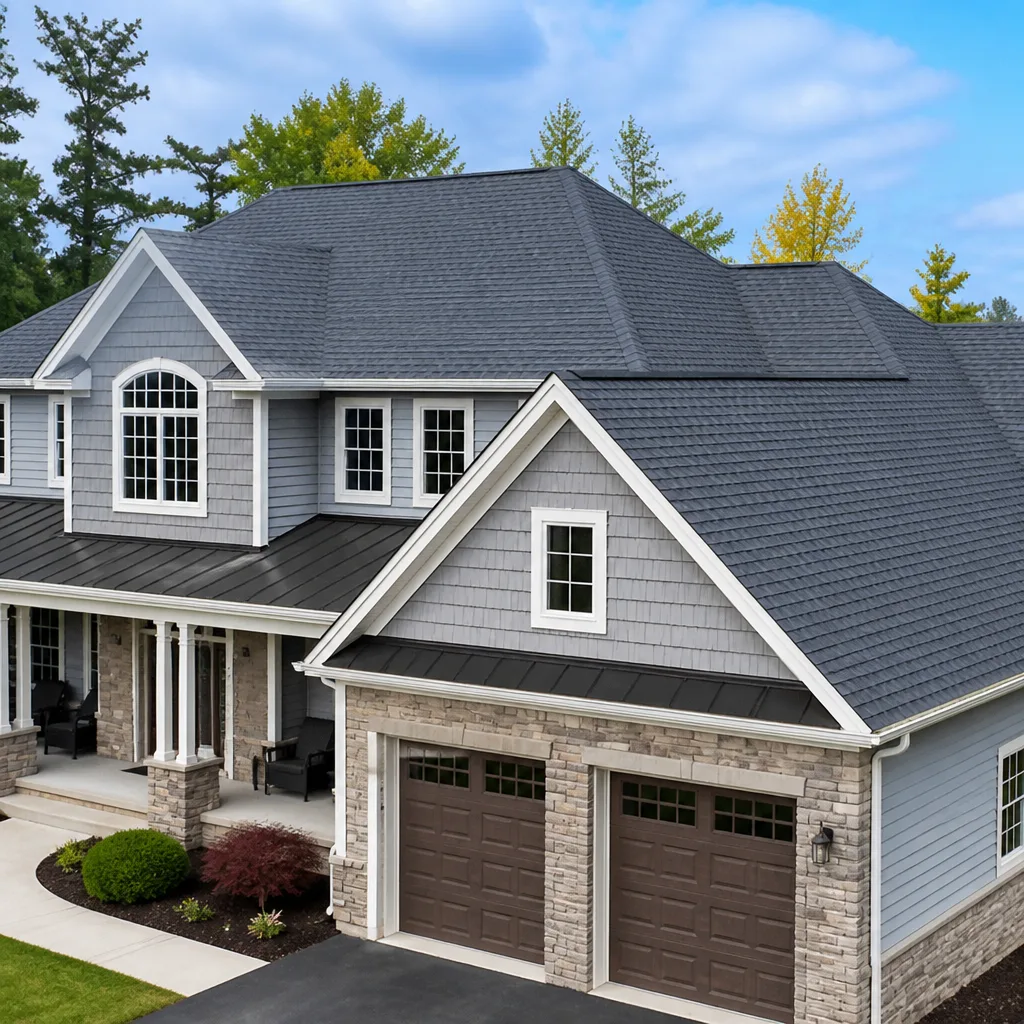
- Composition shingles (GAF Timberline, Owens Corning Duration, etc.): Check for lifted tabs, granule loss exposing fiberglass mat, and cracked shingles at ridge and hip lines. In Los Angeles, composition roofs typically last 20-25 years, but Santa Ana wind events in year 18 can end service life early. A professional inspection with written report runs $150-$300; minor repairs (tab resealing, limited shingle replacement) run $300-$800.
- Clay or concrete tile: Look for broken tiles, slipped tiles exposing underlayment, and failed mortar at ridges. Tile roofs in Pasadena, San Marino, and Hancock Park last 50-plus years, but the underlayment beneath fails in 20-30 years. Spot underlayment repair requires removing tiles, replacing felt or synthetic underlayment, and reinstalling - $450-$1,200 per valley or penetration area.
- Flat roofs (TPO, modified bitumen, built-up): Inspect for ponding water (standing longer than 48 hours), seam separation on TPO, and alligatoring on modified bitumen. TPO membrane, typically 60-mil thickness on residential, should show no pinholes or seam gaps. Professional inspection with infrared moisture scan runs $300-$500; seam repair or patch work runs $400-$1,000.
Gutter capacity matters more in Los Angeles than many homeowners realize because of debris loading. A standard 5-inch K-style gutter handles about 5,500 square feet of roof area at standard rainfall intensity; Los Angeles design storms exceed this in concentrated events. For homes with large roof areas or valley concentrations, 6-inch gutters or additional downspouts may be necessary. Cleaning and inspection runs $150-$300 for a typical single-story home; gutter replacement with leaf screening runs $8-$15 per linear foot.
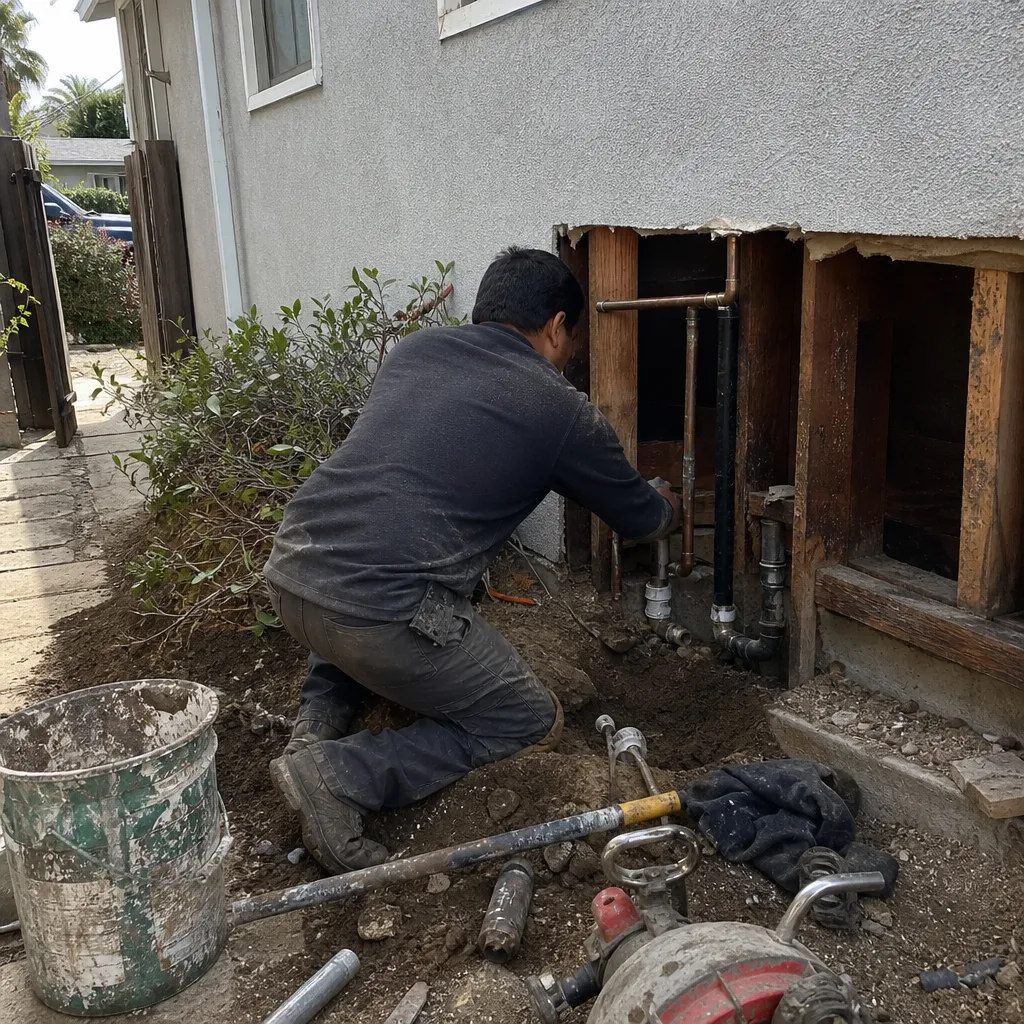
Window flashing inspection requires understanding the three lines of defense: head flashing (the metal cap above the window), sill pan flashing (the sloped receptor below), and jamb flashing (the vertical strips at sides). In stucco construction, the most common Los Angeles wall type, head flashing should be visible as a metal strip emerging from the stucco and lapping over the window flange. If it’s buried in caulk or paint, it can’t drain. We’ve found this condition in homes from Silver Lake to Venice, usually after interior drywall damage appears. Repair requires cutting stucco, installing proper flashing, and patching - $800-$2,500 per window depending on size and stucco match complexity.
Under the Haven Standard, every Roofing in Los Angeles project we price includes a written scope that specifies inspection points, repair methodology, and warranty terms before work begins. No crew starts without this document signed by both parties.
Post-Rain Damage Assessment: March-April
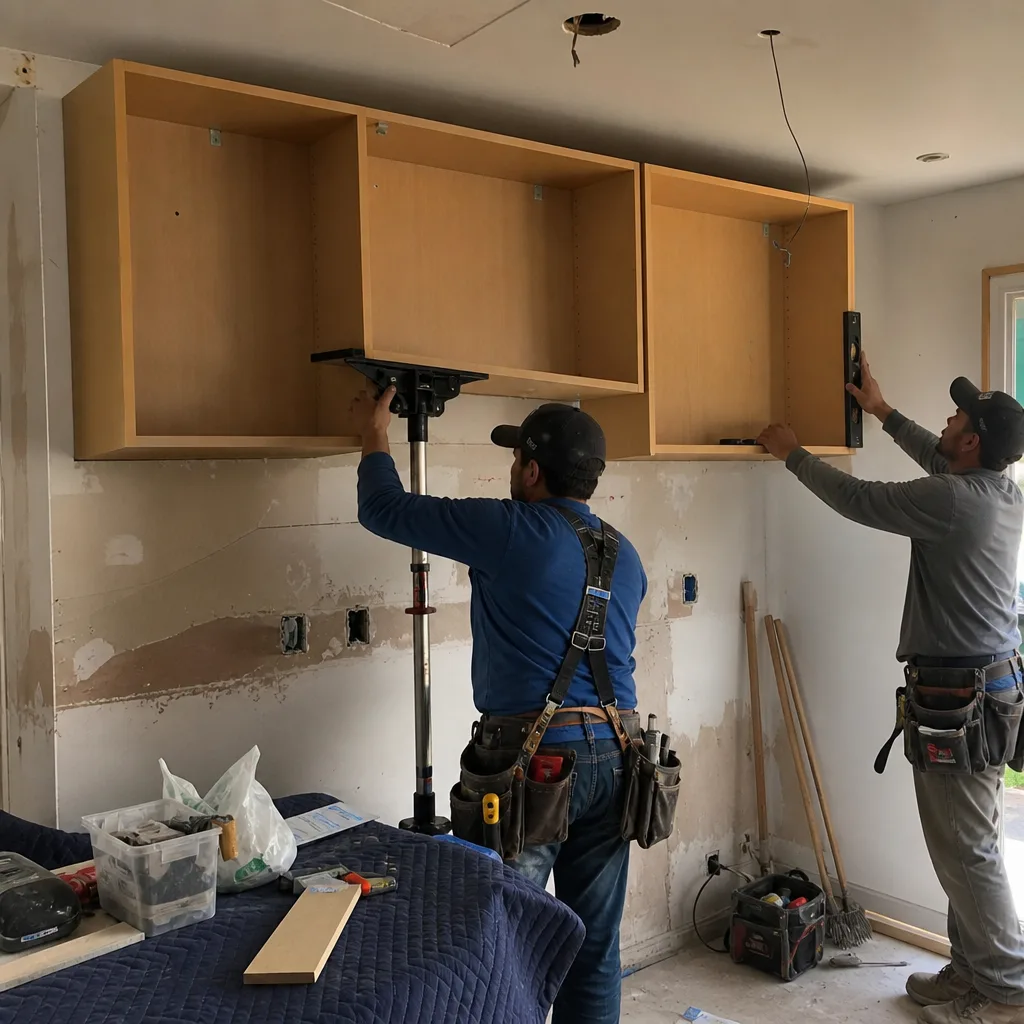
March and April in Los Angeles bring the end of the rainy season and the critical window for damage assessment. The distinction between cosmetic water marking and active moisture intrusion determines whether you’re looking at surface cleaning or structural repair - and the two-week window after discovery determines whether mold remediation becomes a line item.
Surface water marks on stucco appear as darkening that lightens as the wall dries, typically within 48-72 hours of sun exposure. They’re often at the base of walls, below windows, or at penetration points. Active intrusion shows as persistent staining, efflorescence (white mineral deposits), or - in advanced cases - soft stucco that sounds hollow when tapped. The critical test: mark the stain perimeter with pencil and photograph it daily. If it expands after rain stops, water is still moving through the wall.
Interior indicators matter too. Water stains on drywall ceilings that appear yellow-brown and are soft to the touch indicate active or recent flow. Stains that are dry, firm, and uniformly brown are typically old, resolved leaks. The danger zone is the stain that’s dry at the surface but surrounded by musty odor - this indicates cavity moisture that hasn’t reached the interior face yet.
Mold timeline in Los Angeles conditions: with cavity temperatures of 60-75°F and moisture content above 20%, mold colonization begins in 48-72 hours. By two weeks, visible growth is likely; by four weeks, remediation requires containment and air scrubbing per EPA guidelines. The cost differential is stark: addressing a leak at the flashing level ($800-$2,500) versus mold remediation plus structural repair ($5,000-$15,000-plus).
Our documented photo record standard, included on every visit, captures these conditions with dated images that show progression or resolution. Customers in Los Angeles receive this record as a PDF within 24 hours of inspection - evidence they can reference with insurers or future buyers.
Specific post-rain checks:
- Attic inspection for leaks - look for wet insulation, stained sheathing, and daylight through penetrations. Use a flashlight; phone flashlights are insufficient for soffit-area examination.
- Foundation perimeter walk - look for soil erosion, new cracks in concrete or stucco, and standing water against the stem wall. In hillside areas like Echo Park or Mount Washington, check drainage swales for blockage.
- Exterior door and window operation - wood frames swell with moisture; difficulty closing indicates water absorption at the jamb.
- Garage and exterior storage - cardboard boxes on concrete floors wick moisture; check for staining or softening.
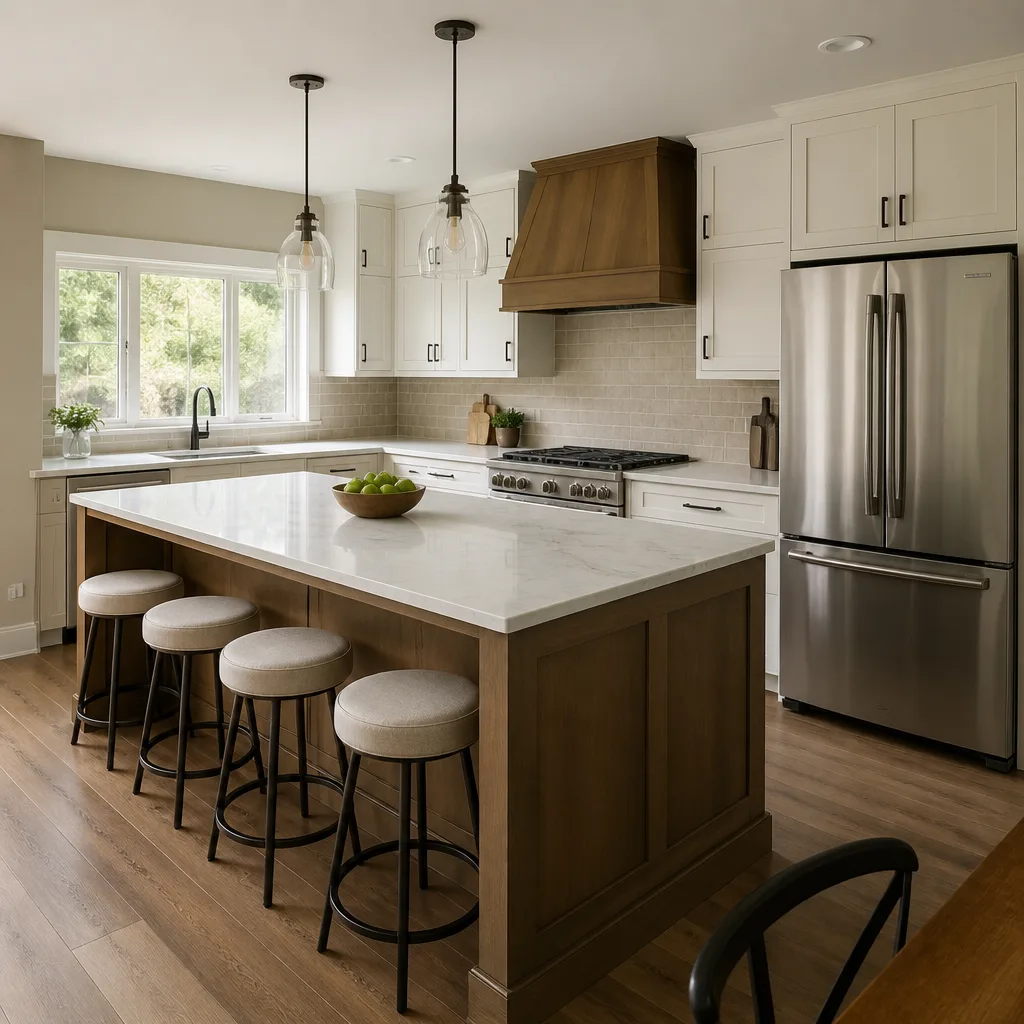
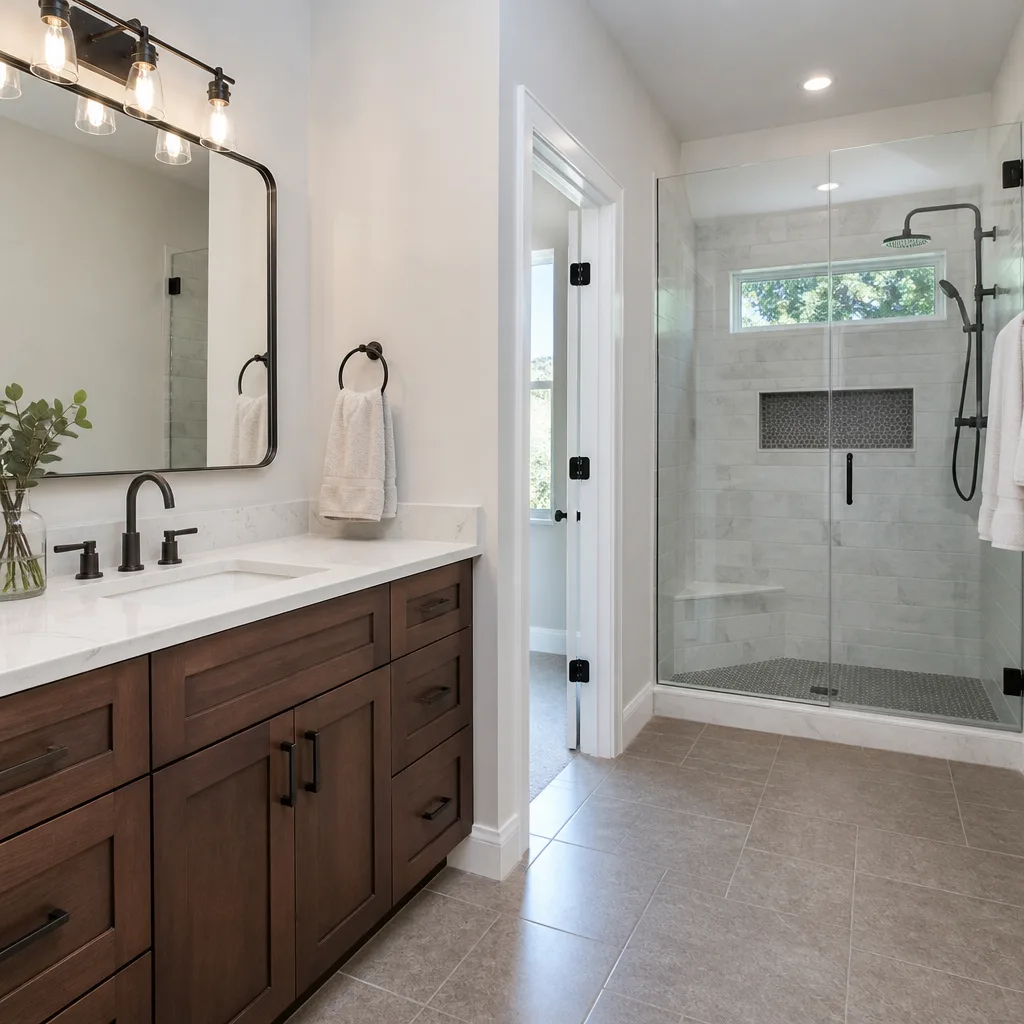
For Kitchen Remodeling in Los Angeles or Bathroom Remodeling in Los Angeles projects, post-rain assessment of adjacent exterior walls is standard in our scope - water intrusion behind a kitchen’s exterior wall can destroy cabinet back panels before the homeowner notices.
Building Your 12-Month Maintenance Budget
Preventive maintenance spending in Los Angeles, based on our project pricing since 2007, follows a predictable annual pattern. The table below shows task categories with cost ranges and recommended timing:
| Task Category | Timing | Cost Range | Reactive Repair Cost if Deferred |
|---|---|---|---|
| Fire-season hardening (vents, eaves, clearance) | June-July | $800-$2,500 | $4,000-$25,000 (fire damage, smoke remediation) |
| Santa Ana wind inspection and repair | September-November, February | $350-$1,500 | $1,200-$5,000 (fence replacement, window damage, paint failure remediation) |
| Pre-rain roof and gutter service | October | $300-$1,200 | $2,500-$8,000 (interior water damage, mold remediation) |
| Post-rain assessment and minor repair | March-April | $200-$800 | $1,500-$6,000 (structural repair, extensive mold) |
| Annual total, preventive | - | $1,650-$6,000 | $9,200-$44,000 (combined reactive) |
These ranges assume a typical Los Angeles single-family home of 1,800-2,800 square feet, built 1940-1990, with standard materials. Newer homes with composite siding and modern roofing may run lower; historic homes with original clay tile, wood windows, or balloon framing may run higher. Hillside construction with retaining walls, extensive hardscape, or large roof areas adds proportionally.
The budget framework we recommend: set aside 1-1.5% of home value annually for maintenance in Los Angeles conditions. For a $1.2 million home - the median for many neighborhoods in 2024-2025 - that’s $12,000-$18,000. Not all is construction; HVAC, plumbing, and electrical each claim portions. But $1,650-$6,000 for the exterior and structural cycle described here is consistent with preserving value in a market where deferred maintenance shows in inspection reports and price negotiations.
Under Clause 1 of the Haven Standard, every price we quote is written before work starts - no estimate ranges that balloon, no “time and materials” without a not-to-exceed cap. This applies to maintenance work as fully as to Kitchen Remodeling in Los Angeles or full additions.
Common Mistakes to Avoid
- Waiting for visible interior damage before inspecting. By the time drywall stains appear in Los Angeles homes, water has typically been migrating through wall cavities for weeks or months. The repair cost triples.
- Using standard hardware cloth for vent screening in fire zones. 1/4-inch mesh meets old codes but not current California Fire Code Chapter 7A. Ember intrusion through attic vents was a primary cause of home loss in the 2025 Palisades Fire.
- Pressure washing stucco at close range. High-pressure water drives moisture through the porous cement layer and damages the water-resistant barrier behind. Soft washing with appropriate biocide is the correct method; many Los Angeles homeowners learn this after the damage is done.
- Ignoring flat roof ponding because “it doesn’t rain much.” Those 60-90 storm days concentrate all annual rainfall. A flat roof with chronic ponding fails fast when atmospheric rivers arrive.
- Planting vegetation without clearance calculations. That jacaranda sapling planted 8 feet from the house becomes a 30-foot canopy in ten years, dropping debris into gutters and providing ladder fuel. Plan for mature dimensions, not nursery size.
- Deferring maintenance after a dry winter. Los Angeles drought years create complacency; the next wet year exposes every deferred gap. Maintenance schedules should run on calendar, not weather.
- Accepting verbal estimates for structural or waterproofing work. California law requires written contracts for home improvement over $500, but the practical protection is the detailed scope that defines what’s included, what’s excluded, and what triggers a change order.
When to Call a Professional
Some seasonal maintenance is within capable homeowner reach: gutter cleaning on single-story homes, vegetation clearance on flat lots, paint inspection from the ground. But specific conditions warrant professional assessment - not because homeowners can’t learn, but because the cost of error exceeds the cost of expertise.
Call a licensed contractor when you find: roof leaks or suspected leaks (working on roofs involves fall risk and requires proper tie-off); stucco cracks wider than 1/8 inch that show moisture or movement; electrical service panels or wiring in wet locations; or any condition where California Building Code compliance is uncertain, such as fire-hardening modifications in VHFHSZ areas. For Roofing in Los Angeles and exterior waterproofing, professional inspection includes documentation that supports insurance claims and future sale disclosures.
Rowan Construction Group Los Angeles offers free estimates in Los Angeles - call (213) 652-7670. Every estimate includes a written scope, flat price, and documented photo record. We also provide free second opinions on any competitor’s written estimate, reviewed line by line at no charge.
Frequently Asked Questions
Annual preventive maintenance for exterior systems in Los Angeles typically runs $1,650-$6,000, depending on home size, age, and hillside location. This covers fire-hardening, wind inspection, roof and gutter service, and post-rain assessment. Deferred maintenance that becomes reactive repair averages $9,200-$44,000 for the same systems. Call (213) 652-7670 for a written estimate specific to your property - estimates are free.
Roof leaks into wall cavities, because water migration is hidden and mold remediation adds $5,000-$15,000 to the structural repair. In fire zones, ember intrusion through unscreened vents can cause total loss. Both conditions are preventable with $300-$1,200 annual maintenance.
Most fire-hardening work - vent screening, eave wrapping, vegetation clearance - does not require permits in Los Angeles. Eave reconstruction that alters roofline or structural members may require LADBS or county review. We pull permits when required and include inspection scheduling in our scope; the permit cost is listed in the written price before work starts.
Cal Fire maintains the Fire Hazard Severity Zone map, searchable by address. In Los Angeles County, VHFHSZ areas include the Santa Monica Mountains, San Gabriel foothills, and portions of the Verdugo Hills. If your address is in these zones, Chapter 7A materials standards apply to any exterior modification, and vegetation clearance rules are enforced by local fire departments with inspection authority.
No. Under the Haven Standard, the written price is fixed for the defined scope. If conditions discovered during work require additional work - rot behind stucco, for example, not visible at inspection - a change order with specific description and price is presented for signature before that work proceeds. This discipline has kept Rowan projects within a few percent of the agreed price across 4,000-plus jobs since 2007.
A comprehensive exterior inspection for a typical Los Angeles home takes 90-120 minutes, including roof, attic, perimeter, and interior spot checks. The documented photo record is delivered within 24 hours. For homes with ADUs, extensive hardscape, or hillside construction, allow 2-3 hours.
The Bottom Line
Los Angeles weather doesn’t announce itself with snow or hurricanes, but it concentrates damage in windows that reward preparation and punish delay. The homeowner who screens vents in June, inspects flashing in October, and assesses walls in March spends predictably and sleeps through storms. The one who waits for visible damage spends reactively, often at multiples of the preventive cost, and learns the anatomy of their walls through emergency repair. The difference is calendar discipline, not climate luck. Budget $1,650-$6,000 annually, execute each window’s tasks, and keep the documentation - the photo record, the written scope, the signed change order - that proves the work was done when it mattered.
Written by Grant Rowan, Owner at Rowan Construction Group Los Angeles, serving Los Angeles since 2007.